I've stood in front of a gelato counter and an ice cream freezer, genuinely unsure what to pick. Most people have. Gelato vs ice cream sounds simple, but the differences go deeper than you'd think.
In this blog, I'll cover what each dessert actually is, how ingredients and texture set them apart, and a full breakdown of nutrition, flavor, and serving tips.
I've researched this topic carefully so you don't have to. With 10+ years of writing about food, I'll give you clear, honest answers in simple words with no confusion.
By the end, you'll know exactly which one fits your taste and when to choose it.
Overview of Frozen Desserts
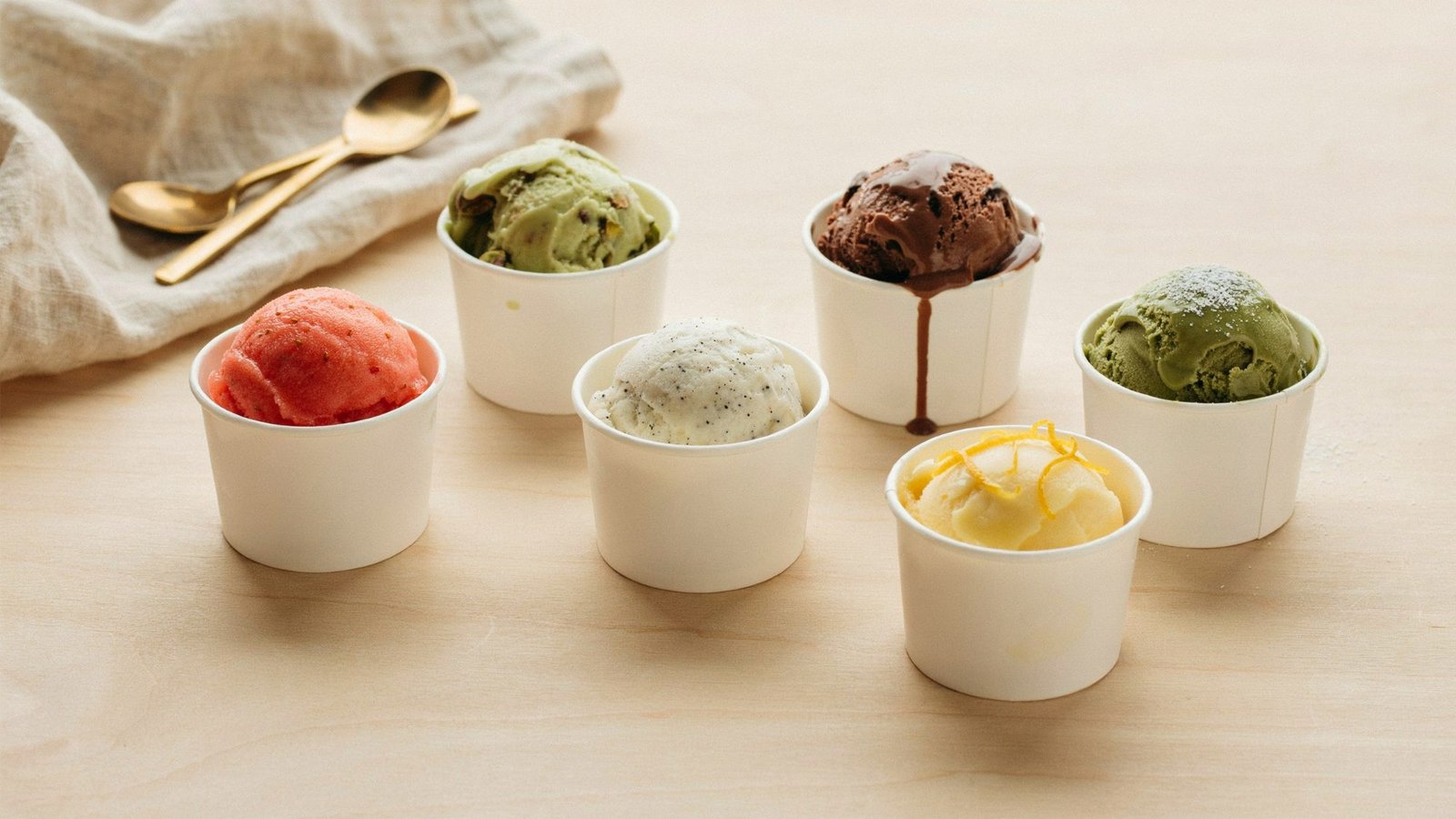
Frozen desserts look alike but differ in ingredients, texture, and how they're made. Not all frozen desserts are the same, and those differences change everything from taste to how each one feels in your mouth.
Fat content, air, and temperature are the three things that shape texture and flavor the most. Gelato comes from Italy, ice cream is loved worldwide, and frozen custard is richer than both.
Each has its own recipe and result. If you change the cream-to-milk ratio or churning speed, the final product changes completely. Ingredients are not just a list. They decide the whole experience.
What Is Ice Cream?
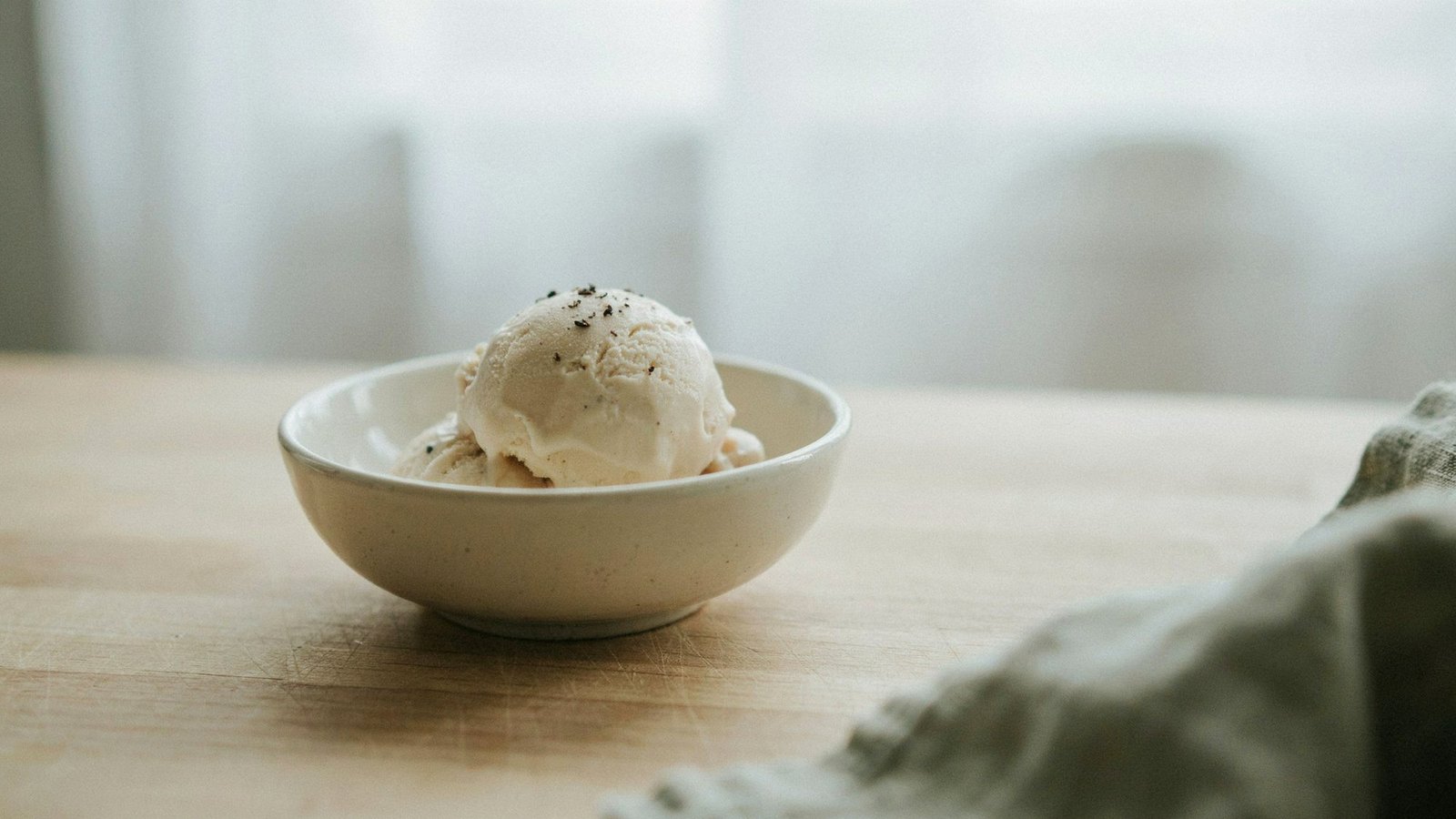
Ice cream is a classic frozen dessert made with cream, milk, and sugar, known for its light and airy texture.
Ingredients (Cream, Milk, Sugar, Eggs)
Ice cream is made with heavy cream, whole milk, sugar, and sometimes egg yolks. The cream builds a rich, smooth base.
Each ingredient plays a direct role in how the final product tastes and feels. Without the right balance, the texture changes completely.
FDA Definition and Fat Content
The FDA requires ice cream to contain at least 10% milkfat. Premium brands can push that number up to 16% or more.
That fat level is what gives ice cream its thick, creamy feel. More fat means a richer and heavier scoop.
Churning Process and Texture
Ice cream is churned at a fast speed, which whips a large amount of air into the mix. This air is called overrun and it makes ice cream feel light and fluffy.
Less air means a denser product, but ice cream leans into that airy quality. It is stored at around -15°C to stay firm and scoopable.
What Is Gelato?
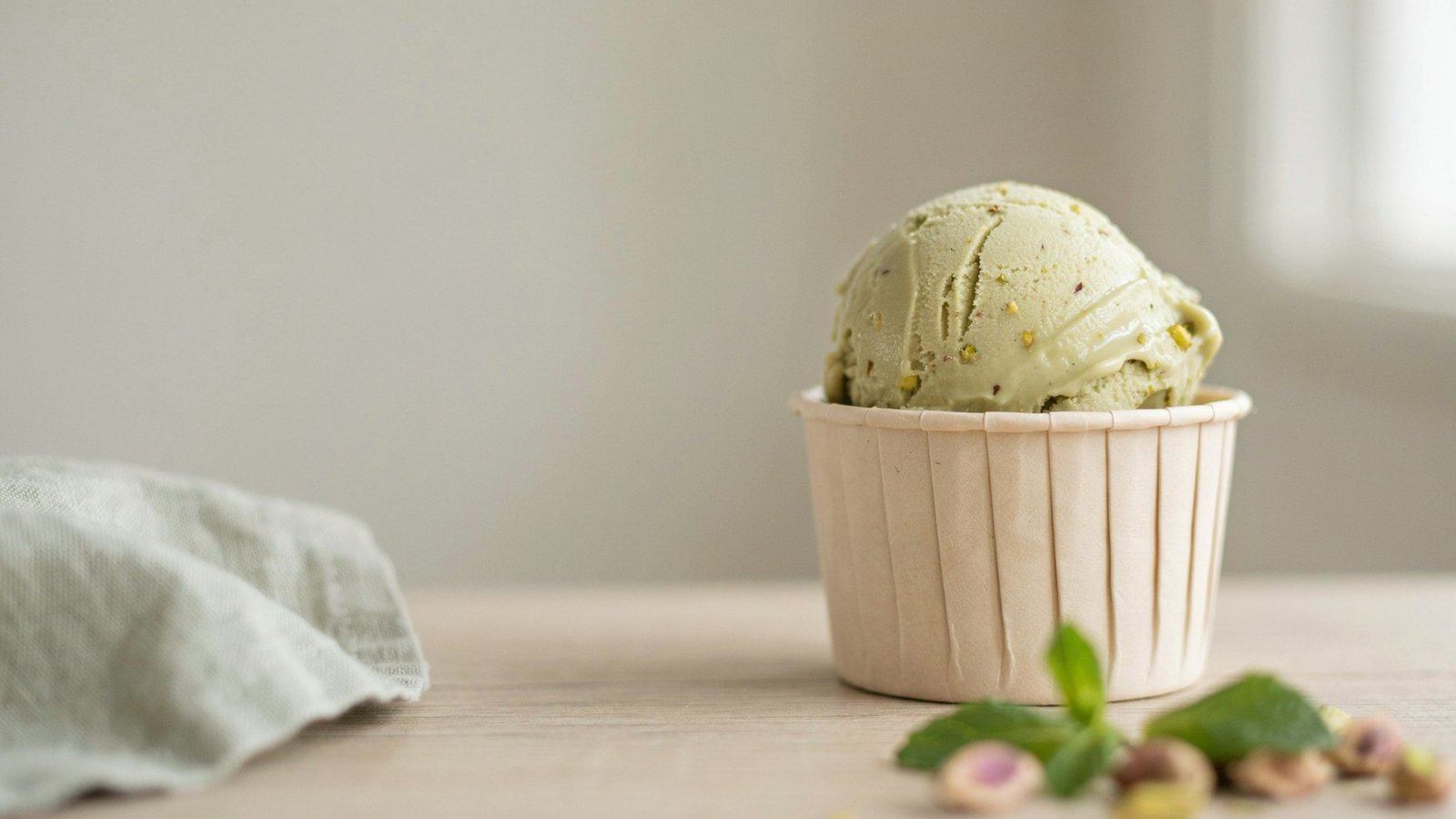
Gelato is Italy's version of ice cream, denser, creamier, and more flavorful with less fat and less air.
Origin and Meaning of Gelato
Gelato comes from Italy and the word simply means "frozen" in Italian. It has been made there for centuries before spreading across the rest of the world.
Over time it became a favorite in cafes and dessert shops globally. Today it is recognized as one of Italy's most loved food exports.
Ingredients and Lower Fat Content
Gelato uses more milk than cream, which brings the fat content down to around 4 to 9%. It still includes sugar but skips or greatly reduces heavy cream in the recipe.
This lower fat level changes how the flavor comes through. You taste the actual ingredients more clearly with every spoonful.
Slow Churning and Density
Gelato is churned at a much slower speed than ice cream, which means less air gets mixed into the base. Less air makes the final product denser, heavier, and more compact.
This is why a single scoop of gelato feels more filling than a scoop of ice cream. The density also makes the flavor hit stronger and last longer.
Gelato vs Ice Cream Key Differences
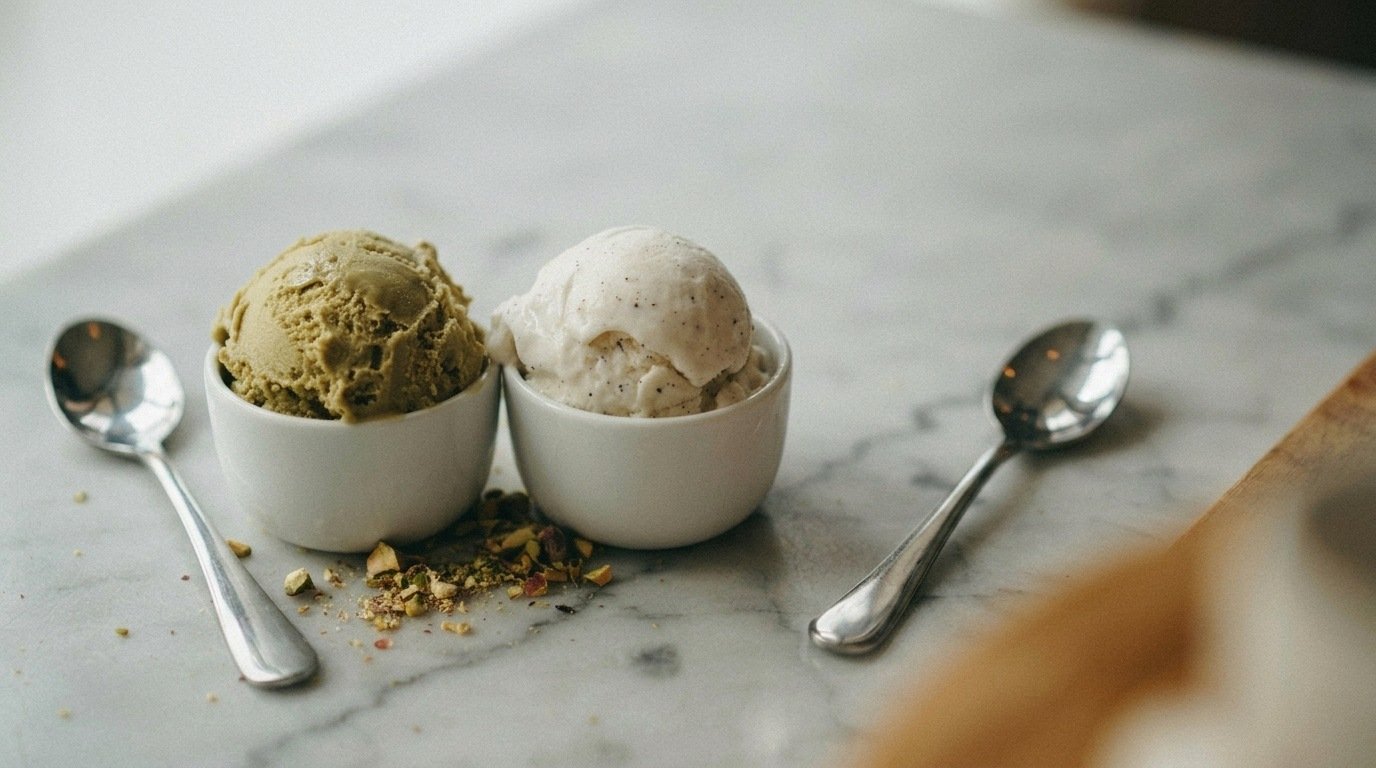
Here is a side-by-side look at what actually separates gelato from ice cream.
| Feature | Ice Cream | Gelato |
| Base | Heavy cream + milk | Mostly milk |
| Eggs | Often included | Rarely used |
| Sugar | Standard amount | Similar or slightly less |
| Fat Content | 10–16% fat | 4–9% fat |
| Air Content (Overrun) | Up to 50% air | Around 20–30% air |
| Serving Temperature | Around -15°C (colder, more frozen) | Around -11°C (warmer, softer) |
| Texture | Light, fluffy, melts fast | Dense, silky, melts slowly |
| Flavor Intensity | Milder, creamier taste due to fat & air | Stronger, cleaner flavor with less fat and air |
Texture, Taste & Nutrition Breakdown
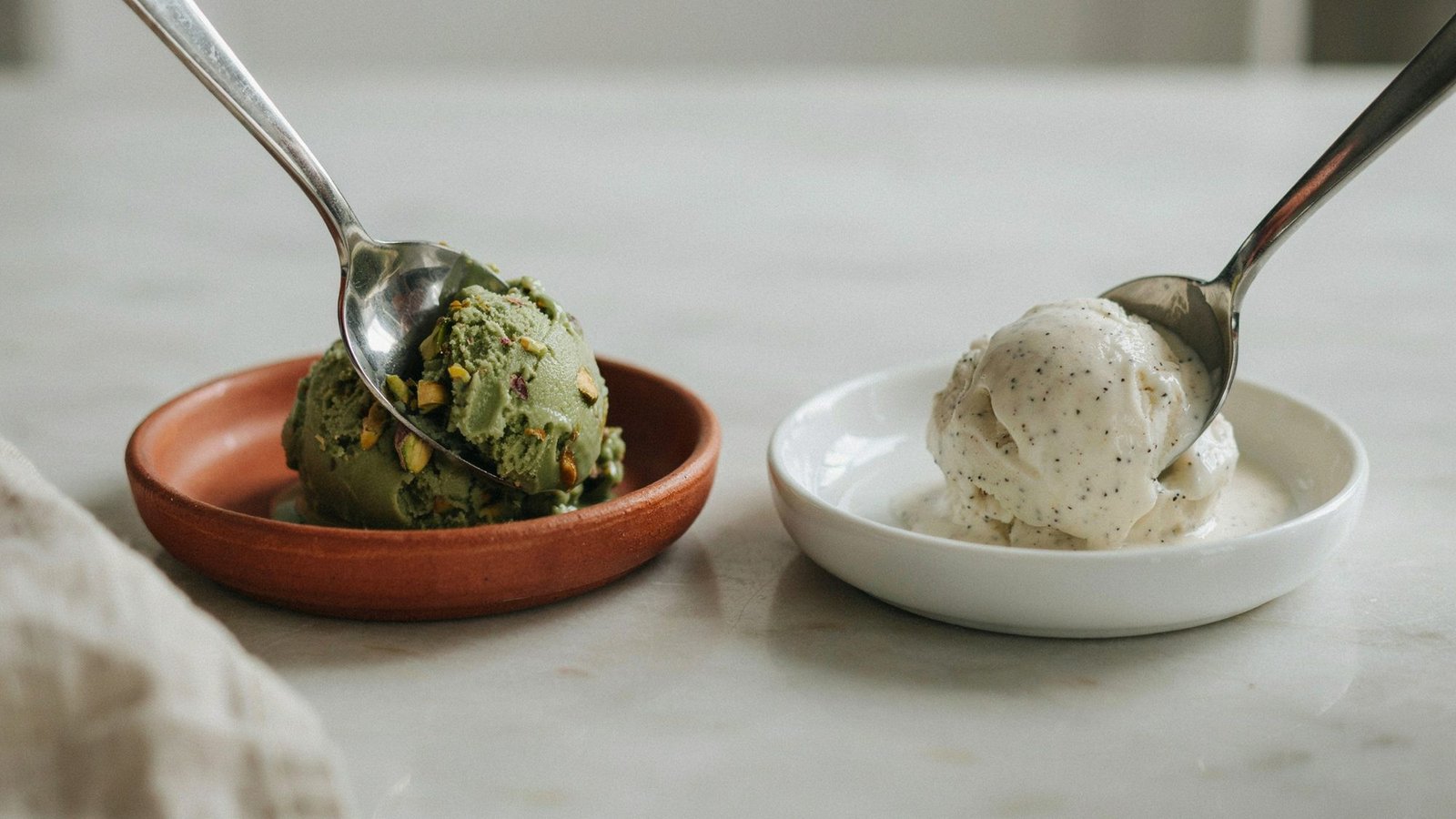
A quick look at how gelato and ice cream compare in taste and nutritional value.
Why Gelato Tastes More Intense
Less fat means your taste buds get direct contact with the flavor. There's nothing thick or heavy blocking it. Gelato tastes more like the actual fruit, chocolate, or nut used.
Why Ice Cream Feels Lighter
More air makes ice cream feel soft and fluffy. The higher fat content gives a richer mouthfeel. It's a comfortable, familiar texture most people grew up with.
Nutritional Comparison (Fat and Calories)
A typical serving of ice cream (half cup) has around 130 to 200 calories and 7 to 11g of fat. Gelato has around 90 to 150 calories and 3 to 6g of fat per half cup.
Gelato is slightly lower in fat, but portion sizes can vary. Always check the label.
Frozen Custard Explained (Bonus Comparison)
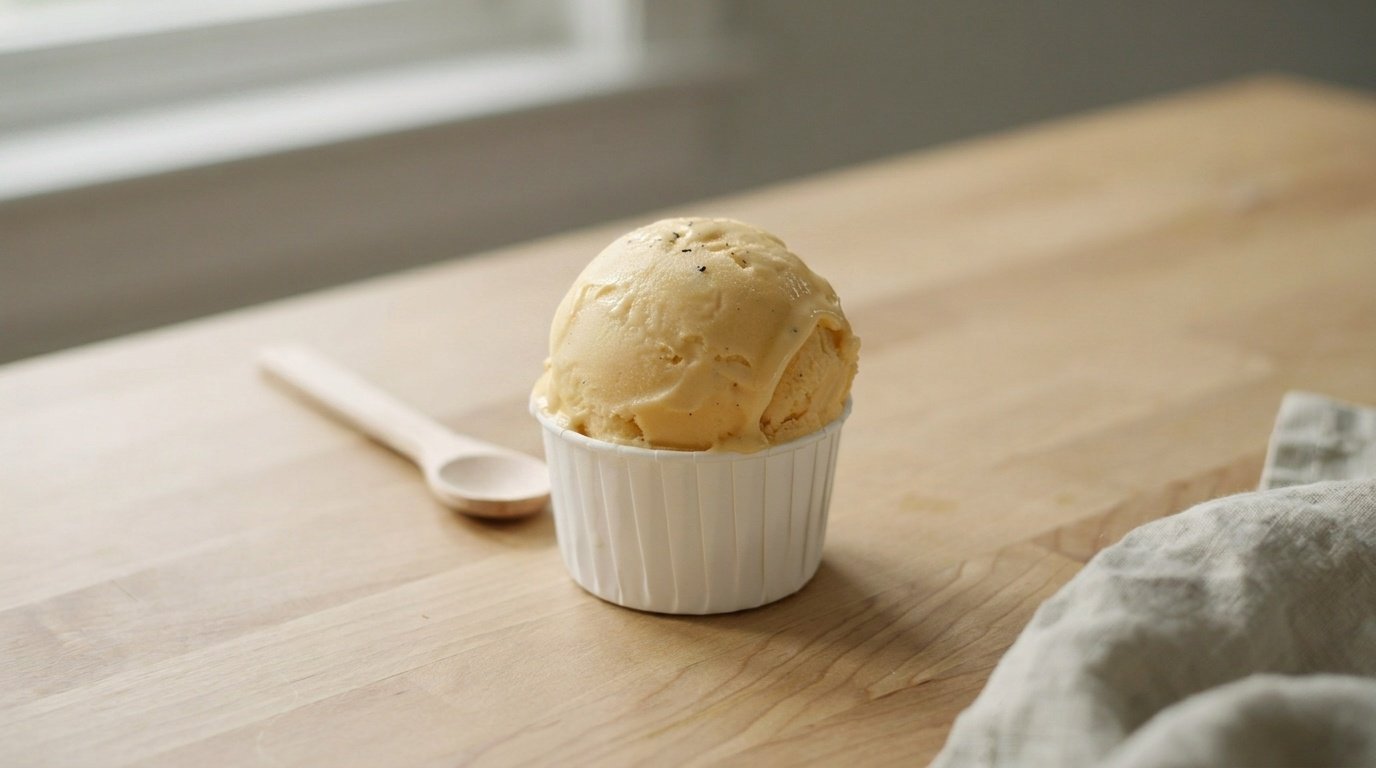
Frozen custard adds egg yolks to the mix, making it thicker and richer than both gelato and ice cream.
Egg Yolk Content and Richness
Frozen custard must contain at least 1.4% egg yolk by weight, according to the FDA. This gives it a very thick, pudding-like texture that is much richer than standard ice cream.
How It Differs From Gelato and Ice Cream
Custard is denser than ice cream but not as dense as gelato. It has more fat than gelato. It's also churned slowly like gelato but uses significantly more egg.
Think of it as a middle ground with its own strong identity.
Tips for Choosing Between Gelato and Ice Cream
Simple tips to help you pick the right frozen dessert for the right moment.
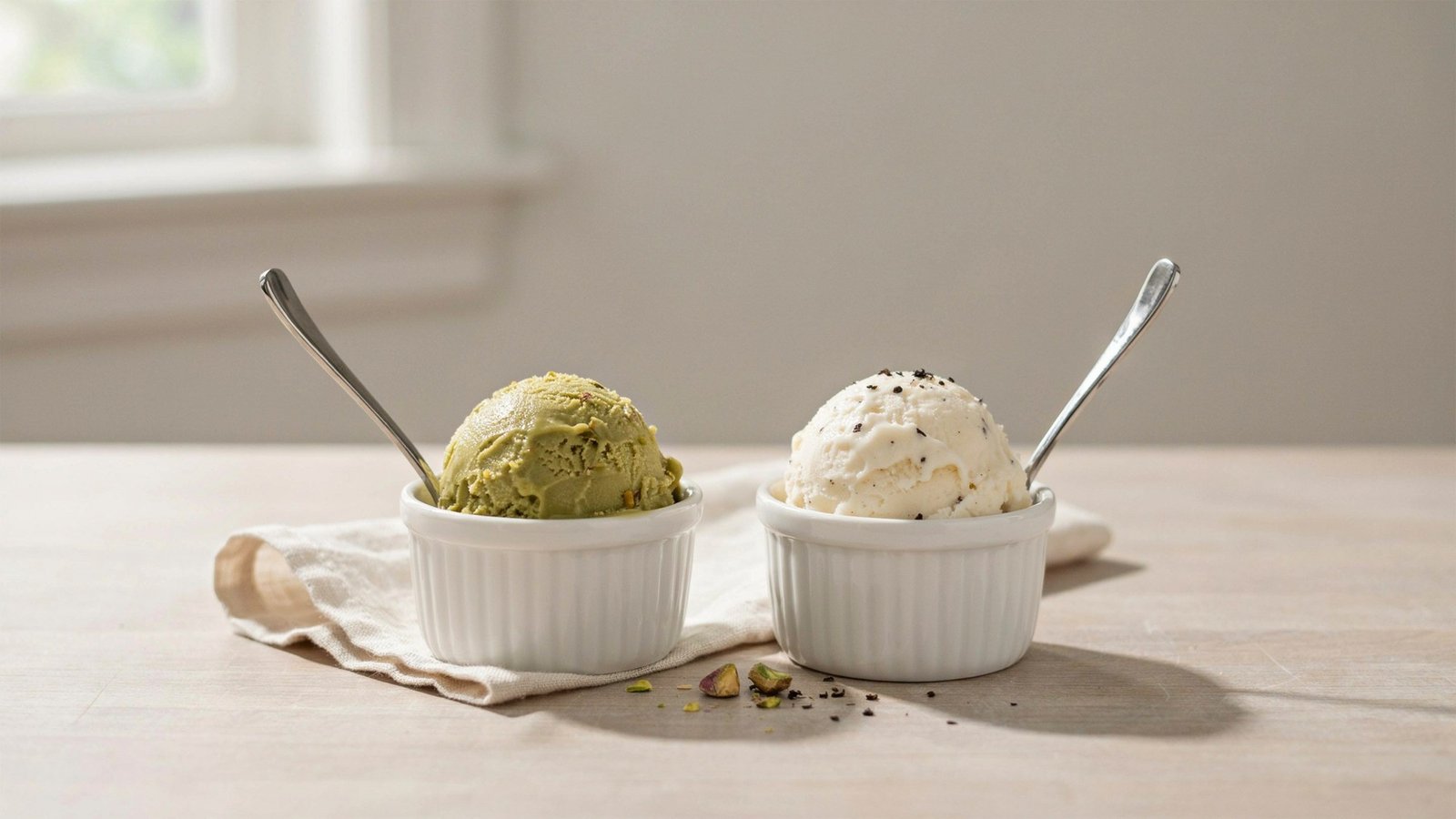
- Go for gelato when you want bold, intense flavors like pistachio or dark chocolate. Its dense texture lets every flavor hit harder.
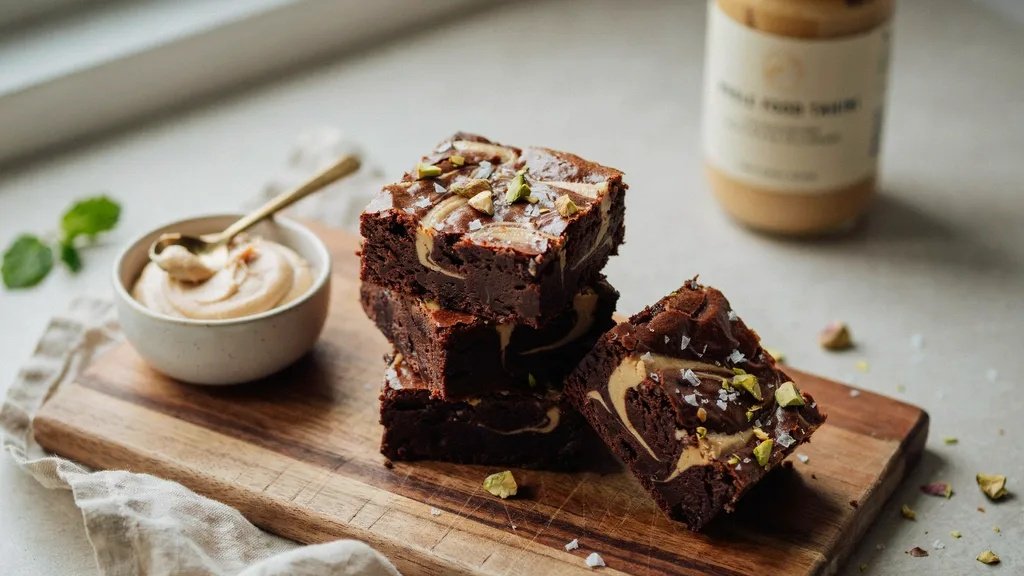
- Pick ice cream when you want something light and familiar. It pairs well with pie, cones, or brownies and melts softly in your mouth.
- Watch your portions if calories matter to you. Gelato has less fat, but a bigger scoop can still match ice cream's calorie count easily.
- Serve both at the right temperature. Gelato gets hard when too cold. Ice cream melts fast when too warm. Temperature affects taste more than most people realize.
- Try both side by side before picking a favorite. Everyone's preference is different, and the only real way to know is to taste them yourself.
Conclusion
Honestly, I used to think gelato was just fancy ice cream. Now I know better, and I hope you do too. Gelato vs ice cream is a real difference in ingredients, texture, fat, and flavor.
Neither is better. They just serve different moments. Love bold flavor? Go gelato. Want something light and airy? Ice cream wins.
Try both, see what fits your taste. If this helped, drop a comment below or share it with a friend who loves frozen desserts!
Frequently Asked Questions
Is gelato healthier than ice cream?
Gelato generally has less fat than ice cream. But calories can be similar depending on the serving size and ingredients used.
Why does gelato taste stronger than ice cream?
Gelato has less fat and less air. This lets the flavors come through more directly without being softened or diluted.
Can people who are lactose intolerant eat gelato?
Gelato still contains dairy, so it is not safe for most lactose intolerant people. Some shops offer dairy-free versions made with almond or oat milk.
What is overrun in ice cream?
Overrun is the amount of air mixed into ice cream during churning. Ice cream can have up to 50% overrun, while gelato stays around 20 to 30%.
Is frozen custard the same as gelato?
No. Frozen custard contains egg yolks and has a thicker, richer texture. Gelato uses mostly milk and has a denser but less eggy consistency.