I love a warm bowl of vegetable miso soup on a cold day. It is simple, filling, and good for your gut. This blog covers everything you need to know about making it at home.
I will walk you through the key ingredients, a step-by-step cooking method, health benefits, and fun variations you can try.
With over five years of cooking plant-based meals, I know what works and what does not.
Whether you are new to miso soup or want to improve your recipe, this guide will help. You will get restaurant-style results without the stress.
Why Vegetable Miso Soup Is the Latest Healthy Vegan Trend
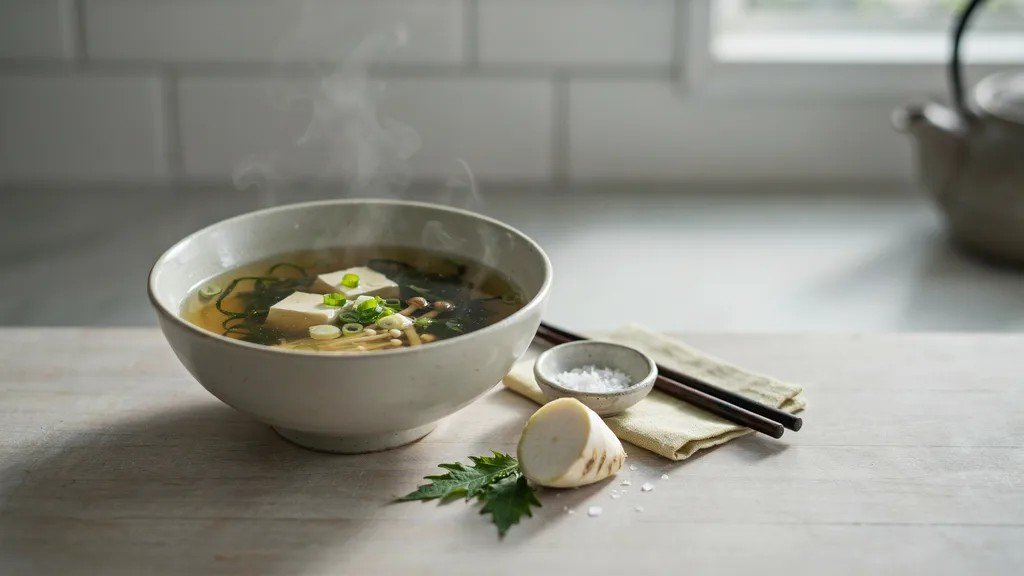
This simple soup is winning hearts in plant-based kitchens around the world. Vegetable miso soup is everywhere right now, and for good reason.
More people are moving toward clean eating. They want food that feels good and does good. Miso soup fits right into that lifestyle.
It supports gut health, keeps calories low, and still tastes rich and satisfying. It works well in busy routines too. You can make it in under 30 minutes with easy-to-find ingredients.
The flavor tastes like something from a proper restaurant. It supports gut health, fits clean eating goals, and delivers deep savory flavor simply.
Key Ingredients for Vegetable Miso Soup
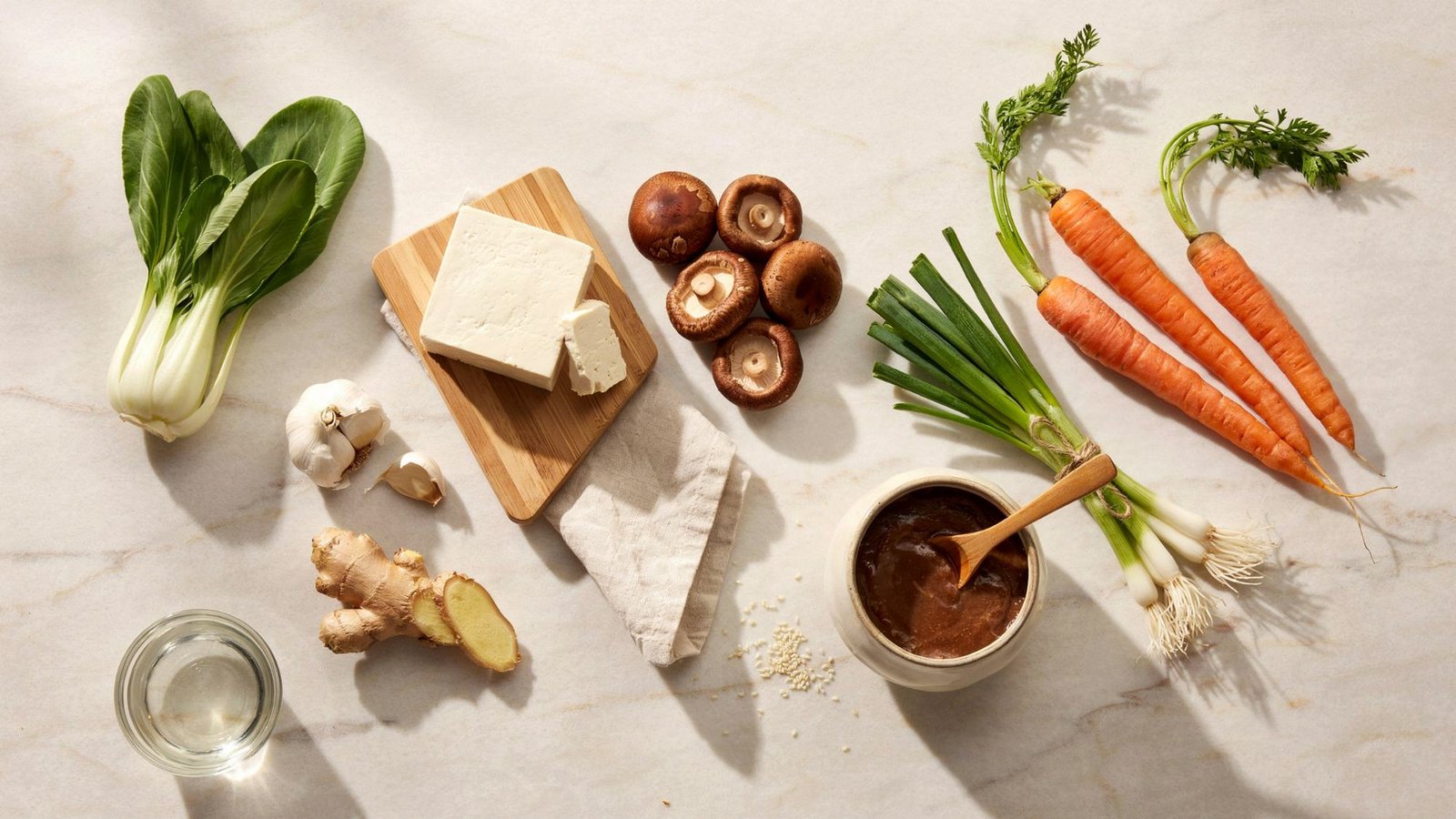
The right ingredients make all the difference in flavor and nutrition.
Important Vegetables
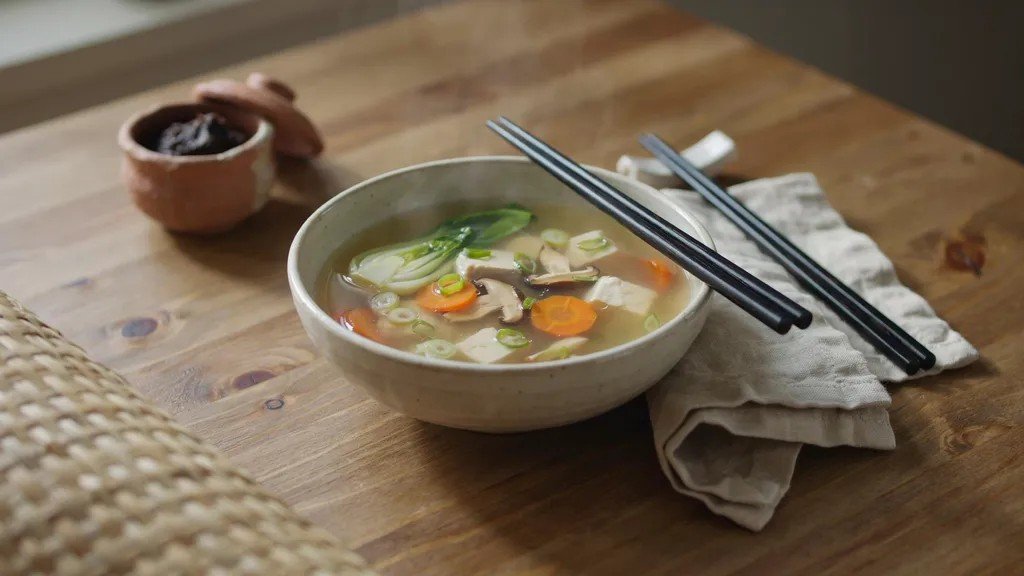
You need vegetables that hold up in broth. Bok choy, mushrooms, and carrots are the top picks. They add color, texture, and nutrients.
Mushrooms bring a meaty bite. Carrots add a mild sweetness. Bok choy softens perfectly without going mushy.
Flavor Base
Start with garlic, ginger, and green onions. These three do a lot of work. Garlic adds depth. Ginger brings warmth. Green onions add a fresh, mild kick at the end.
Miso Paste
This is the soul of the soup. White miso paste is mild and slightly sweet. Red miso is stronger and saltier. Both are packed with probiotics and give that classic umami flavor. Use about two tablespoons per serving.
Optional Upgrades
Want more from your bowl?
Add:
- Soft or firm tofu for protein
- Rice noodles or soba for a filling meal
- A small spoon of gochujang for heat
Step-by-Step Cooking Method for Perfect Miso Soup
Follow these simple steps to get the best texture and flavor every time.
Step 1: Prepare Your Vegetables
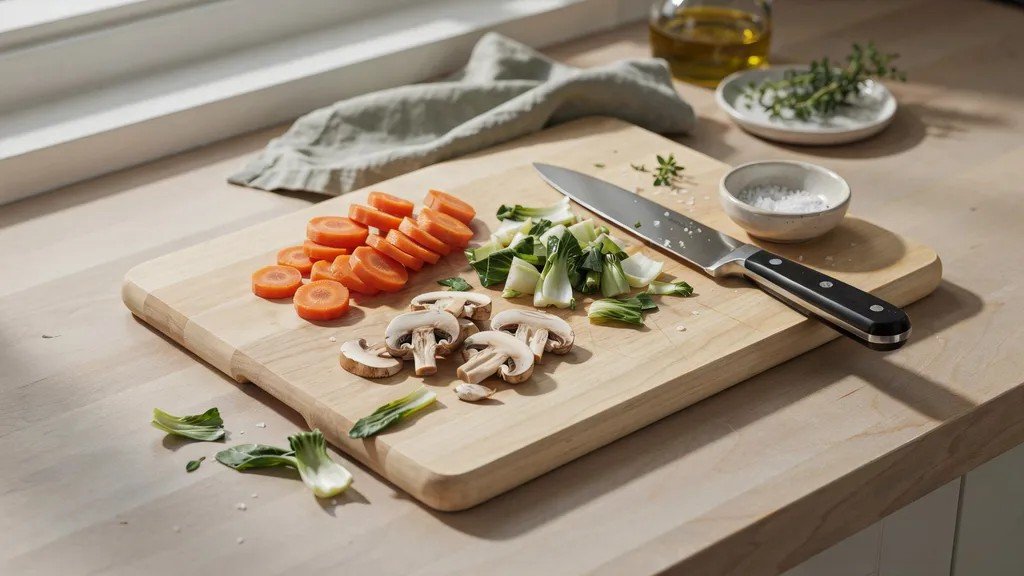
Slice carrots thin so they cook fast. Cut bok choy into halves or quarters. Tear mushrooms by hand or slice them thick. Keep sizes similar so everything cooks at the same rate.
Step 2: Build the Broth

Heat a little sesame oil in a pot. Add garlic and ginger. Cook for one minute on medium heat. Pour in vegetable broth, about four cups. Let it simmer for five minutes. This builds a strong base.
Step 3: Add the Miso Paste

Do not boil miso. Boiling kills the good bacteria. Instead, turn off the heat or lower it to a gentle simmer. Scoop miso paste into a small bowl.
Add a ladle of hot broth and whisk until smooth. Pour it back into the pot and stir well.
Step 4: Cook the Vegetables
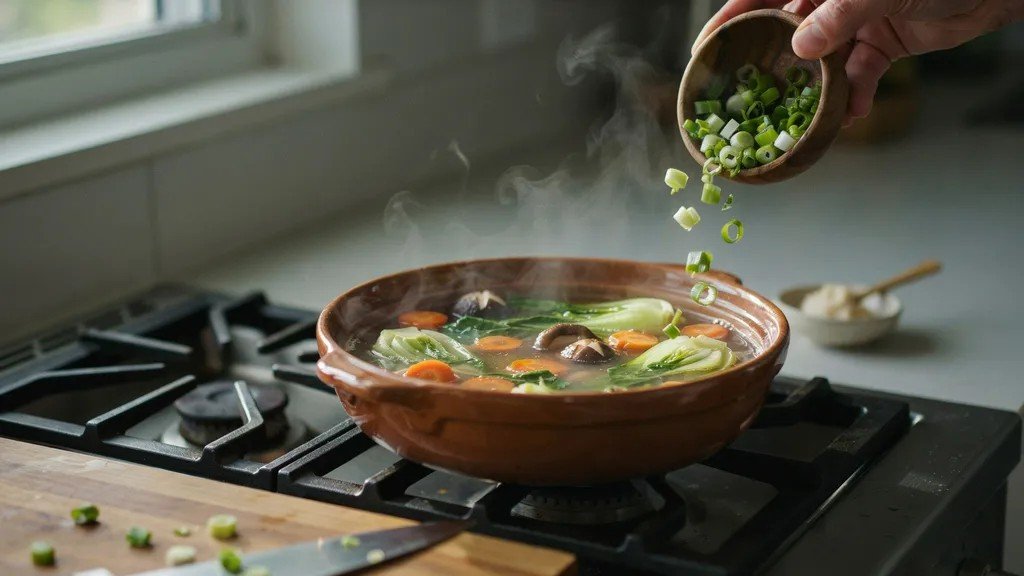
Add your vegetables after the broth is ready. Simmer on low for five to seven minutes. You want them soft but not falling apart. Add green onions at the very end.
Health Benefits of Vegetable Miso Soup
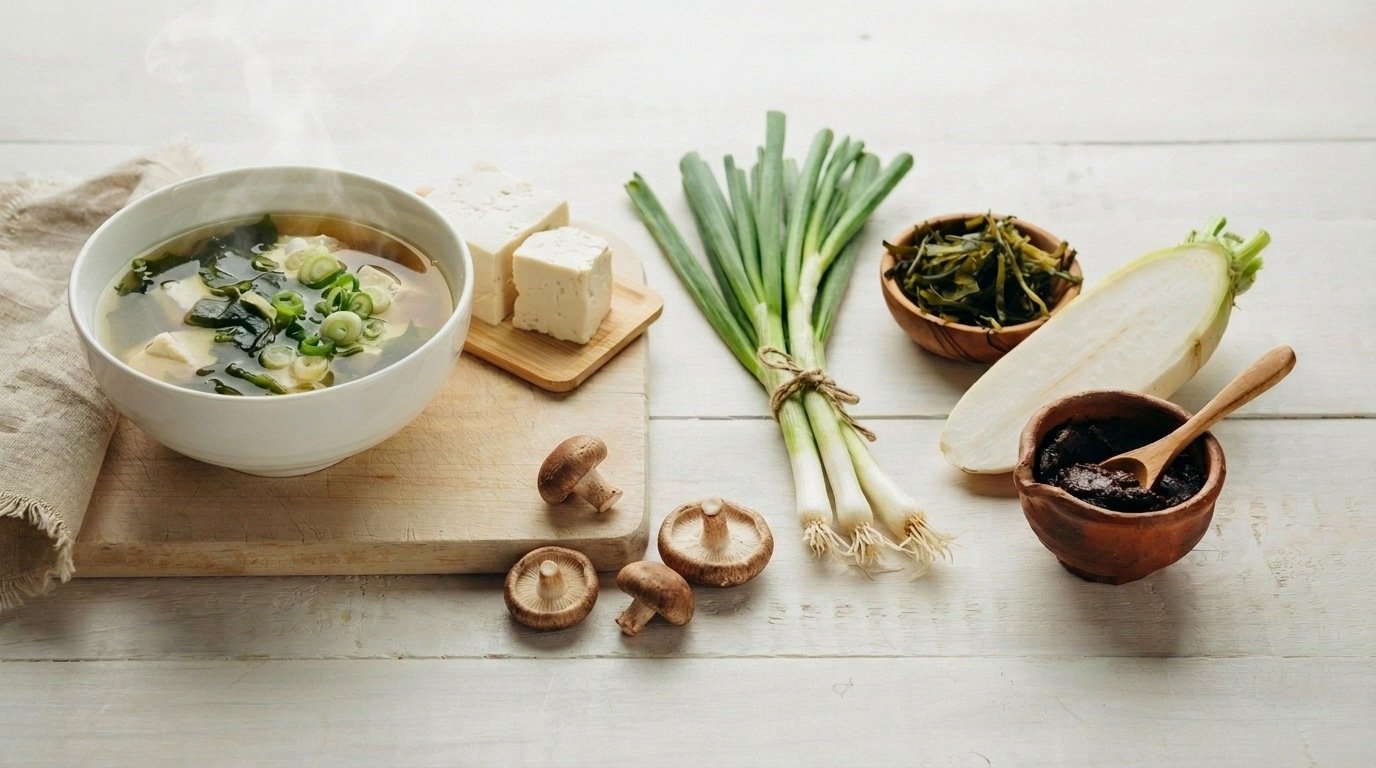
A bowl that tastes great and supports your body from the inside out.
Gut-Friendly Probiotics
Miso is a fermented food. That means it is full of live probiotics. These support a healthy gut and better digestion. Just do not overheat it. The probiotics stay active when miso is added at low heat.
Nutrient-Rich Vegetables
Every vegetable in this soup adds something good. Carrots give you vitamin A. Bok choy is high in vitamin C and calcium. Mushrooms add B vitamins and minerals.
Together, they cover a wide range of daily nutritional needs.
Low-Calorie and Filling
One bowl is around 100 to 150 calories, depending on what you add. Yet it feels very filling. The broth, vegetables, and miso work together to keep you satisfied without heavy ingredients.
Anti-Inflammatory Ingredients
Ginger and garlic are both known for their anti-inflammatory properties. Adding them to a regular meal like this soup is one of the easiest ways to support your body over time.
Variations of Vegetable Miso Soup You Can Try
Small changes can give this soup a whole new feel.
Spicy Version

Add a teaspoon of gochujang or chili flakes for heat. This works well in colder months. The spice balances nicely with the salty miso broth.
Miso Noodle Soup
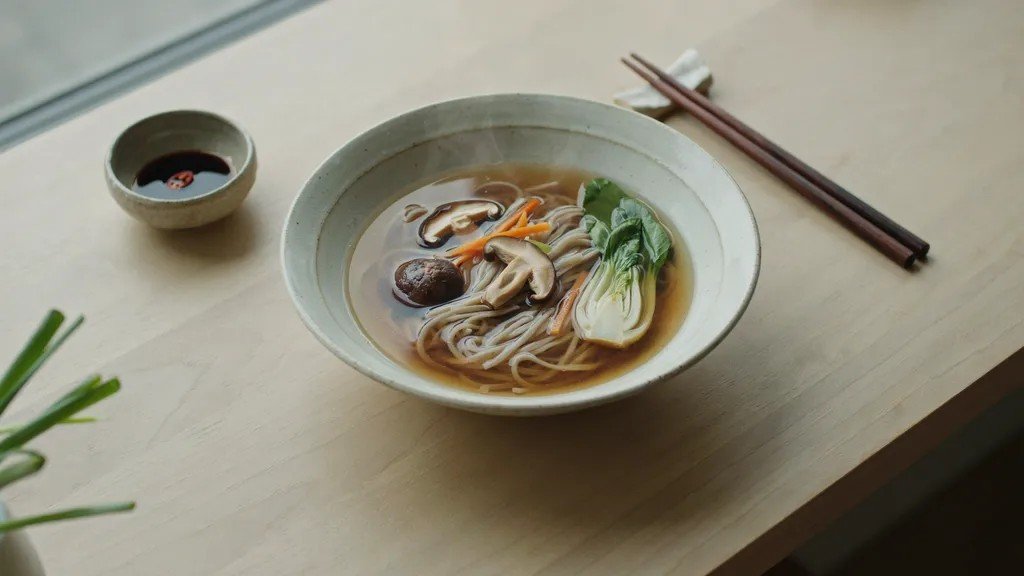
Cook soba or rice noodles separately. Add them to the bowl before pouring in the broth. This turns the soup into a full, hearty meal. Great for lunch or dinner.
Protein-Rich Version
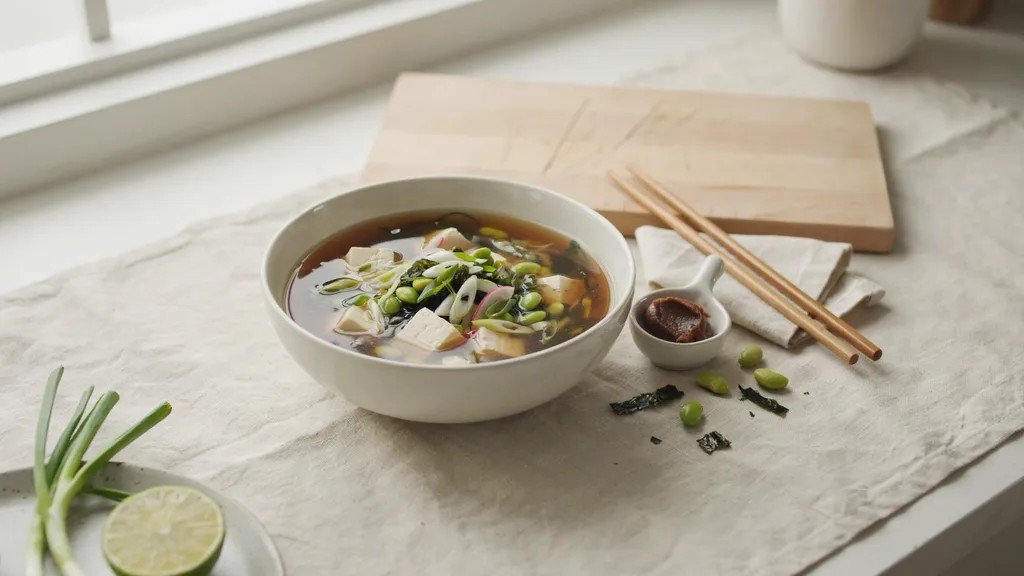
Add soft tofu cubed into small pieces. You can also try edamame, tempeh, or plant-based protein. These options keep it fully vegan while adding substance.
Tips for the Best Vegetable Miso Soup
Small habits lead to big results with this soup.
- Never boil the miso paste. High heat destroys the probiotics and changes the flavor. Always add it off the heat or at a very low simmer.
- Cook noodles separately in a different pot. Adding them directly to the broth makes them soggy. Add them fresh to each bowl before serving.
- Taste before adding salt or soy sauce. Miso is already salty, and the broth adds more depth. The two together are usually enough.
- Start with a small amount of chili or gochujang. You can always add more spice, but you cannot remove it once it is in.
- Balance your seasoning at the end. Let the miso and broth do most of the work. Adjust only after tasting the full soup together.
Conclusion
I started making vegetable miso soup on weeknights when I needed something warm and easy. It never lets me down. It is one of those recipes that feels special but takes almost no effort.
Now it is your turn. Try the base recipe first, then play with the variations that sound good to you. Make it a weekly habit. Your gut will thank you.
If you try this recipe, drop a comment below and let me know how it turned out. I would love to hear what you added to your bowl!
Frequently Asked Questions
Can I use any type of miso paste for vegetable miso soup?
Yes, you can. White miso is mild and works well for beginners. Red miso has a stronger, saltier flavor and is great if you want a bolder taste.
How do I store leftover vegetable miso soup?
Store it in an airtight container in the fridge for up to three days. Keep noodles separate so they do not absorb all the broth.
Is vegetable miso soup good for weight loss?
It can be a helpful part of a healthy eating plan. It is low in calories and high in nutrients, which helps you feel full without overeating.
Can I make vegetable miso soup gluten-free?
Yes. Use gluten-free miso paste and rice noodles instead of wheat-based noodles. Always check the miso label, as some brands contain barley or wheat.
How do I add more protein to vegetable miso soup?
Add cubed soft tofu, edamame, or tempeh. These are all plant-based, easy to prepare, and blend well with the miso broth flavor.