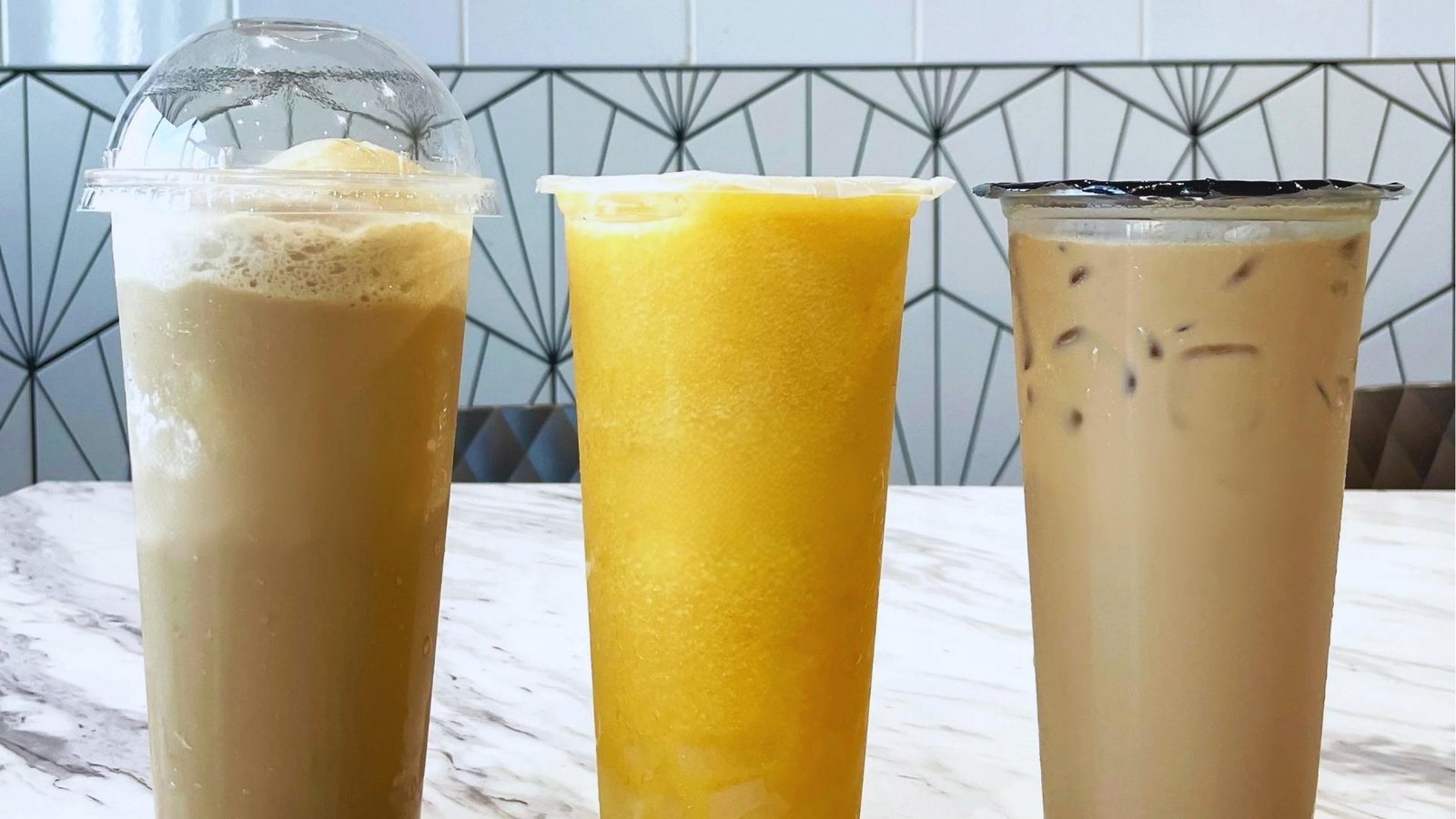
You've seen it on menus, heard both names, and probably wondered is, boba vs bubble tea is actually a difference, or are they the same drink? I've had this question myself, standing at a counter, unsure what to order.
Good news: by the end of this article, you'll have a clear answer. I've researched this thoroughly so you don't have to.
We'll cover what bubble tea is and where it came from, what "boba" actually means, whether there's any real difference between the two, how naming varies by region, and how to order with confidence.
No confusion, no guessing. Just simple, clear answers.
What Is Bubble Tea?
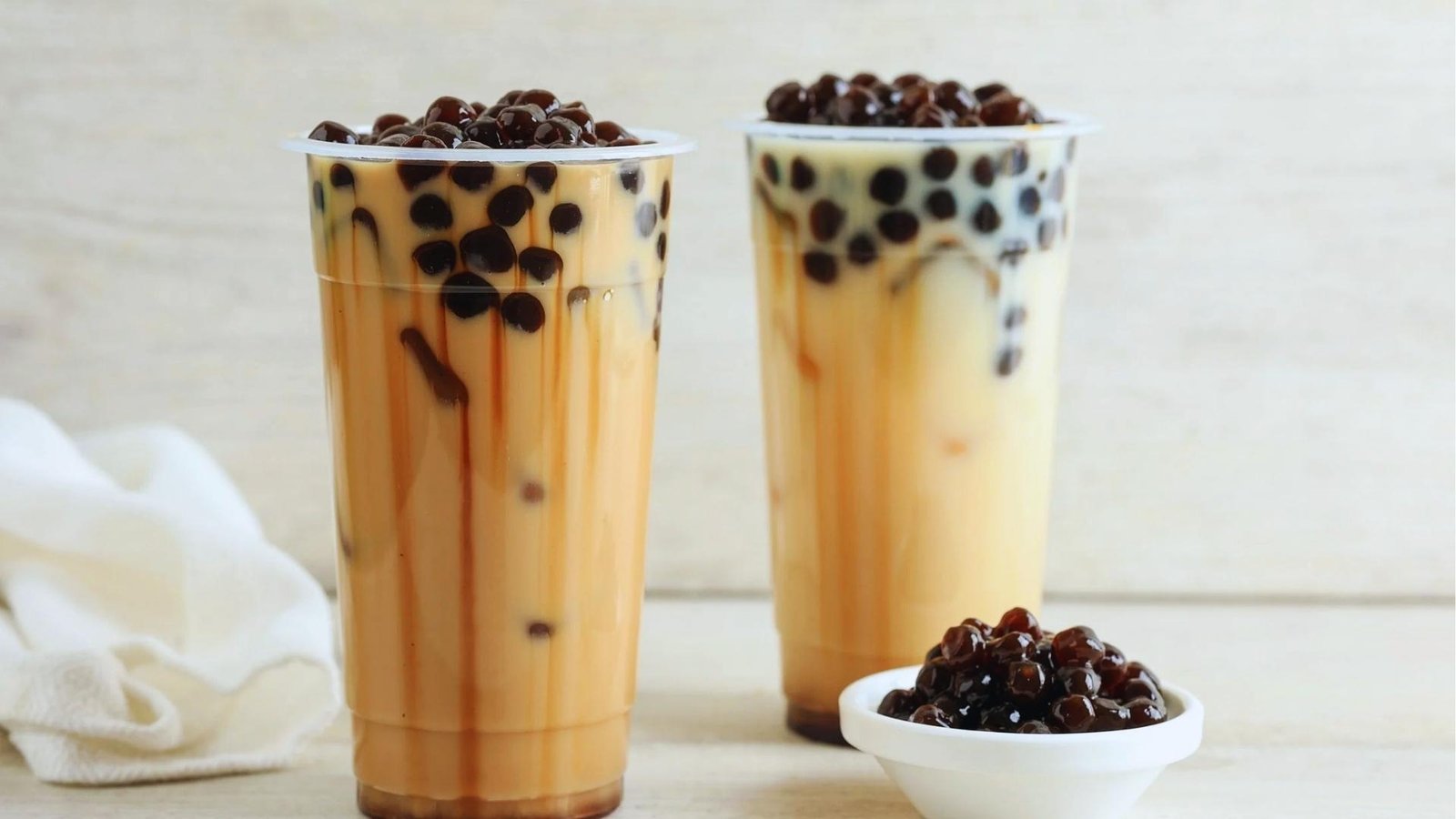
Bubble tea started in Taiwan in the 1980s when a tea shop mixed sweetened milk tea with chewy tapioca pearls, and people loved it right away.
Surprisingly, the name "bubble" came from the foam formed when the drink was shaken, not from the pearls. From Taiwan, it spread across Asia, Europe, and then the US.
A basic bubble tea has four things: tea, milk or creamer, sugar or syrup, and tapioca pearls. Simple, but hard to stop drinking. Today the drink has changed a lot.
You'll find fruit teas, plant-based milks, flavors like taro and matcha, and toppings like jelly or pudding. The base idea stays the same, but the options keep growing.
What Is Boba?
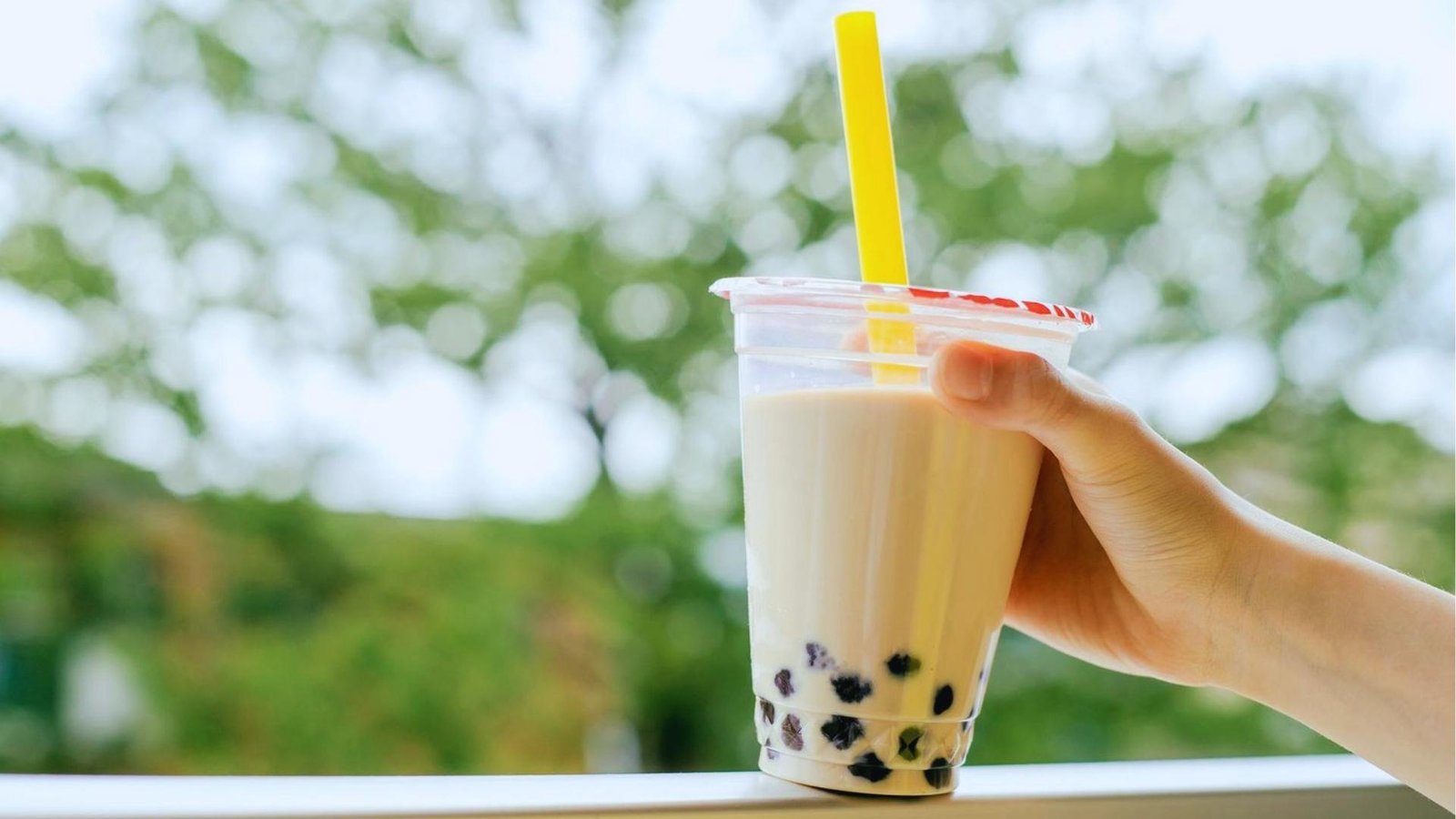
In Chinese, "boba" is slang for the big, round, chewy black balls made from tapioca starch, the ones you suck up through that wide straw.
So at first, boba was just the topping, not the whole drink. Over time, the word shifted and people started calling the entire drink "boba." This happens a lot in language.
A part of something becomes the name for the whole thing, just like "kleenex" became a word for all tissues. Now when someone says "let's get boba," they mean the drink.
In many Asian countries, people still say "bubble tea" or "pearl milk tea," but in the US, especially on the West Coast, "boba" is far more common. Neither is wrong.
Boba vs Bubble Tea Are They Actually Different?
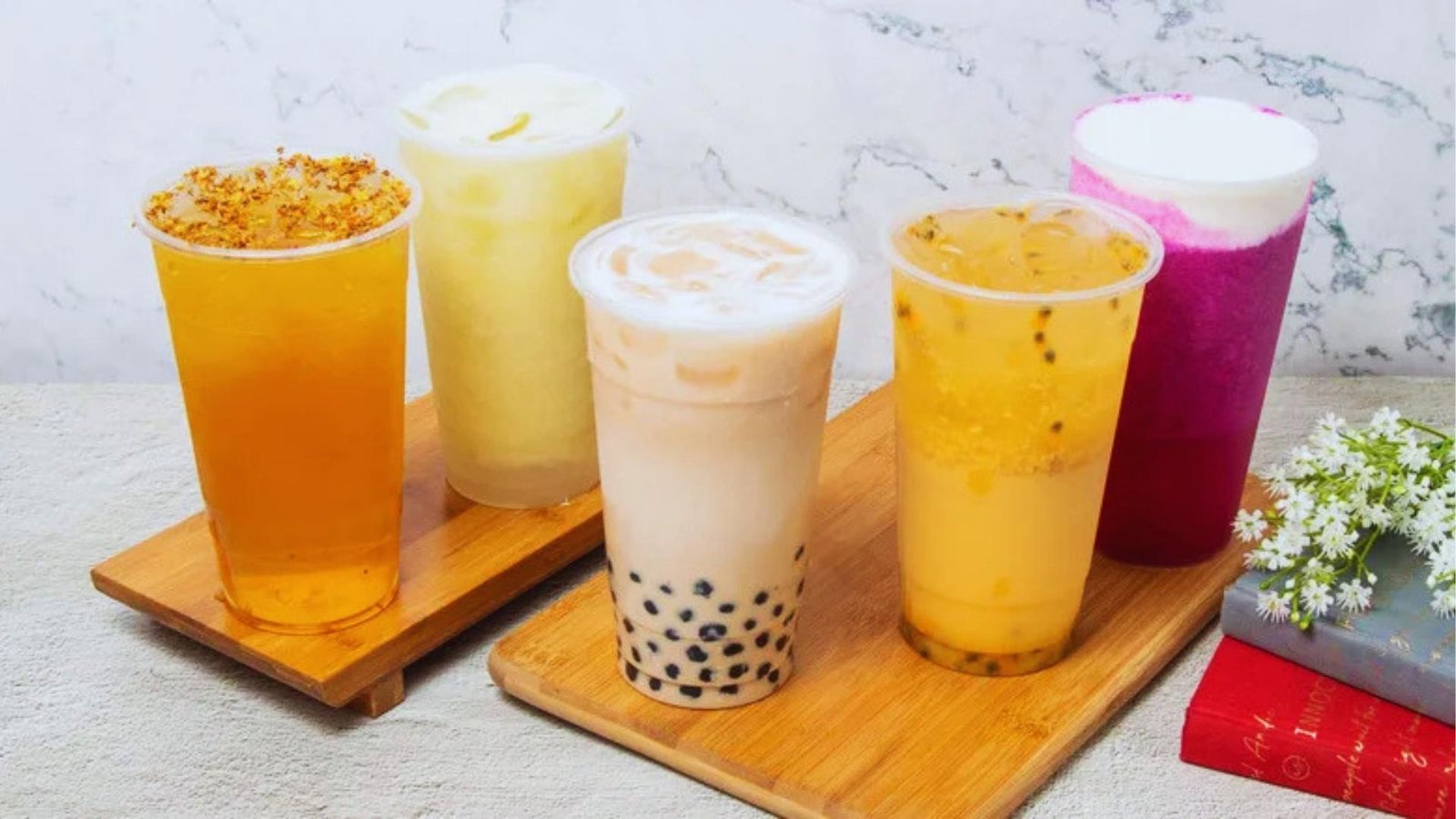
Short answer no. Long answer also no, but here's why two names exist for the same drink.
| Aspect | Boba | Bubble Tea |
| Are They Different? | No | No |
| Short Explanation | Same drink, different name | Same drink, different name |
| Beverage Difference | No difference in recipe, ingredients, or preparation | No difference in recipe, ingredients, or preparation |
| What the Name Refers To | Refers to the tapioca pearls | Refers to the foam (“bubbles”) from shaking |
| Origin of the Name | Comes from pearls inside the drink | Comes from the frothy top layer |
| Usage | Common in many regions, especially casually | Common in menus and formal naming |
| Interchangeability | Used interchangeably with bubble tea | Used interchangeably with boba |
| Final Takeaway | Same drink, just a different term | Same drink, just a different term |
Regional Usage Differences (Boba vs Bubble Tea)
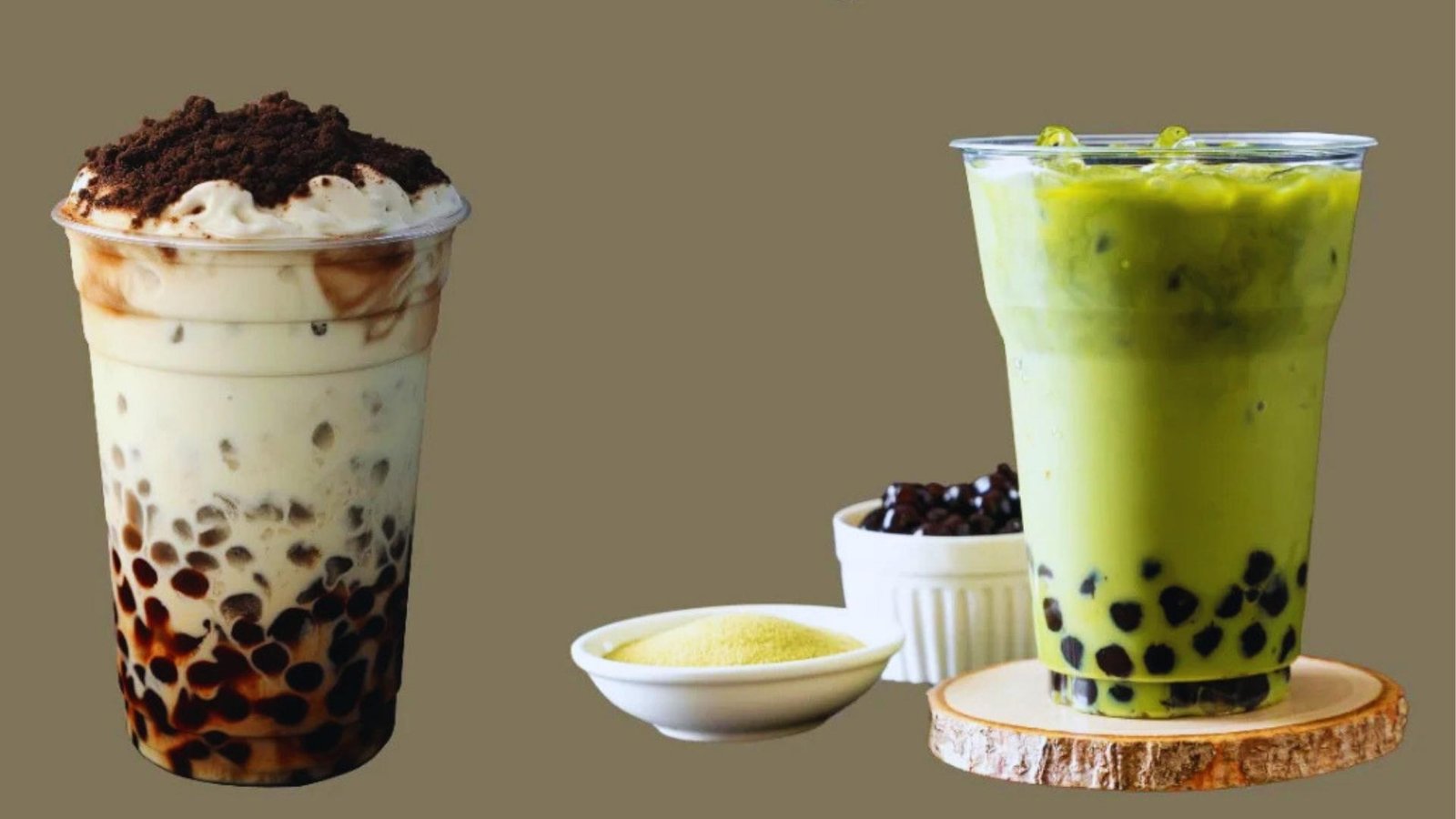
Where you live often decides which name you use. Here's a simple breakdown by region.
"Bubble Tea" More Common in Some Regions
In the UK, Australia, and most of Asia, people say bubble tea. It's the more formal name and you'll see it on menus and in cafes across these regions.
In Taiwan, where the drink originally started, it's often called "pearl milk tea" more than either of the two popular names. The term bubble tea simply stuck harder in these parts of the world.
"Boba" More Popular in Others
In the United States, especially California and other West Coast cities, boba is the go-to word. It's short, casual, and caught on fast among younger crowds.
You'll hear people say "boba shop" or "let's get boba" like it's second nature. The word felt natural and easy, so it spread quickly across the country.
Cultural and Linguistic Influence on Naming
Names travel with people when communities move to new places. Asian-American communities in the US played a big role in spreading the word boba, which is why it landed so strongly on the West Coast.
Language picks up the habits of the people who use it every day. It's a small but clear example of how culture quietly shapes the words we reach for.
Other Names for Bubble Tea You Should Know
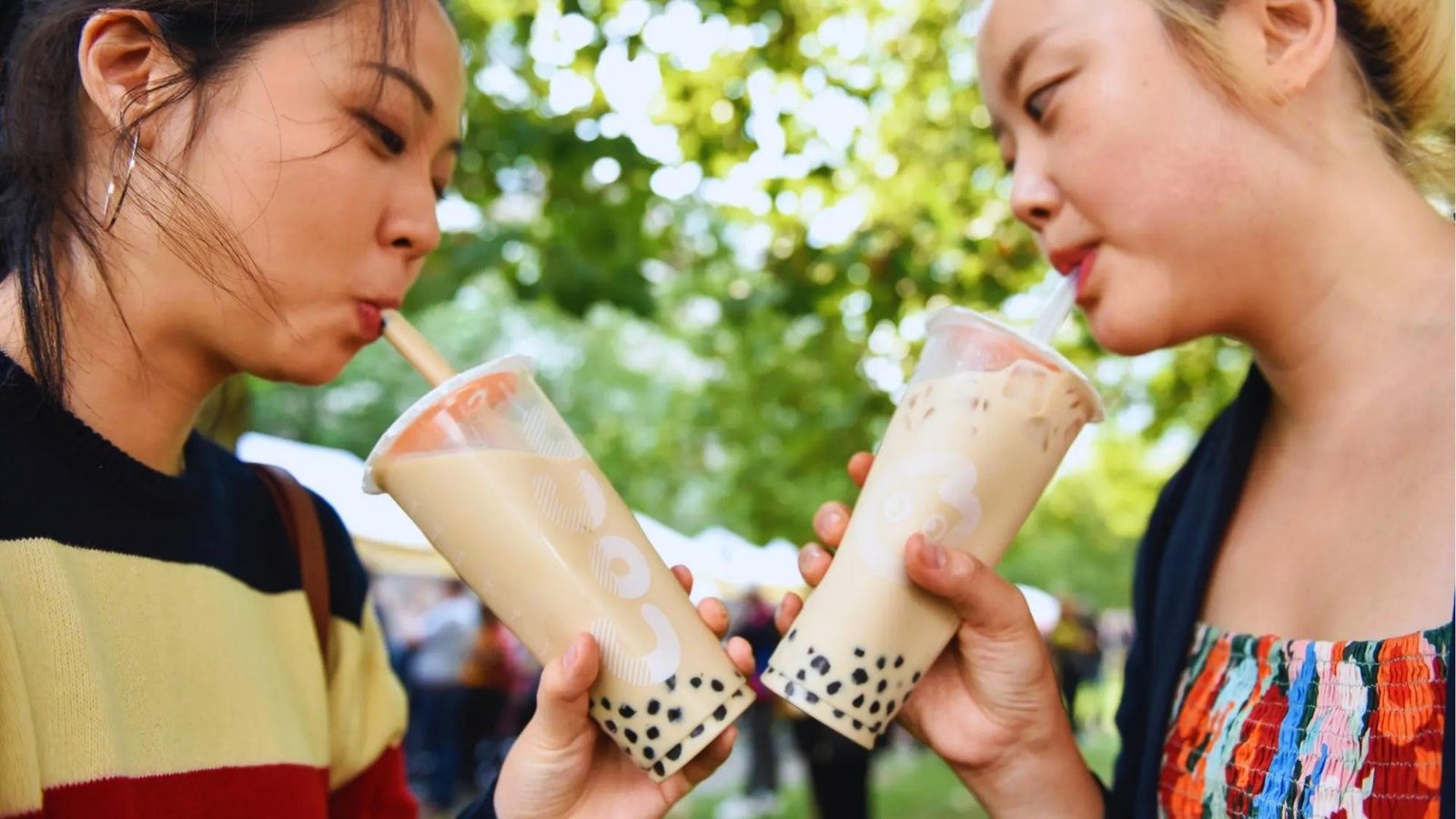
This drink has picked up several names around the world. Here are the most common ones.
Pearl Milk Tea
This was the original name used in Taiwan. It focuses on the pearls, which were the big selling point of the drink when it first launched.
You'll still hear this name in Taiwan and parts of Southeast Asia.
Tapioca Tea
In some Asian countries, the drink is called tapioca tea. This also points to the chewy tapioca pearls as the defining ingredient.
Less common today, but you'll still see it on older menus or in traditional tea shops.
Milk Tea Variations Across Countries
In Hong Kong, milk tea has its own version, made with black tea and evaporated milk, no pearls. In India, "milk tea" means chai. In the Philippines, it often refers to a bubble tea shop drink.
Same phrase. Very different meanings depending on where you are.
Tips for Understanding and Ordering Bubble Tea
Ordering bubble tea for the first time can feel confusing. These tips make it easy.
- "Boba" can mean the drink or just the pearls depending on context. "I want boba" means the drink. "Add boba" means add the pearls as a topping.
- Don't stress about which name to use. Both "boba" and "bubble tea" are understood everywhere, and no one will correct you at the counter.
- Most shops let you pick your tea base, black, green, oolong, or fruit, so start with whatever sounds familiar to you.
- You can control sweetness levels too. Ask for less sugar, half sugar, or full sugar based on what you prefer.
- Toppings are fully customizable. Try tapioca pearls, jelly, or pudding, and don't hesitate to ask the staff for help if it's your first time.
Conclusion
So, boba vs bubble tea? Same drink. Different names. That's really all there is to it.
I used to overthink this too, standing in line, unsure which word to use. Now I just say whatever feels natural and enjoy the drink.
The name doesn't change the taste. What matters is finding a flavor you love and customizing it your way.
Have you tried bubble tea yet? Drop a comment and tell me your favorite flavor. And if this helped clear things up, share it with a friend who's still confused.
Frequently Asked Questions
Is boba the same as bubble tea?
Yes, completely. Boba and bubble tea refer to the same drink. The names come from different parts of the drink's history but mean the same thing today.
Where did the name "bubble tea" come from?
The name came from the foam bubbles formed when the tea was shaken, not from the tapioca pearls. This surprised many people when they first learned it.
What does boba actually mean?
Boba originally meant the tapioca pearls inside the drink. Over time, the word expanded to describe the entire drink itself in casual conversation.
Can I order bubble tea without pearls?
Yes, most shops let you remove or swap toppings. You can skip the pearls and choose jelly, pudding, or nothing at all. Just ask when you order.
Which name is more correct, boba or bubble tea?
Both are correct. Your location usually decides which one you use more. Neither name is wrong, and both are understood in shops around the world.