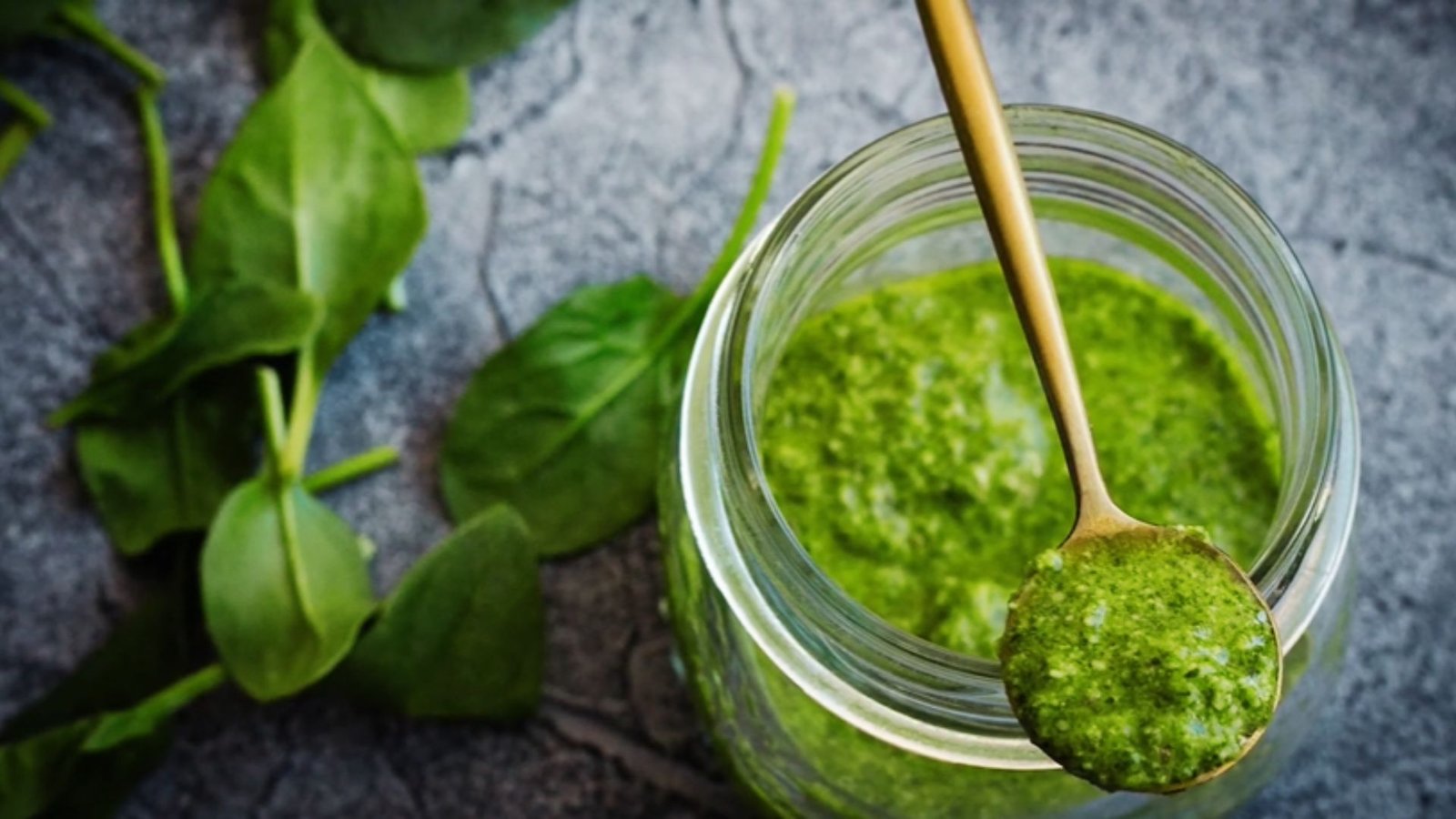
Ever made pesto and realized pine nuts cost a fortune? Or worse, someone at the table has a nut allergy?
I've been there more than once.
That's exactly why I started making this pumpkin seed pesto recipe. It fixes both problems at once. Pepitas are cheap, easy to find, and safe for most allergy-prone eaters.
In this post, I'll walk you through the full recipe, step by step. You'll also see why it's trending in 2026, the best ways to use it.
Simple ingredients. No fancy skills needed. Just fresh basil, a handful of pepitas, and 10 minutes.
Let's get into it.
Why Pumpkin Seed Pesto Is Trending in 2026
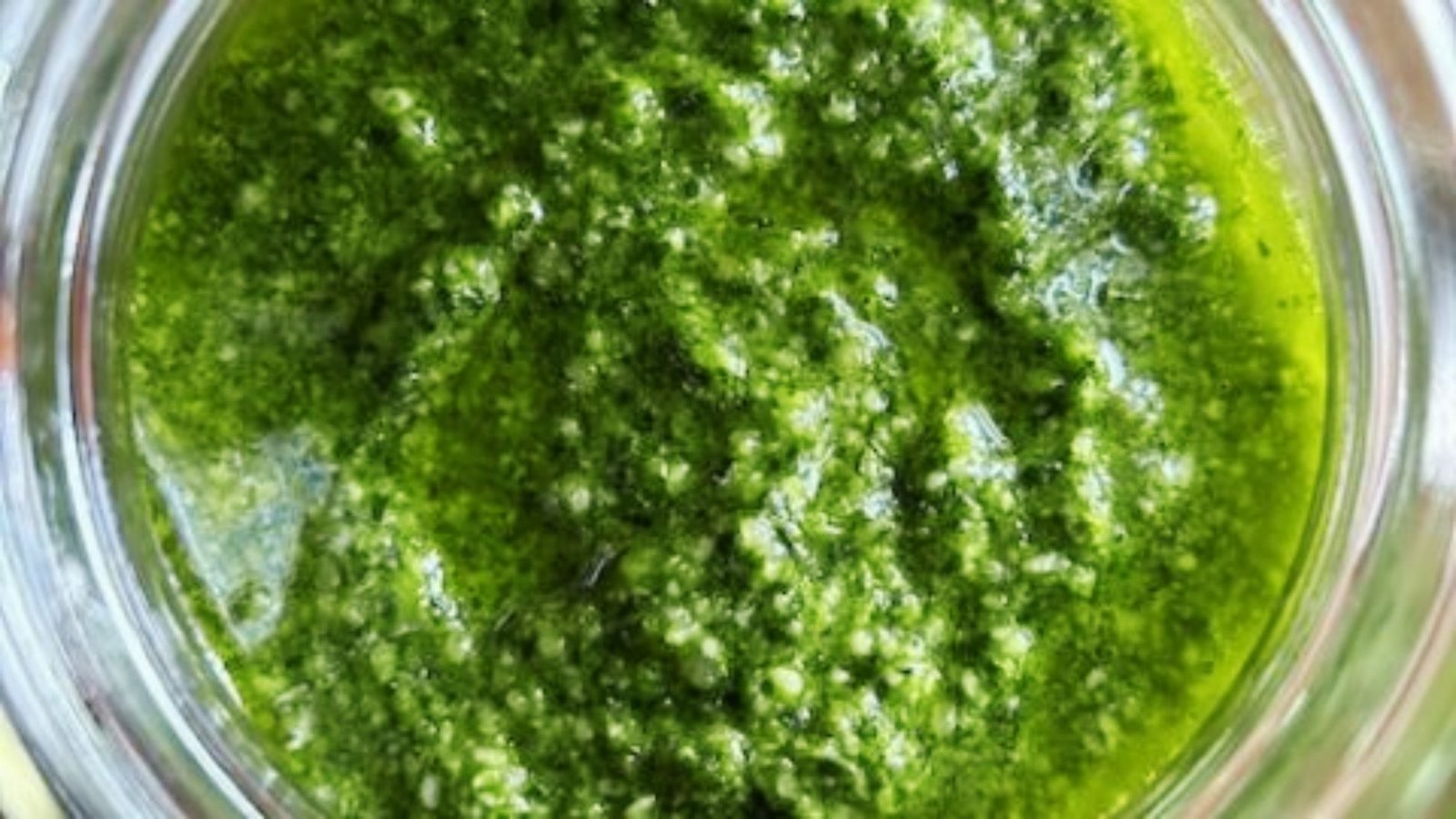
Plant-based cooking has taken over home kitchens in a big way. More people are skipping nuts due to allergies, and pumpkin seeds are stepping in as a safer, cheaper swap.
Cooks on social media are showing quick green sauces and meal prep hacks, and pesto made with seeds keeps showing up everywhere.
Restaurants are doing it too, using seeds to cut costs and get creative. Pumpkin seeds are also more eco-friendly to grow than pine nuts.
That mix of accessibility, flavor, and sustainability is exactly why this sauce has become so popular right now.
Key Ingredients in a Pumpkin Seed Pesto Recipe
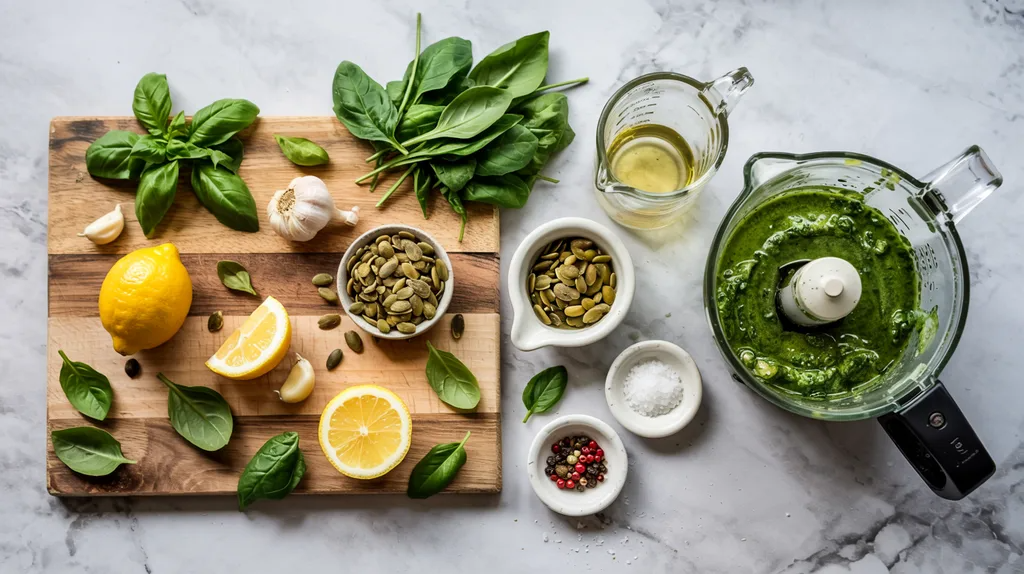
You only need a handful of fresh, simple ingredients to pull this together.
- 3 oz of fresh basil
- 2 oz of fresh spinach
- 1 lemon (zest and juice)
- 3 cloves of garlic
- 1/4 cup of pepitas or nuts of your choice
- 1/4 to 1/2 cup of neutral oil (vegetable or canola)
- Salt and pepper to taste
Step-by-Step Guide: How to Make Pumpkin Seed Pesto
Follow these six steps and you'll have a vibrant green sauce ready in under 10 minutes.
Step 1: Separate Fresh Basil Leaves
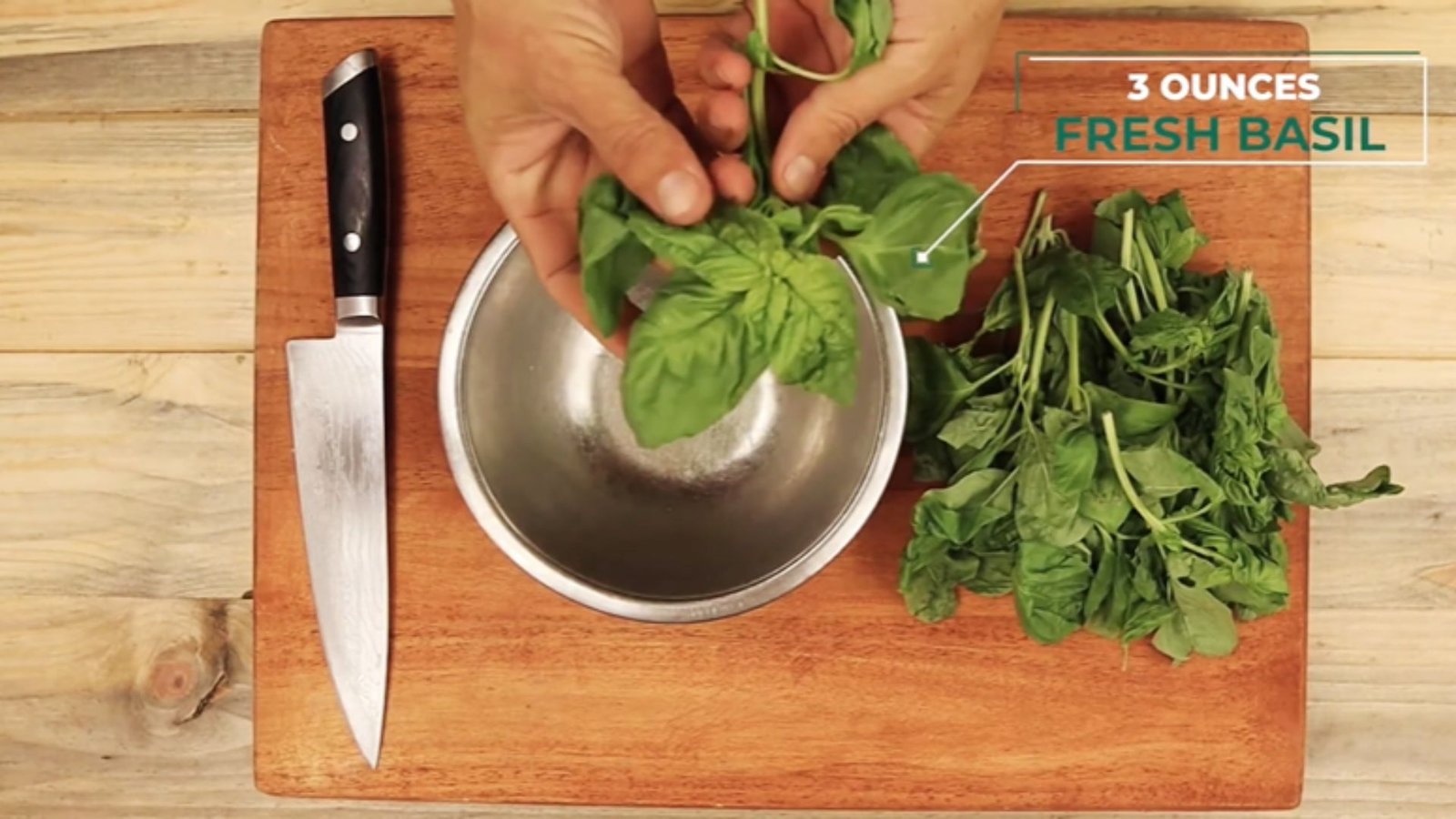
Start by measuring and separating about 3 oz of fresh basil leaves from the stems. Use only the tender green leaves. Discard any wilted or brown ones.
Fresh basil is the base of this pumpkin seed pesto recipe. It gives the sauce that classic herbal flavor and bright green color.
Step 2: Prepare Lemon Zest and Juice
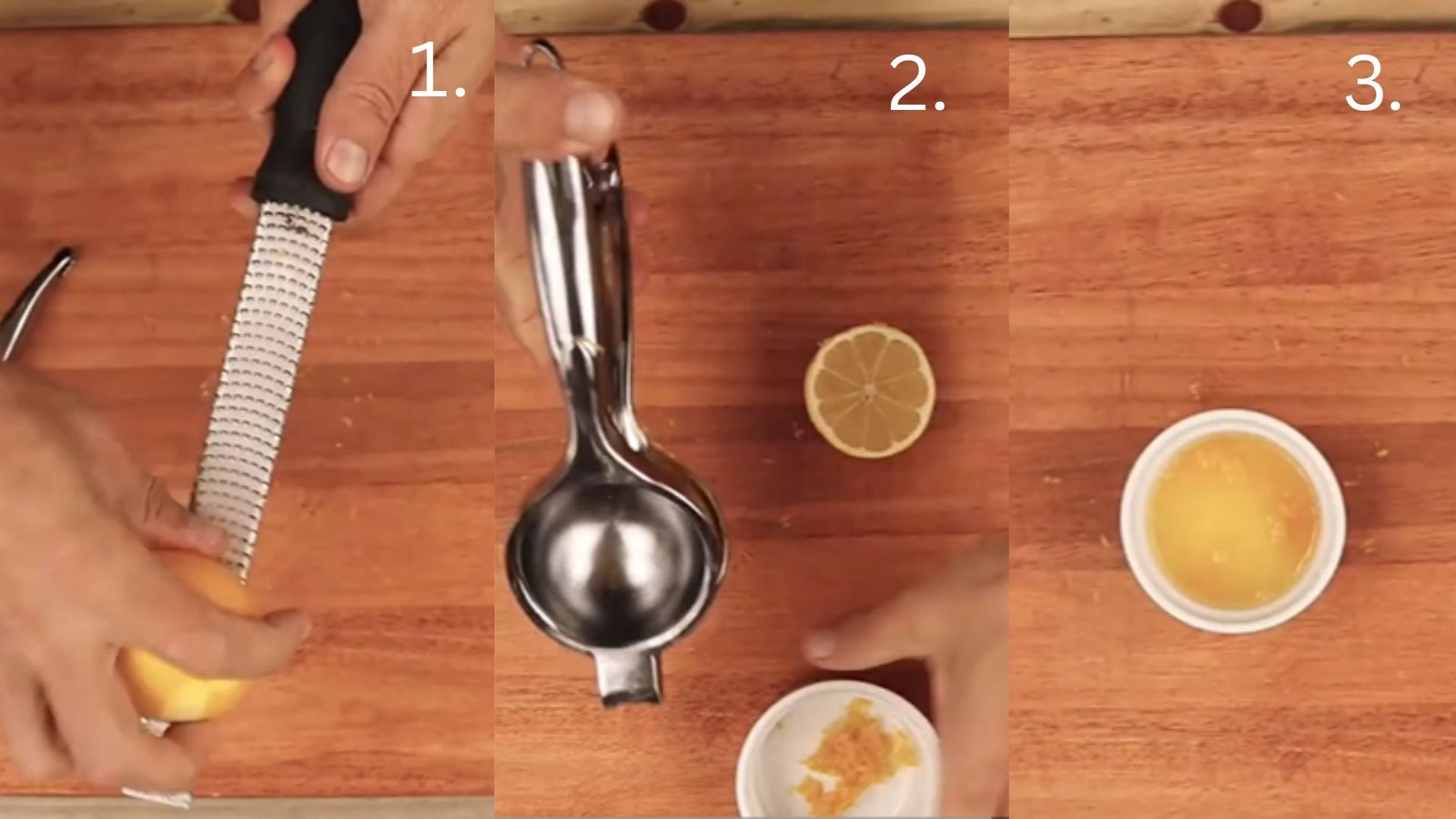
Grate the zest from one fresh lemon first. Stay close to the surface and skip the white pith, which tastes bitter.
Then cut the lemon in half and squeeze out all the juice. Both the zest and juice matter here. They add brightness and balance to the rich, nutty flavor of the seeds.
Step 3: Add Basil to the Grinder
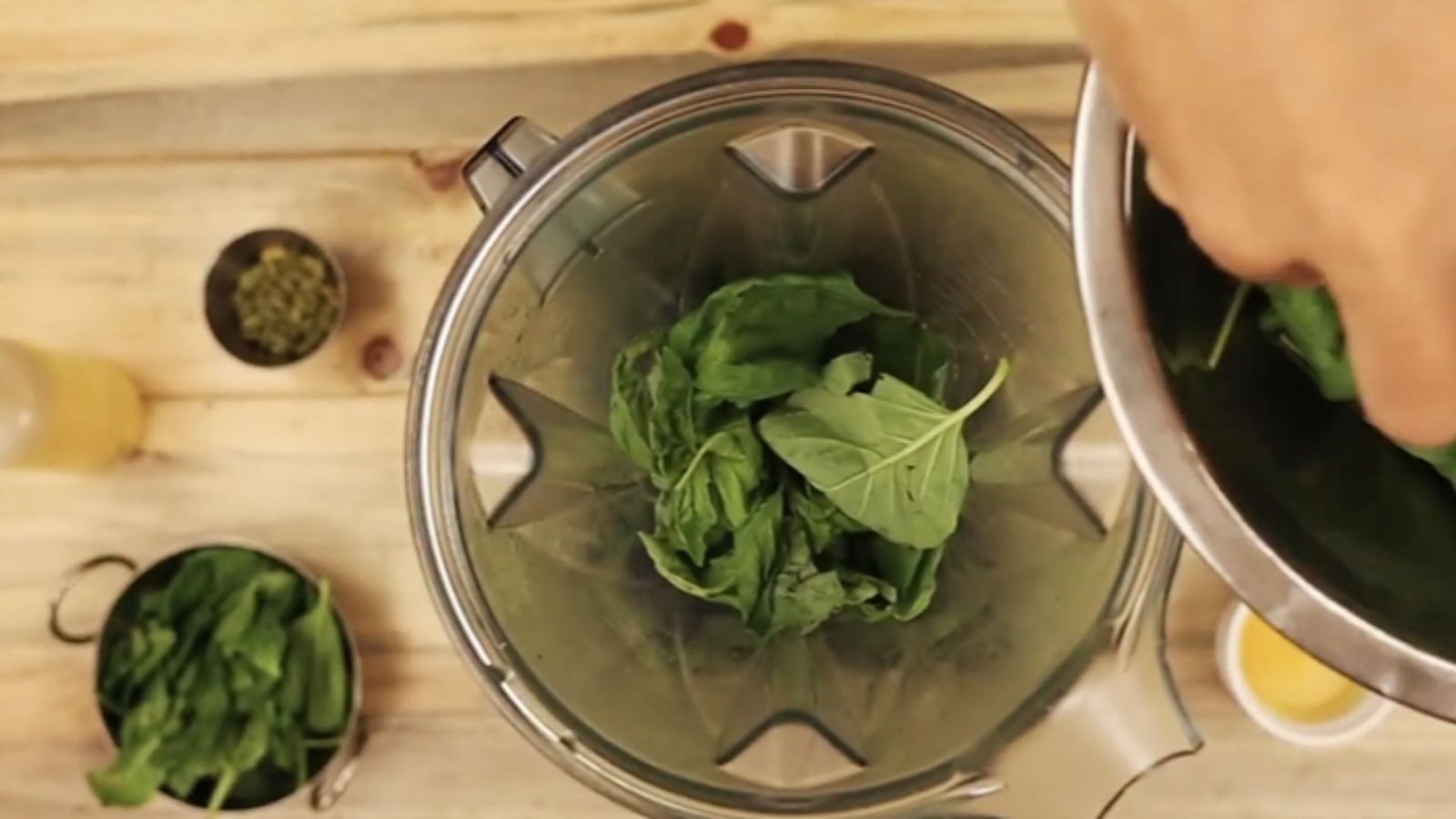
Place the basil leaves into a grinder or food processor. This is the aromatic base of your pesto. Keep the leaves loosely packed so they blend evenly.
Fresh basil releases its natural oils when processed, which is what gives this pumpkin seed pesto recipe its deep herbal flavor and vivid green color.
Step 4: Add Garlic, Seeds, Oil, and Spinach
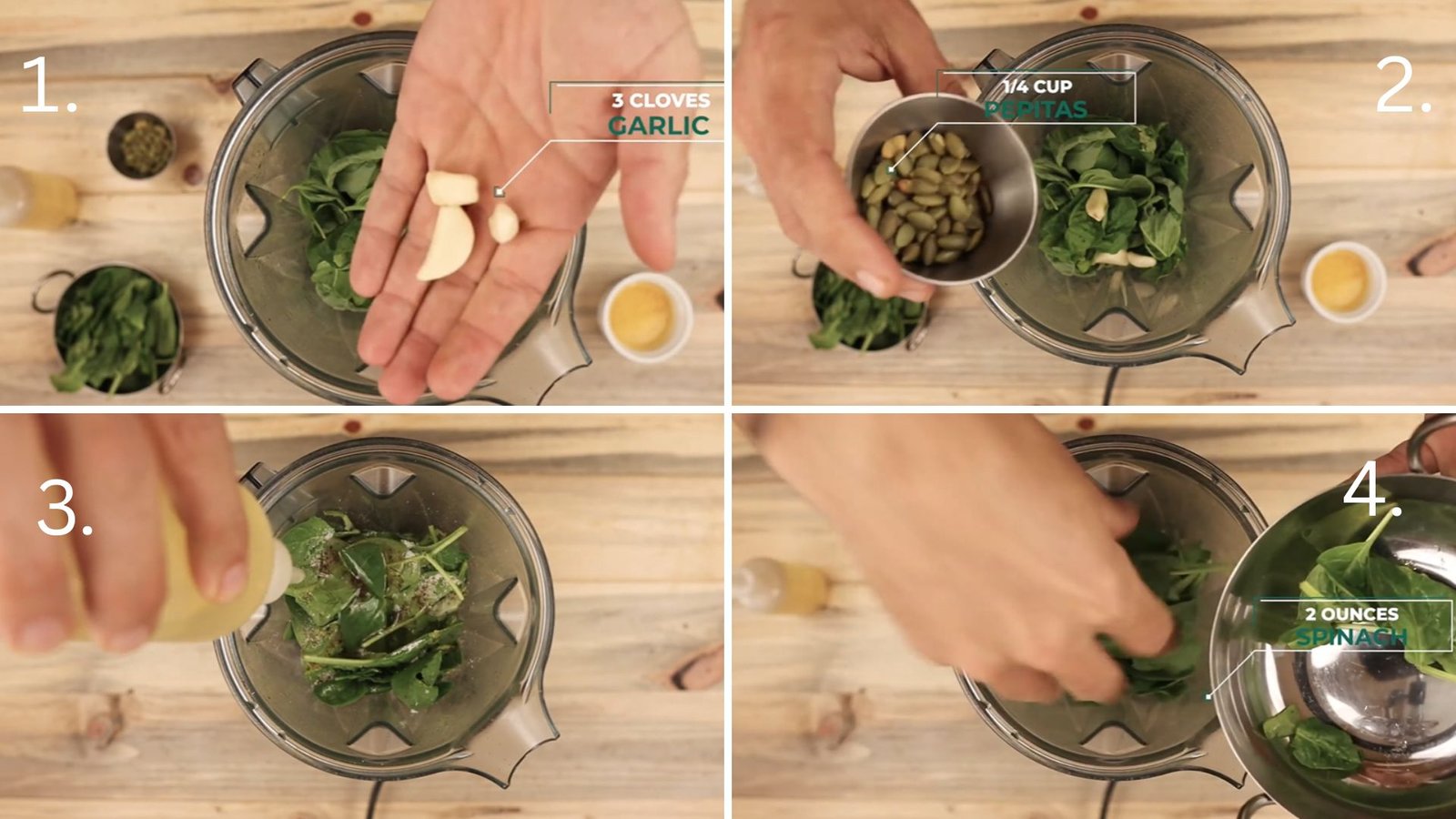
Now add 3 cloves of garlic, 1/4 cup of pepitas, 2 oz of fresh spinach, and 1/4 to 1/2 cup of neutral oil into the grinder with the basil.
This step builds the body of the sauce. The pepitas add creaminess. The spinach boosts the green color. The oil brings everything together into a smooth, rich blend.
Step 5: Season with Salt, Pepper, and Lemon
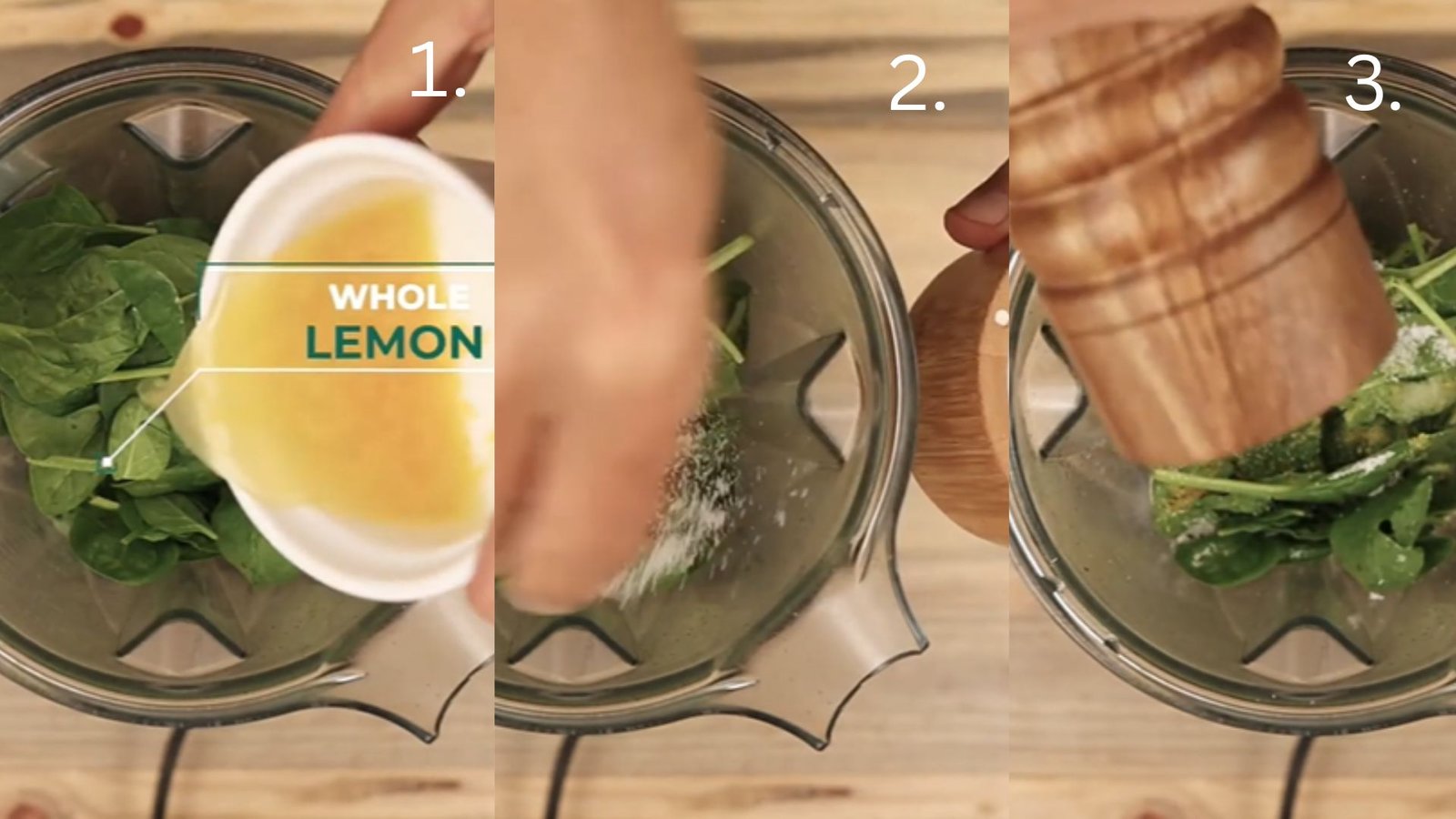
Add salt and freshly cracked black pepper to taste. Then pour in the lemon zest and juice. This step is what balances everything out.
The seasoning brings out the nuttiness of the pepitas. The lemon keeps the pesto tasting fresh and light, not heavy or greasy.
Step 6: Grind Until Smooth and Serve
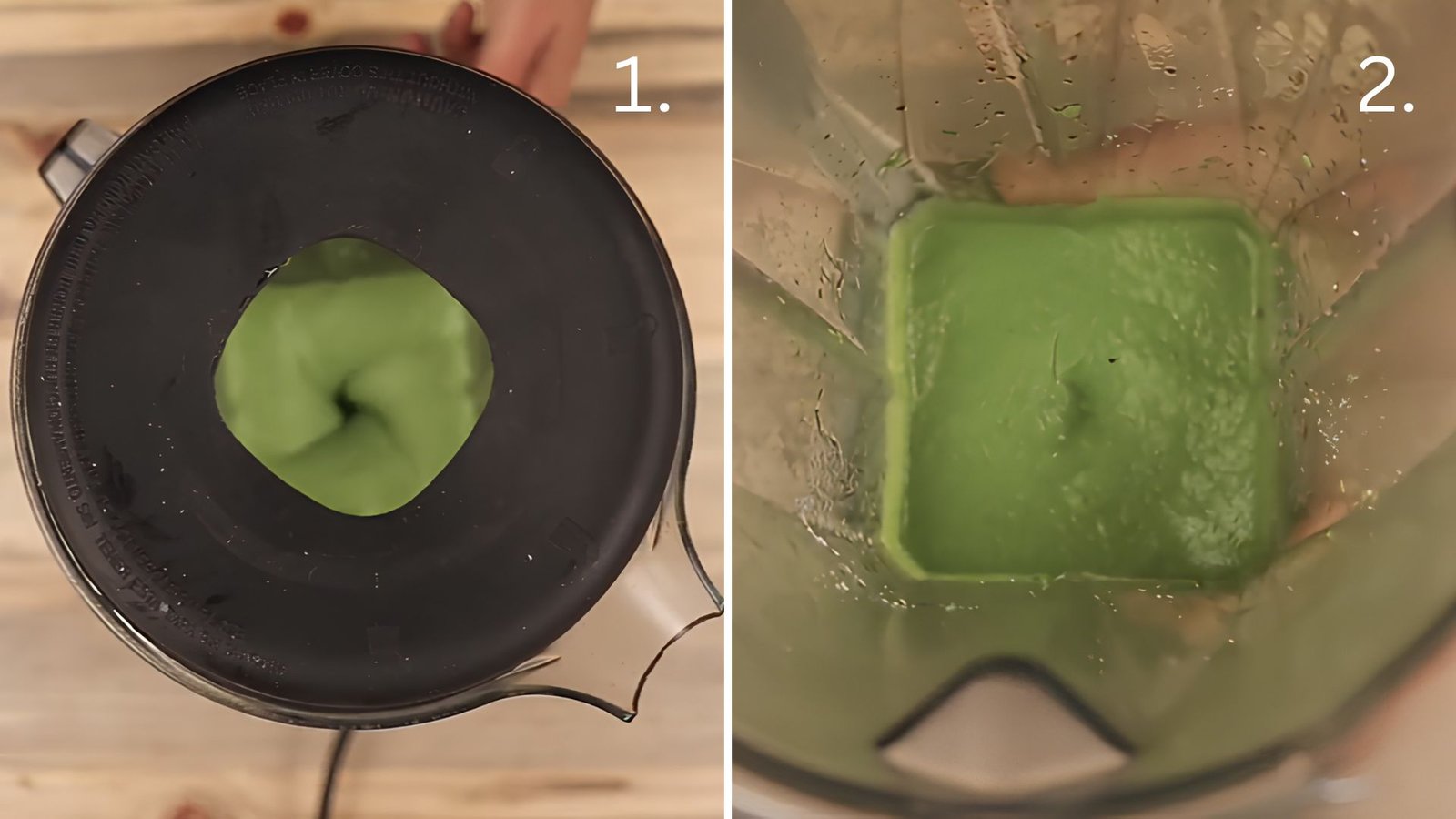
Run the grinder until the mixture is smooth and creamy. Stop a few times to scrape down the sides. This ensures everything blends evenly.
Once it looks glossy and well combined, it's ready. Your pumpkin seed pesto recipe is done and good to use right away.
Latest Culinary Uses of Pumpkin Seed Pesto
Once you make a batch, you'll want to put it on everything.
Here are some of the most popular ways people are using it right now:
- Tossed with hot pasta for quick dinner bowls
- Spread on sourdough sandwiches and wraps
- Used as a salad dressing base
- Drizzled over roasted vegetables and potatoes
- Mixed into grain bowls with quinoa, rice, or couscous
- Used as a pizza sauce instead of tomato base
- Served as a dip for crackers and fresh vegetables
This versatility is one of the main reasons the pumpkin seed pesto recipe is trending in home kitchens and food blogs.
Health Benefits of Pumpkin Seed Pesto Recipe
This sauce is as good for your body as it is for your taste buds.
- Rich in magnesium, iron, and zinc that support heart health, immunity, and energy levels.
- High in plant-based protein making it a smart choice if you are cutting back on meat.
- Packed with healthy fats from the oil and seeds that help your body absorb nutrients better.
- Naturally gluten-free and dairy-free so it fits vegan and clean-eating diets with zero swaps needed.
- Full of antioxidants from basil and spinach that help protect your body from everyday stress and inflammation.
Conclusion
I was honestly surprised the first time I made this. I didn't expect a simple swap to taste this good.
But this pumpkin seed pesto recipe has become a regular in my kitchen. It's fast, affordable, and works on just about anything.
I hope you give it a try this week. If you do, drop a comment below and let me know what you paired it with.
And if you found this helpful, share it with a friend who loves cooking easy, flavorful meals.
Frequently Asked Questions
Can I use roasted pumpkin seeds instead of raw pepitas?
Yes, roasted seeds work fine and add a slightly deeper, nuttier flavor to the pesto.
How long does pumpkin seed pesto stay fresh in the fridge?
It stays good for up to 5 days in an airtight container in the refrigerator.
Can I freeze this pumpkin seed pesto recipe?
Yes, you can freeze it in small portions for up to 3 months and thaw as needed.
Is this pesto recipe safe for people with tree nut allergies?
Pepitas are seeds, not tree nuts, so they are generally safe, but always check with your doctor first.
Can I replace the neutral oil with olive oil?
Yes, olive oil works well and adds a richer, more traditional pesto flavor to the sauce.