I made my first matcha coffee recipe on a slow Tuesday morning. No fancy equipment. No barista training. Just a whisk, some matcha powder, and leftover espresso.
And honestly? It was better than what I had paid $7 for at a cafe.
In this blog, I'll walk you through everything. What matcha coffee actually is. The ingredients you need.
A classic recipe. An iced version. A dirty matcha latte. Milk options. Flavor ideas. And the mistakes most people make.
I've tested these recipes more times than I can count. You'll get something that works the first time.
What Is Matcha Coffee?
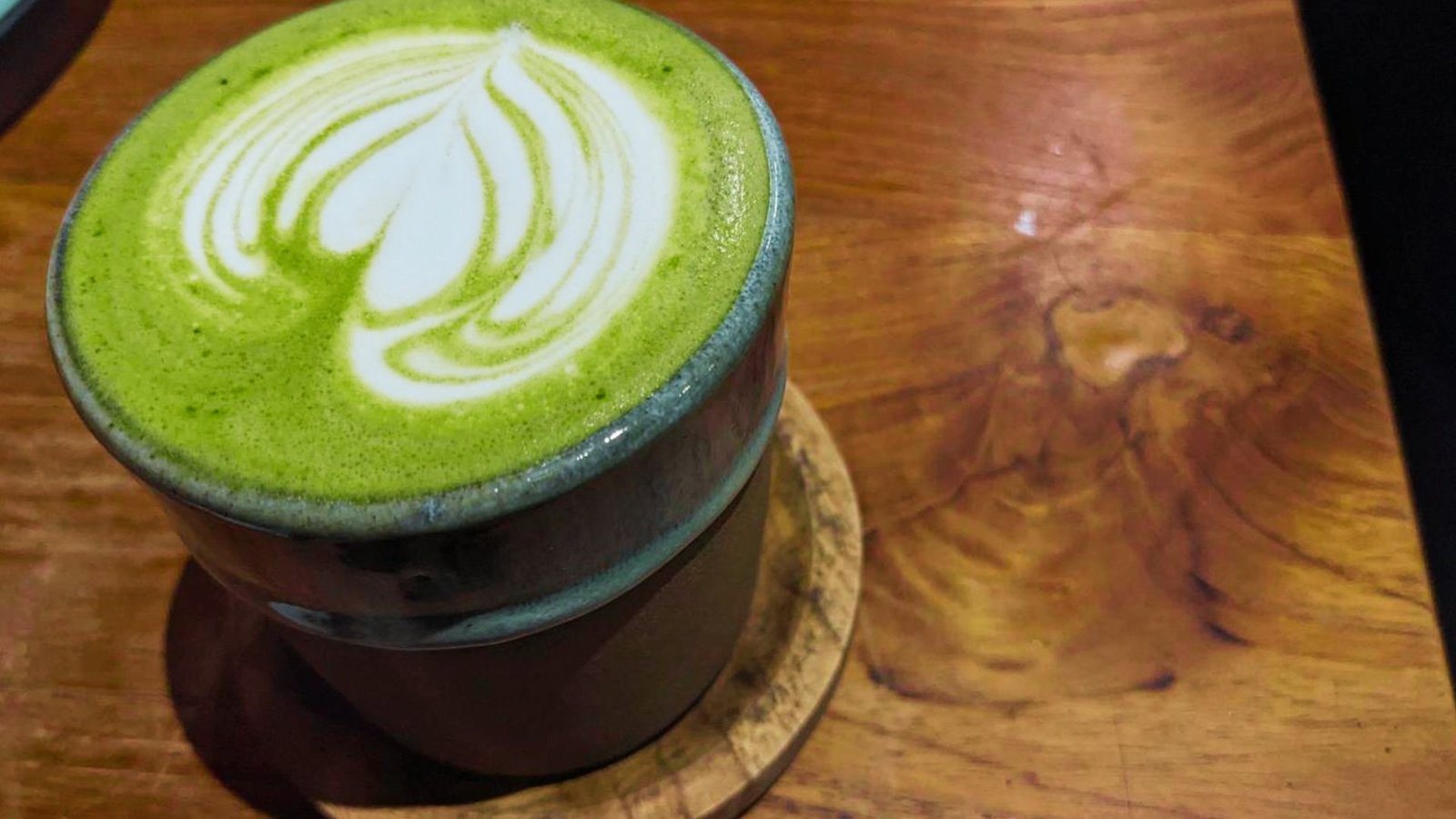
Matcha coffee is exactly what it sounds like. It's a mix of matcha green tea and coffee in one drink.
Some people call it a "dirty matcha latte." Others just call it their new morning habit.
Matcha brings a smooth, earthy flavor. Coffee adds that familiar bitter kick. Together, they balance each other out in a way that's surprisingly good.
The caffeine hit is also more steady. Matcha has L-theanine, which slows how your body absorbs caffeine. So you get energy without the jittery feeling you sometimes get from straight coffee.
It's a real thing. And once you try it, it's hard to go back.
Ingredients Needed for a Matcha Coffee Recipe
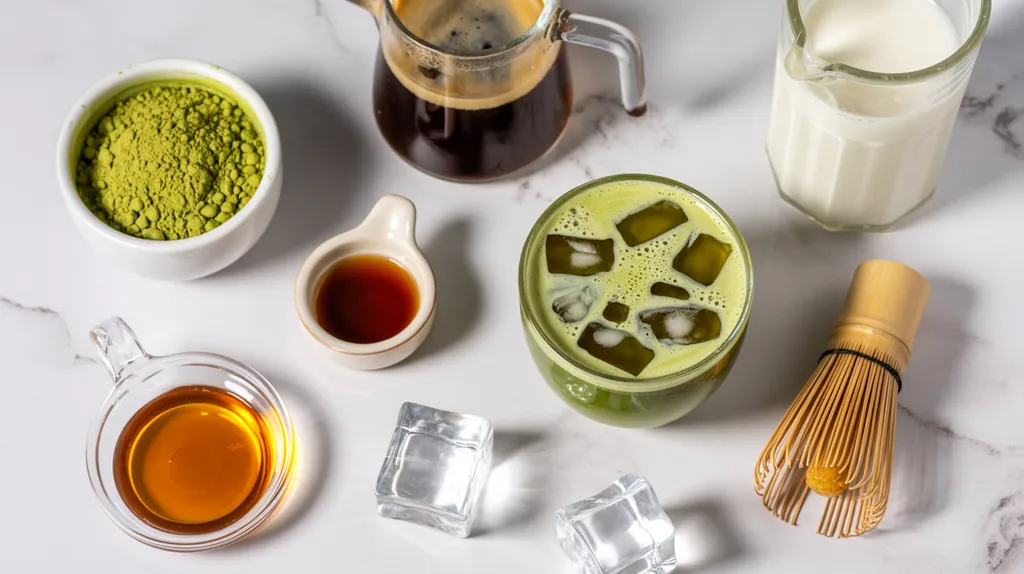
You don't need much.
Here's what I use:
- Matcha powder: Go for ceremonial or culinary grade. Ceremonial is smoother. Culinary works fine for mixed drinks.
- Brewed coffee or espresso: One shot of espresso is my go-to. Strong brewed coffee works too.
- Milk of choice: Oat milk, almond milk, whole milk, whatever you like.
- Sweetener options: Simple syrup, honey, maple syrup, or plain sugar.
- Ice and water: For the iced version, you'll need both.
That's it. Nothing hard to find.
How to Make a Classic Matcha Coffee Recipe
This takes about 5 minutes. Here's the step-by-step.
Step 1: Prepare the Matcha Base
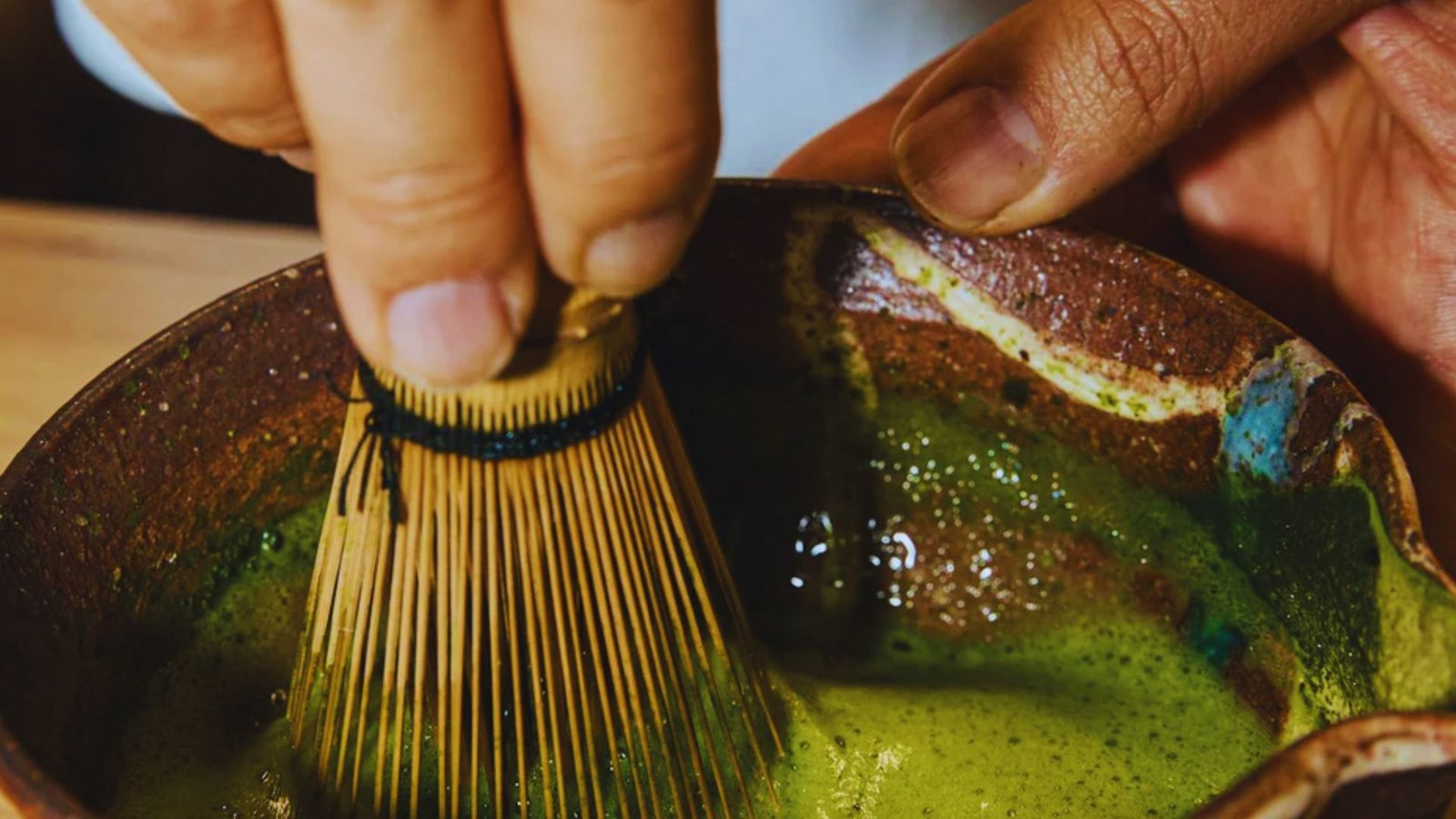
Add 1 teaspoon of matcha powder to a small bowl or cup. Pour in 2 tablespoons of hot water. The water should be around 175°F, not boiling. Boiling water makes matcha bitter.
Whisk it in a zigzag motion until it's smooth and slightly frothy. No clumps.
Step 2: Add Milk and Sweetener
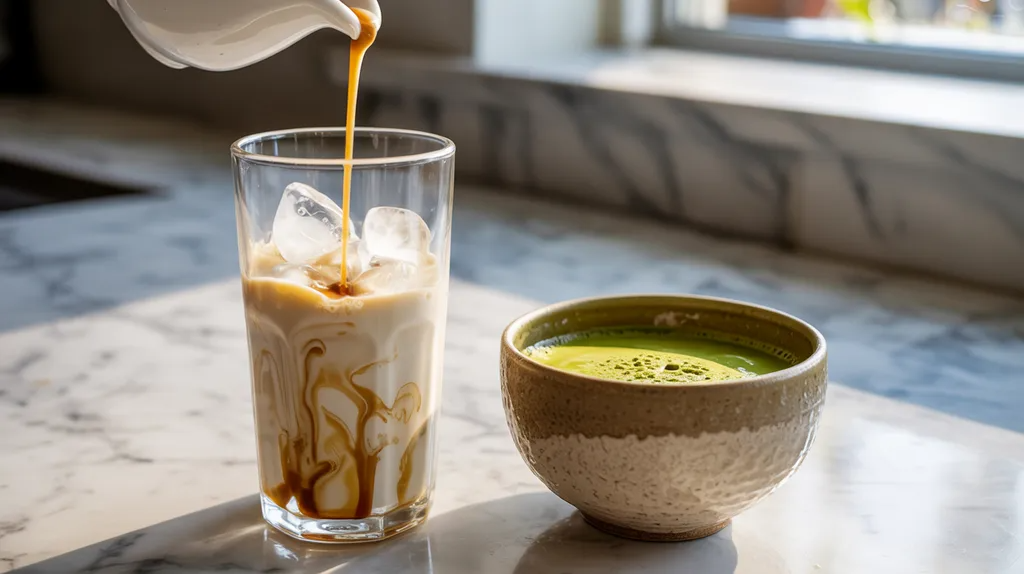
Pour your milk of choice into a glass. About half a cup works well. Add your sweetener here and stir.
If you want it warm, heat the milk before adding it. If you want it iced, use cold milk and skip heating.
Step 3: Pour in Coffee
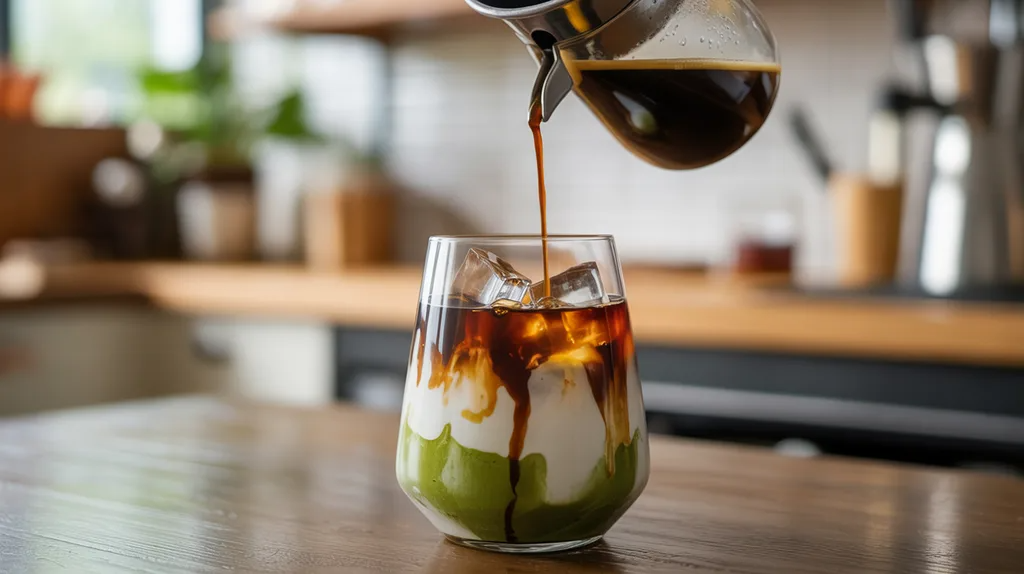
Pull one shot of espresso or pour about 2 to 3 ounces of strong brewed coffee. Let it cool slightly if you're making an iced drink.
Pour the coffee over the milk. Then gently pour the matcha on top. You'll get a layered look. Stir before drinking.
Done. That's your matcha coffee recipe.
Iced Matcha Coffee Recipe
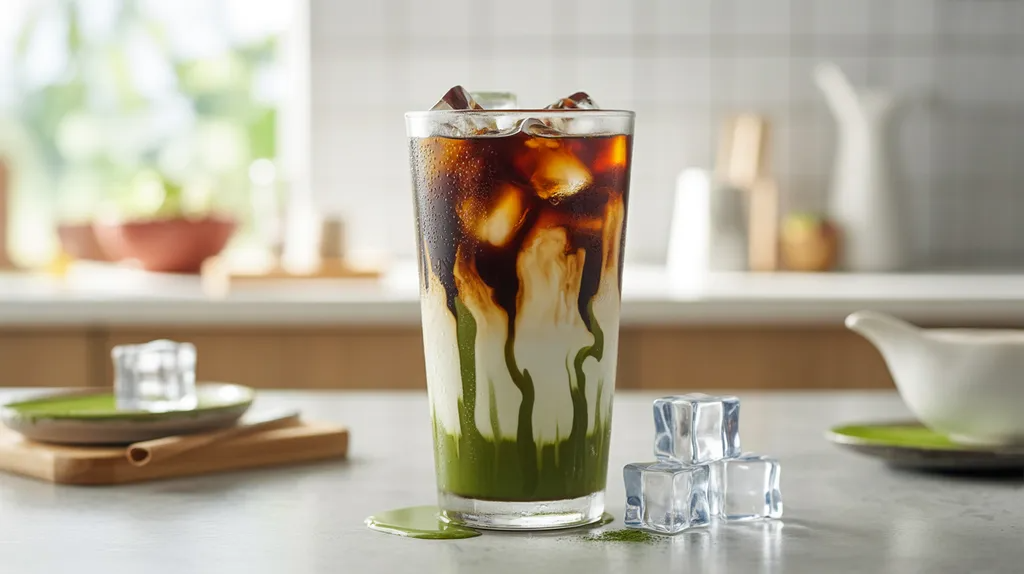
This is the version I make most in summer.
Start with your whisked matcha base. Let it cool for a minute. Fill a tall glass with ice. Pour in cold milk.
Add your sweetener. Then pour the matcha over the ice. Finally, add a shot of cold espresso or cold brew on top.
Stir it up and drink right away. It's cold, smooth, and a little earthy. The layers look great before you mix it.
Dirty Matcha Latte Recipe
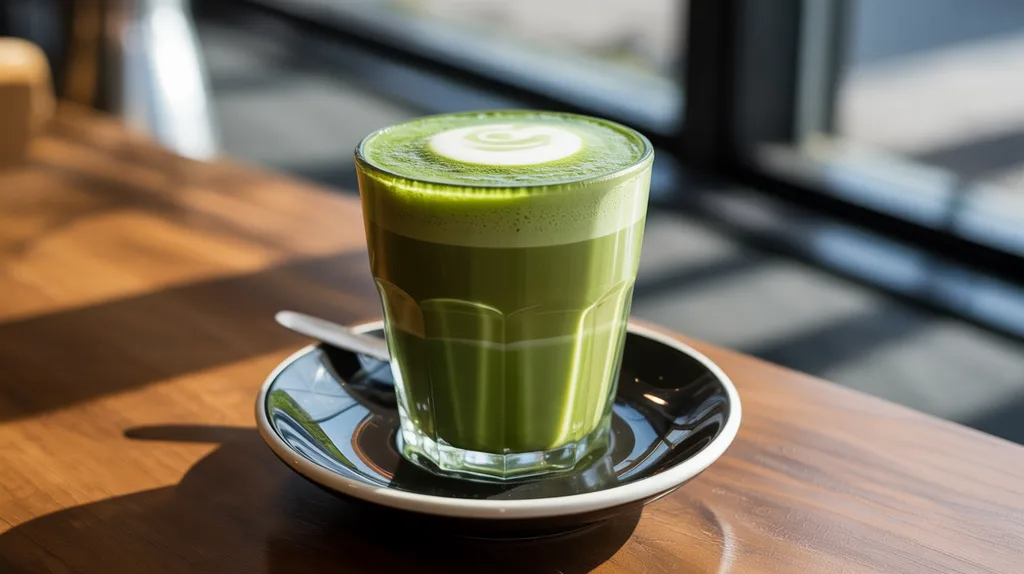
A dirty matcha latte is just a stronger version. More espresso, less milk, same matcha base.
Here's my version:
Use 1.5 teaspoons of matcha powder whisked with 2 tablespoons of hot water. Pour it over steamed or frothed milk. Add two shots of espresso on top instead of one. Sweeten as you like.
The espresso flavor is bolder here. The matcha is still there, but it plays a supporting role. It's a good pick if you want more of a coffee-forward drink.
Best Milk Options for Matcha Coffee
The milk you pick changes the whole drink.
Here's what I've tried:
Oat milk is my favorite. It's creamy, a little sweet, and pairs well with matcha. It also froths well.
Almond milk is lighter. Good for a lower-calorie version. The flavor is mild.
Whole milk gives you the richest texture. Classic and reliable.
Coconut milk adds a tropical note. Works really well with the coconut matcha variation.
Soy milk froths great and has a neutral flavor. A solid option.
Skip fat-free milk if you can. It doesn't add much texture and the drink ends up watery.
Flavor Variations to Try
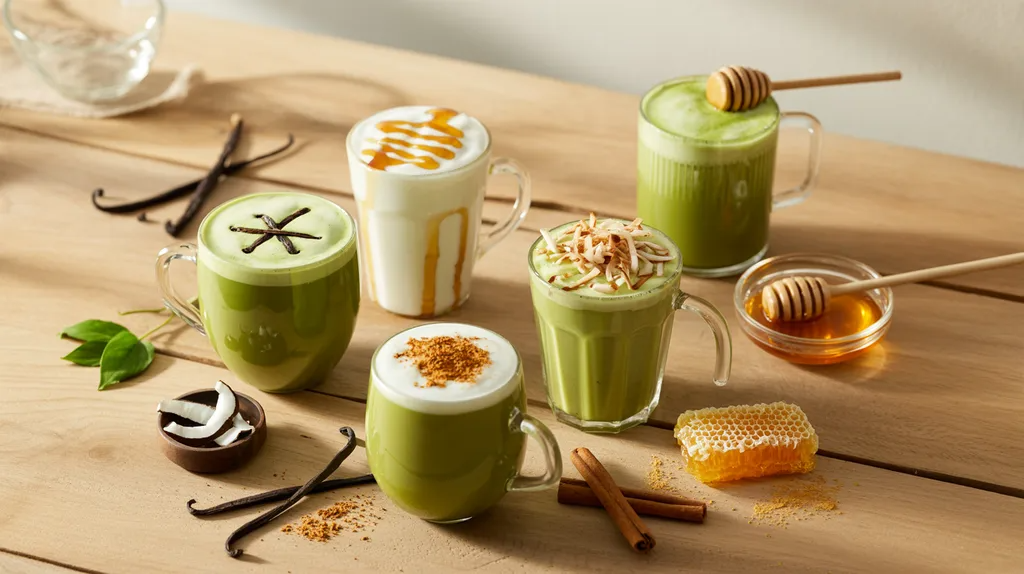
Once you have the base down, playing with flavors is fun.
- Vanilla Matcha Coffee
Add half a teaspoon of vanilla extract to your milk before mixing. It softens the earthy matcha flavor and makes the drink feel warmer.
Good for mornings when you want something comforting.
- Maple Matcha Coffee
Swap your regular sweetener for pure maple syrup. Use about a teaspoon.
It adds a slightly woody, rich sweetness that works really well with earthy matcha. This one is my go-to in the fall.
- Coconut Matcha Coffee
Use coconut milk and add a splash of coconut cream on top.
The coconut and matcha combo is one of those things that just works. Tastes like a tropical version of your morning drink.
- Cinnamon-Spiced Matcha Coffee
Whisk a pinch of cinnamon into your matcha base before adding milk and coffee.
It gives the drink a subtle spice that hits at the end of each sip. Great with oat milk.
- Honey Matcha Coffee
Use raw honey instead of sugar or syrup. Stir it into warm milk so it dissolves fully.
Honey adds a floral sweetness that doesn't overpower the matcha. Simple and very good.
Common Mistakes to Avoid
I've made all of these at some point. Learn from me.
- Using boiling water to whisk matcha. It burns the powder and makes it bitter. Keep the water under 180°F.
- Not whisking enough. Clumpy matcha ruins the texture. Take 30 seconds and whisk it properly.
- Using low-quality matcha. Cheap matcha turns yellow-green and tastes dusty. Spend a little more on a decent bag.
- Adding too much coffee. One shot is usually enough. Two shots can overpower the matcha flavor entirely.
- Skipping the sweetener when you're new to this drink. Matcha and coffee together can taste very bitter at first. Start with a little sweetness and adjust over time.
- Using ice-cold water to whisk matcha. It won't dissolve. Always use warm water for the matcha base, even in iced drinks.
Conclusion
Making a matcha coffee recipe at home is easier than most people think. You need a few basic ingredients, a whisk, and about 5 minutes.
I started making this to save money on cafe drinks, and it turned into something I actually look forward to every morning.
The classic version is great for beginners. The dirty matcha latte is for days when you need a stronger hit.
The iced version is perfect when it's warm out. And the flavor variations keep things interesting so you never get bored with the same drink.
Try one version this week and see how it goes. Which matcha coffee variation are you most excited to make first?
Frequently Asked Questions
Can I use instant matcha powder for this recipe?
Yes, instant matcha works fine for mixed drinks. The flavor won't be as smooth as ceremonial grade, but it gets the job done.
Does matcha coffee have more caffeine than regular coffee?
It depends on how much of each you use. A shot of espresso has around 63mg of caffeine. Matcha adds about 30 to 40mg per teaspoon. Combined, it's a solid but steady energy boost.
Can I make matcha coffee without a whisk?
You can use a small blender or a milk frother. A regular spoon won't break up the clumps well enough, so avoid that if possible.
Is matcha coffee good for weight loss?
Both matcha and coffee have compounds that may support metabolism. But no single drink causes weight loss. It can be part of a healthy routine when made without a lot of added sugar.
How do I store leftover matcha coffee?
Keep it in a sealed jar in the fridge for up to 24 hours. Shake or stir well before drinking since the matcha will settle to the bottom.