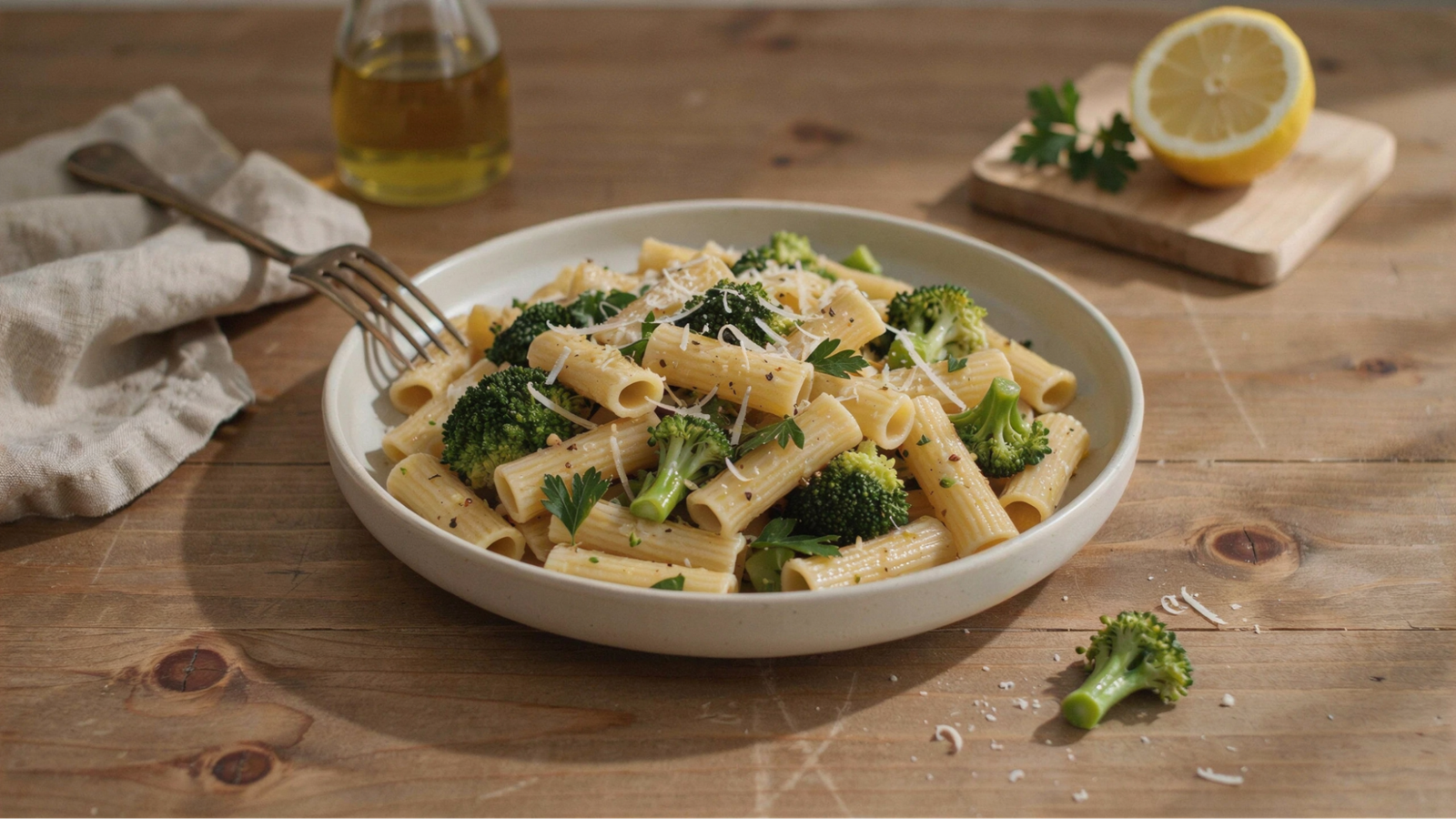
I made this broccoli pasta recipe on a tired Tuesday with almost nothing in my fridge and it turned out to be one of the best meals I had all week.
In this article, I’ll show you how to make it from scratch, covering the right ingredients, how to build the sauce, and tips to get it right every time.
I’ve cooked this more times than I can count, so I’m sharing only what actually works. No guesswork, no complicated steps.
If you want a fast, filling pasta that doesn’t need much effort or a long ingredient list, this is exactly what you’re looking for.
Why This Broccoli Pasta Recipe Works
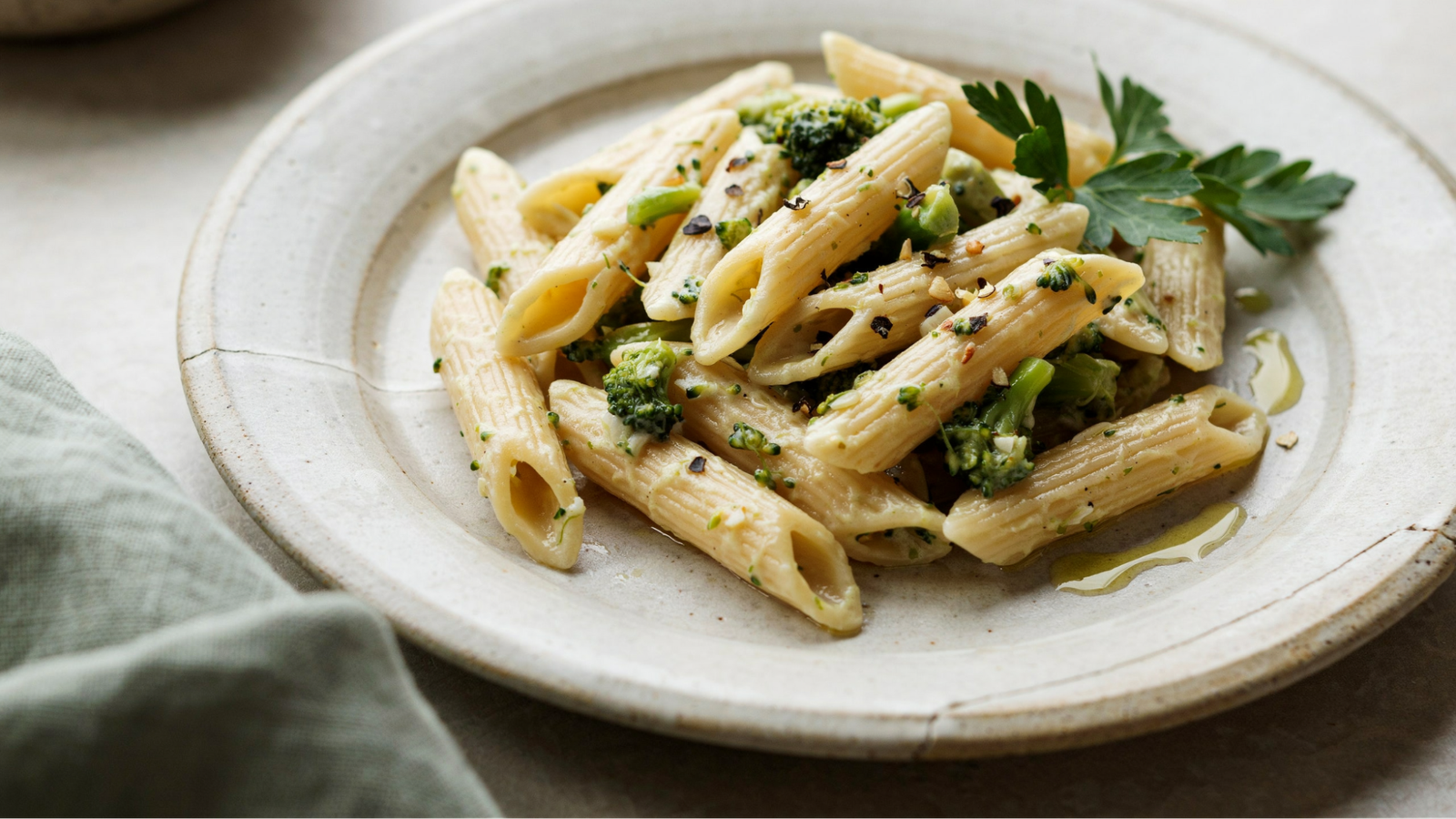
This dish is simple, healthy, and full of flavor and it all comes down to how the ingredients work together. You don’t need a long shopping list.
Garlic, olive oil, broccoli, and pasta do all the work when cooked the right way. It follows a basic Mediterranean approach, olive oil instead of butter, vegetables as the star, no heavy cream.
It’s light but still filling, with fiber, vitamins, and healthy fat in every bowl. The real trick is mashing part of the broccoli into the pasta water.
It becomes a thick sauce that coats every piece, giving you flavor in every single bite.
Ingredients for Broccoli Pasta with Garlic and Olive Oil
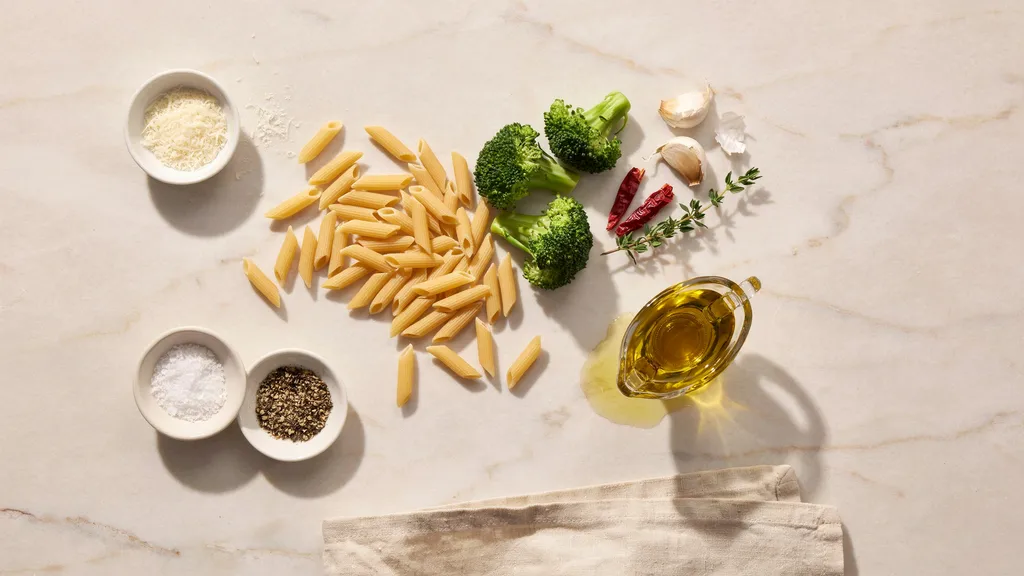
Everything you need is probably already in your kitchen, no fancy items required.
Main Ingredients You Need
- 300g pasta (spaghetti or penne works well)
- 1 large head of broccoli, cut into florets
- 4 garlic cloves, thinly sliced
- 4 tablespoons olive oil
- Salt and black pepper
- Red chili flakes (optional)
- Parmesan for topping
Choosing the Best Pasta Type
Long pasta like spaghetti or linguine works great because the sauce wraps around it easily.
Short pasta like rigatoni or penne also works, the sauce fills the gaps. Avoid thin pasta like angel hair since it can get too soft after mixing.
Optional Add-ins for Extra Taste
- A squeeze of lemon juice for brightness
- Toasted pine nuts for crunch
- Anchovy paste stirred into the oil for depth
- Ricotta dolloped on top for creaminess
How to Make Broccoli Pasta Recipe Step-by-Step
Follow these steps in order and you’ll have a perfect plate ready in under 30 minutes.
Step 1: Preparing and Cutting Broccoli Properly
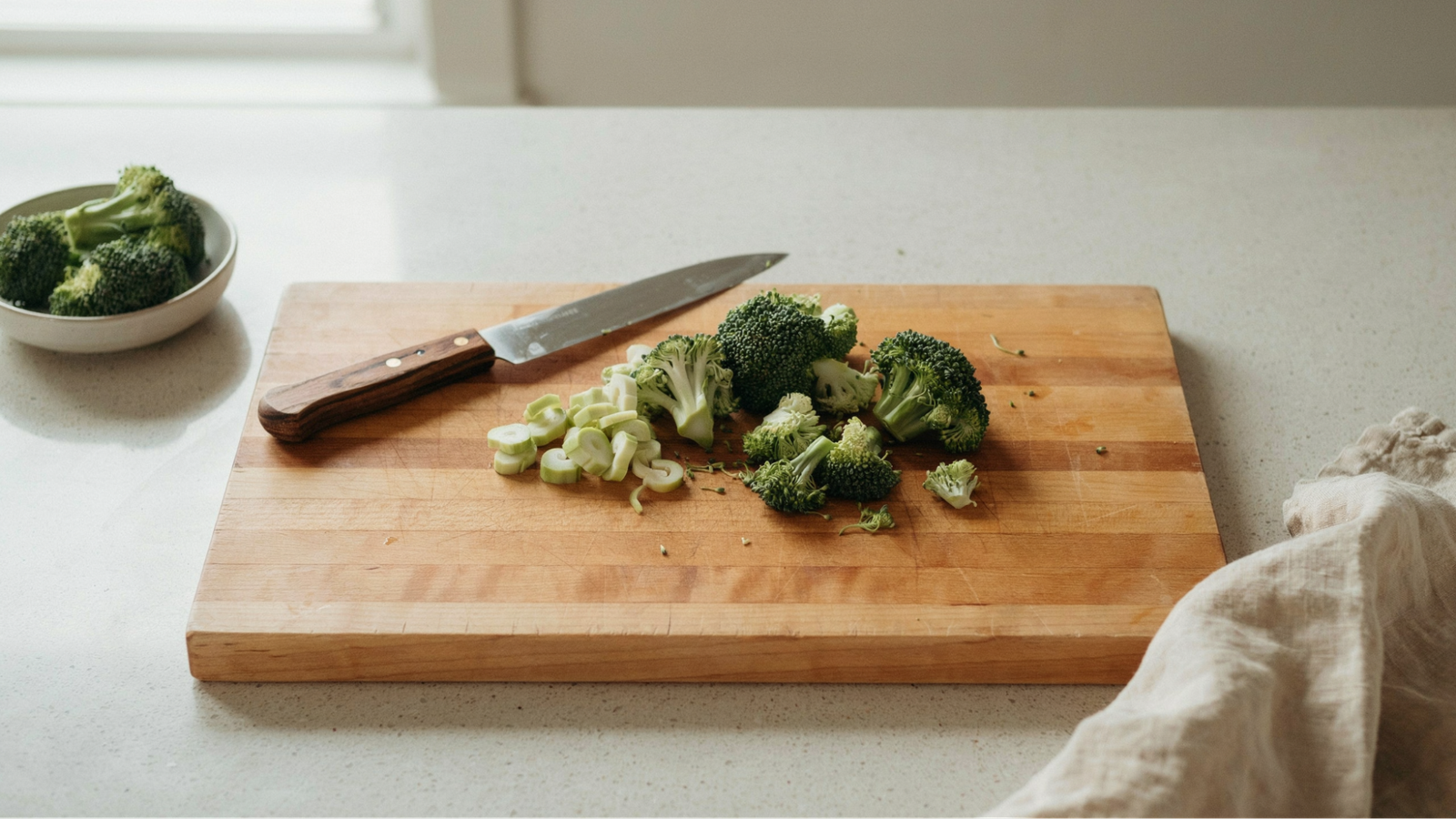
Cut the broccoli into small, even florets. Small pieces cook faster and break down better into the sauce. Don’t throw away the stem, peel it and slice it thin.
It cooks just as well and wastes nothing.
Step 2: Blanching Broccoli for Best Texture
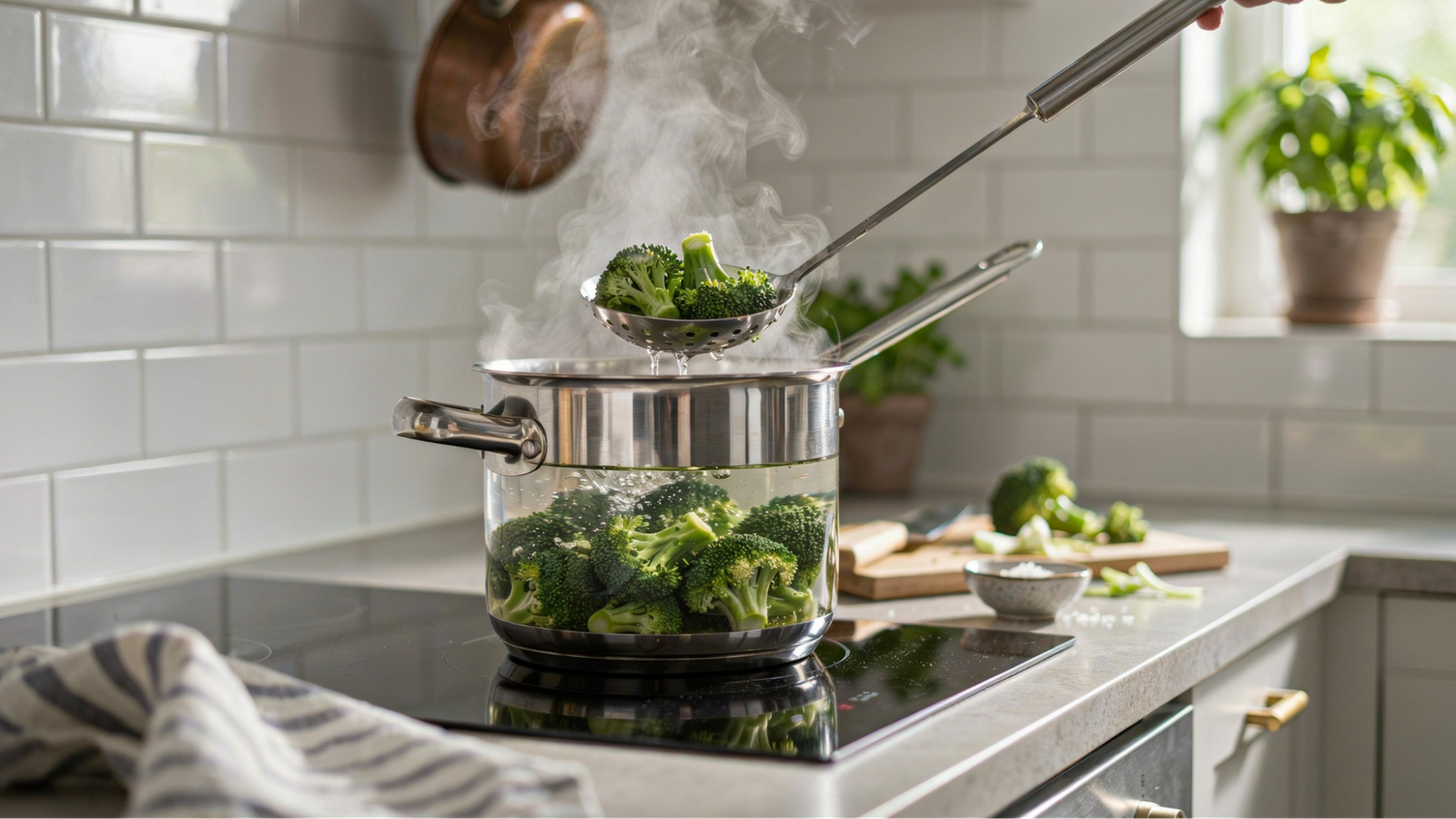
Bring a large pot of salted water to a boil. Add the broccoli and cook for 3 minutes. You want it just soft, not mushy.
Pull it out with a slotted spoon and set it aside. Keep the water you’ll use it to cook the pasta and later to loosen the sauce.
Step 3: Cooking Garlic in Olive Oil Without Burning
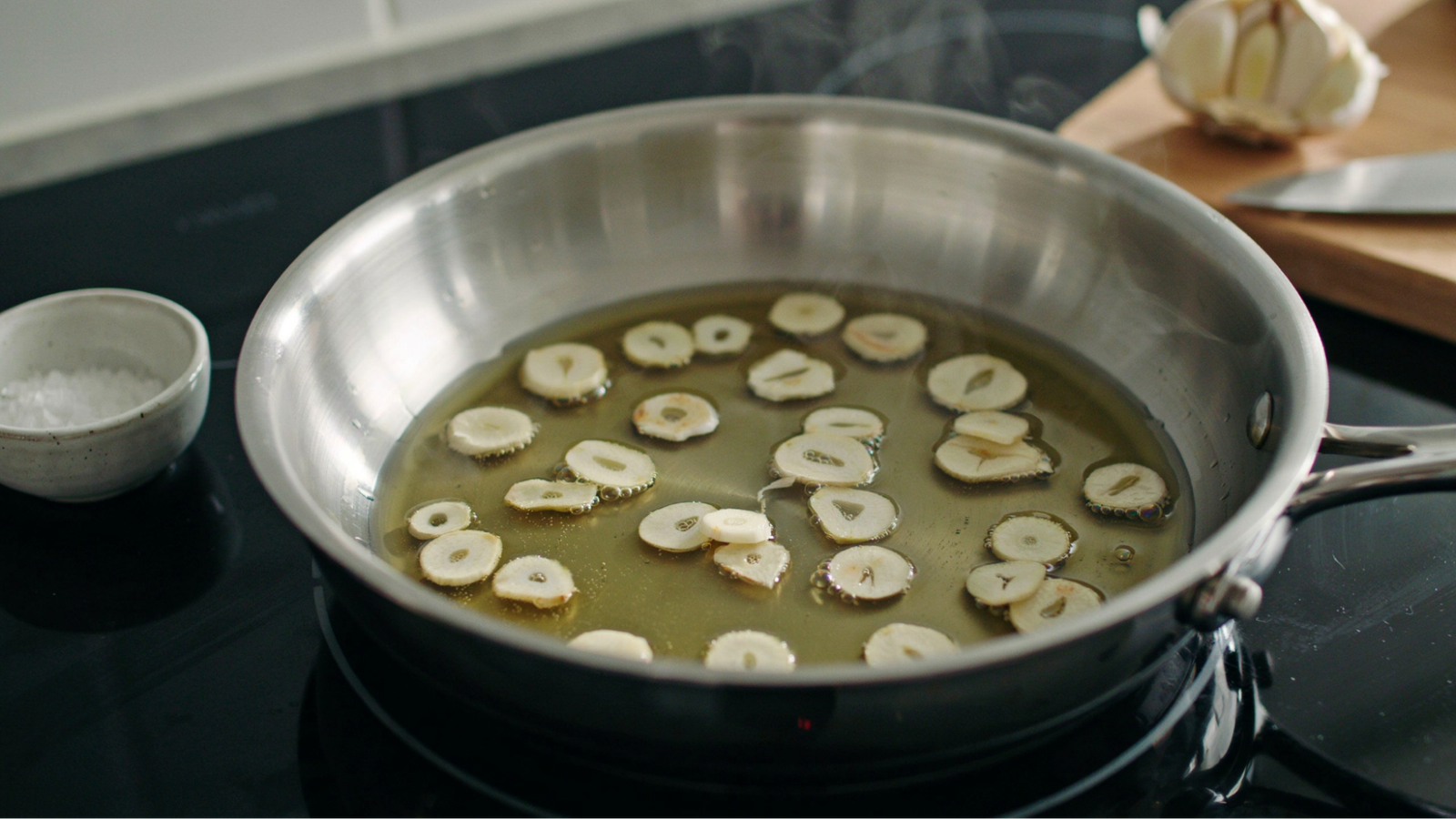
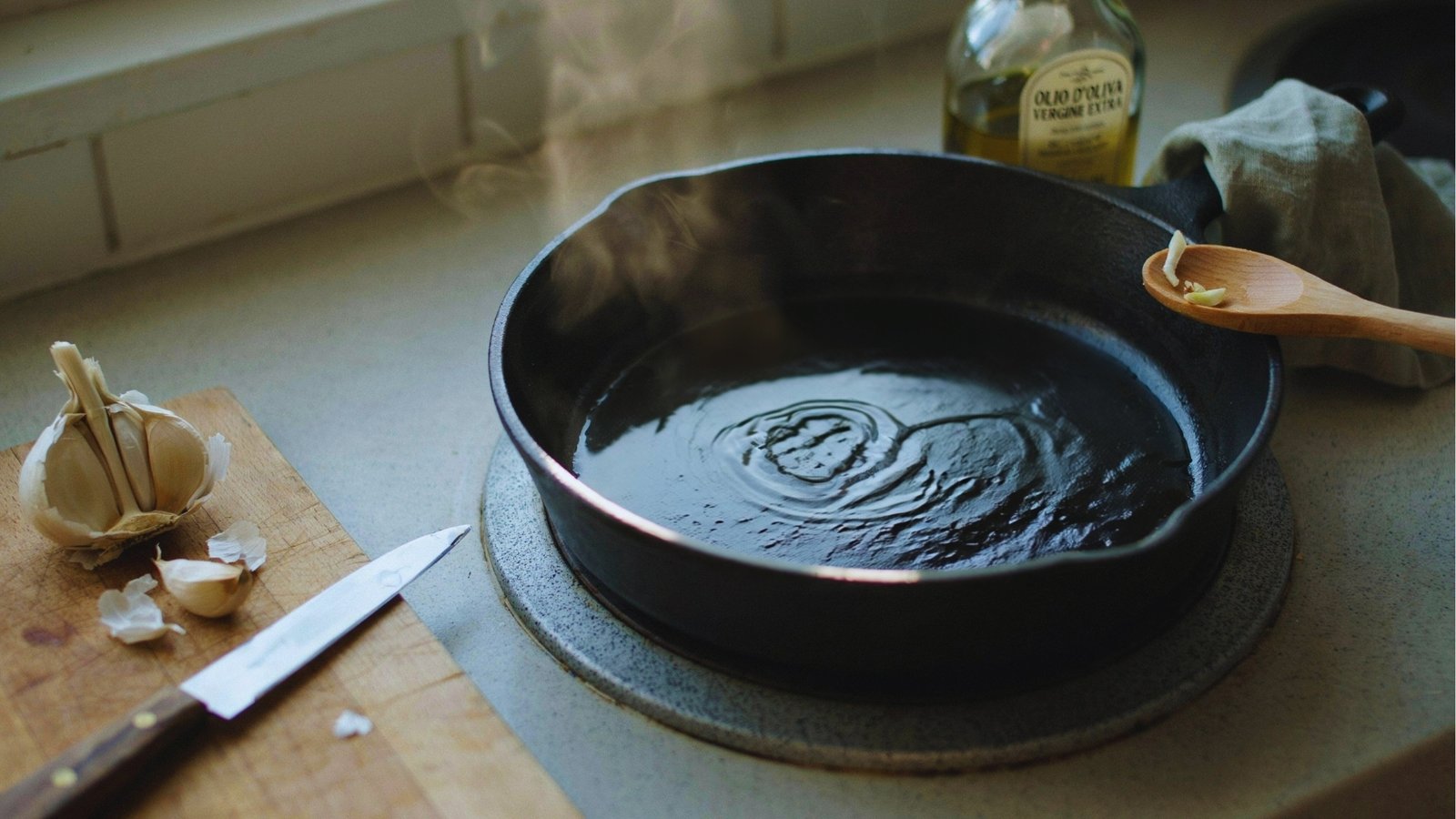
Put a wide pan on medium-low heat. Add olive oil, then the garlic. Cook slowly for 3 to 4 minutes. The garlic should turn light golden, not brown.
Stir often and watch the heat. Burned garlic tastes bitter and will ruin the dish.
Step 4: Creating the Creamy Broccoli Sauce
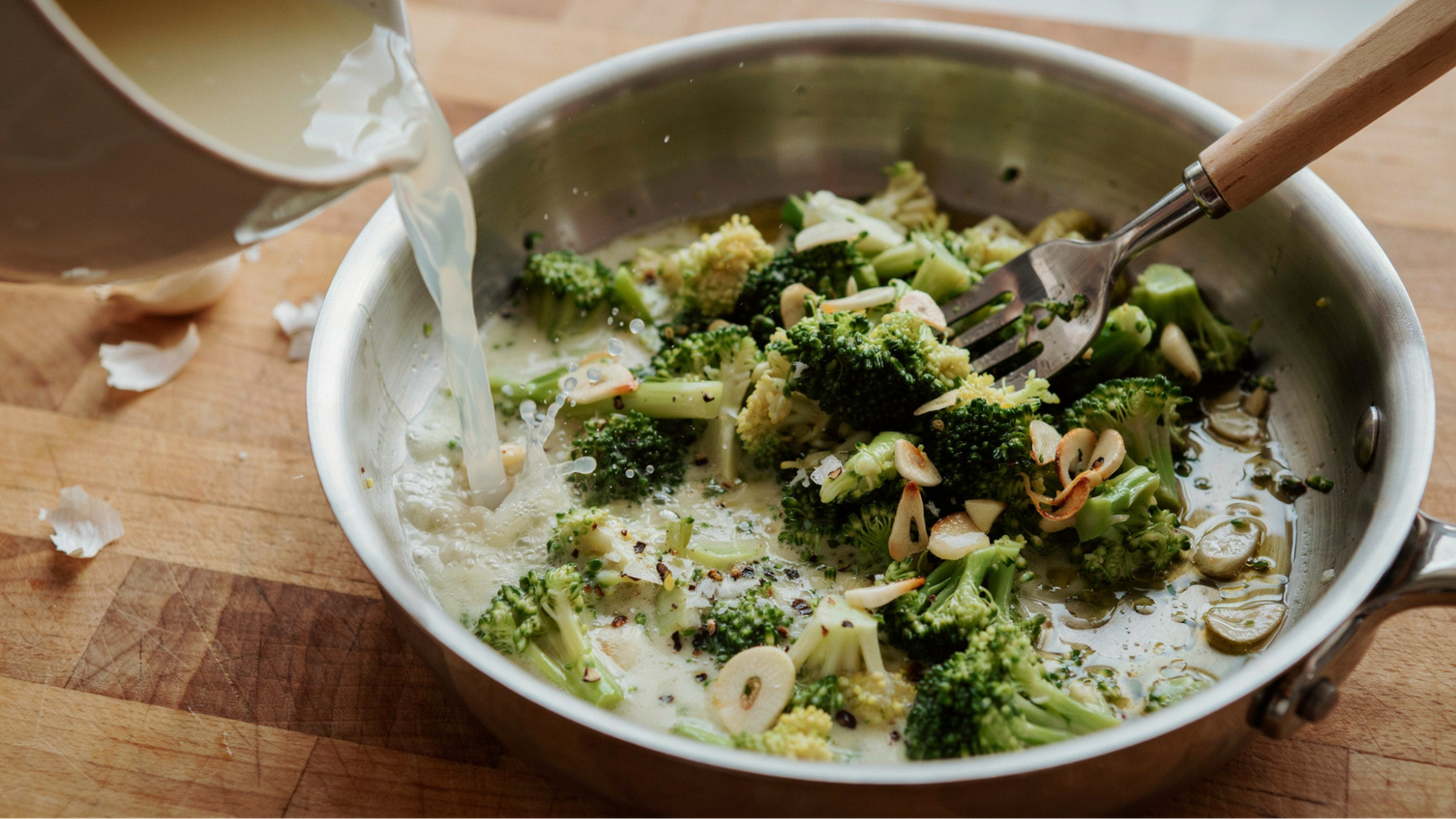
Add the blanched broccoli to the garlic oil. Use a fork or masher to crush about half the florets. Mix it into the oil. Add a ladle of pasta water and stir.
The starchy water helps bind everything together into a loose, silky sauce.
Step 5: Mixing Pasta with Sauce
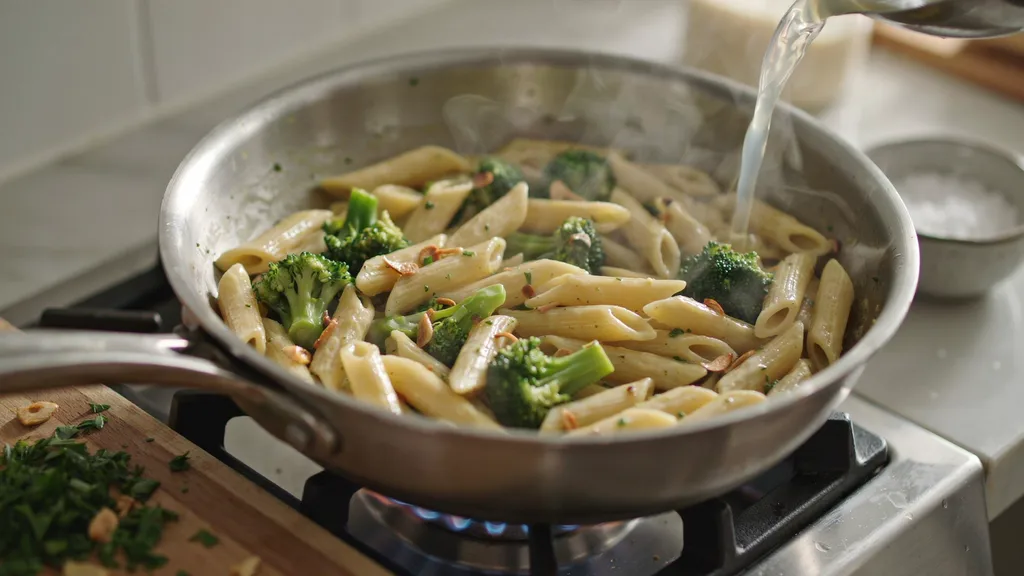
Cook pasta in the same pot of broccoli water. When it’s al dente, drain it but save a cup of the water. Add the pasta to the pan with the broccoli sauce.
Toss well over low heat. Add pasta water little by little until the sauce coats everything.
Cooking for Perfect Results
A few small habits make a big difference in how the final dish tastes and feels.
How to Avoid Bitter Garlic
Always use medium-low heat. Never rush garlic in a hot pan. If you see it turning dark, pull the pan off the heat right away. You can also add a splash of water to stop the cooking.
Getting the Right Sauce Consistency
The sauce should be thick enough to coat the pasta but loose enough to toss. If it looks dry, add pasta water one tablespoon at a time. If it looks watery, cook it on low heat for another minute or two.
Using Pasta Water for Better Texture
Pasta water has starch in it from cooking. That starch acts like a light binder. It helps the sauce stick to the pasta instead of pooling at the bottom of the bowl.
Always save at least one cup before draining.
Flavor Variations You Can Try
Once you know the base recipe, it’s easy to switch things up with a few small changes.
Spicy Broccoli Pasta with Chili Flakes
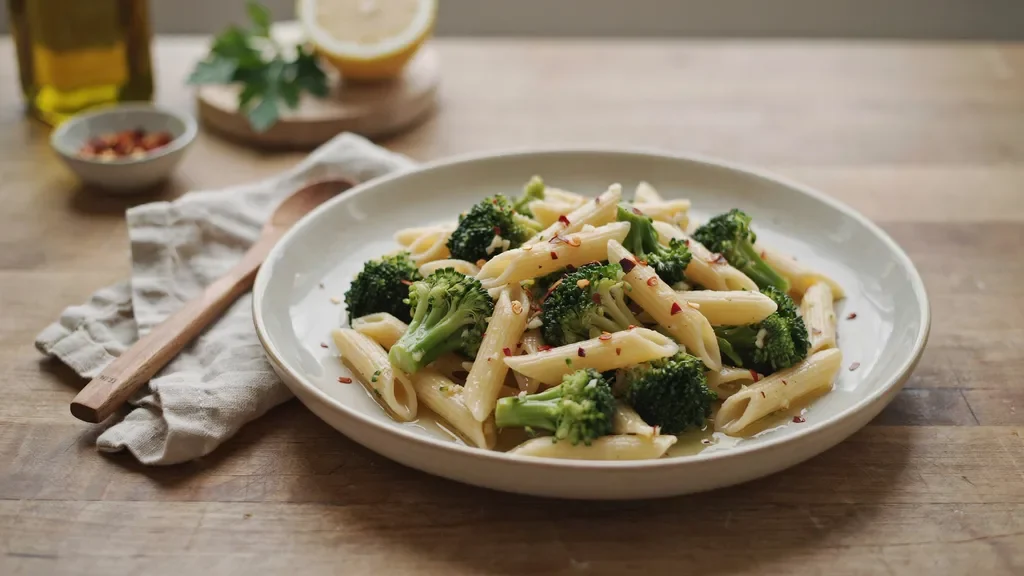
Add a generous pinch of red chili flakes to the garlic while it cooks. The heat blooms in the oil and spreads through the whole dish.
This version is great in colder months when you want something warm.
Cheesy Broccoli Pasta with Parmesan
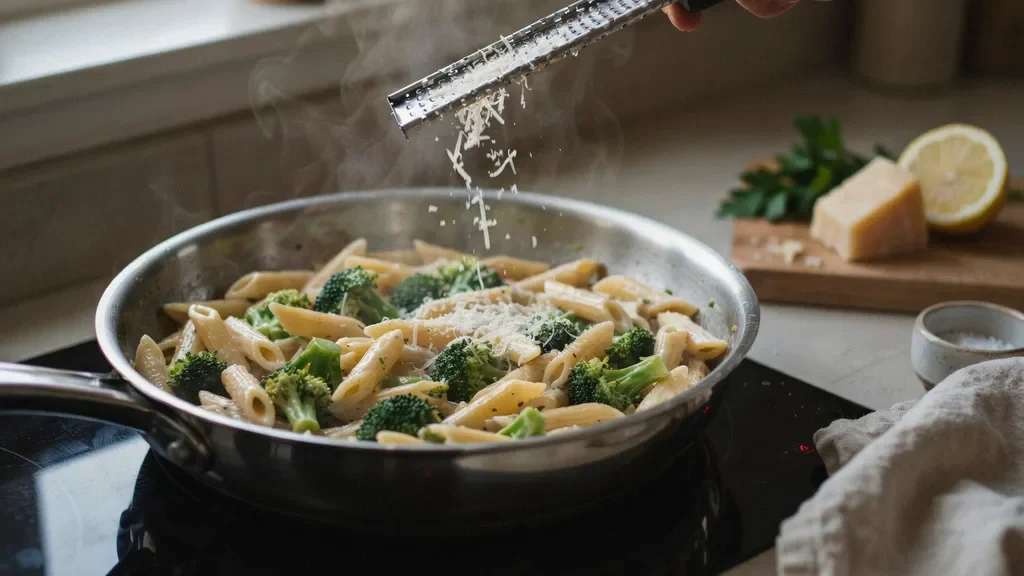
Stir in a large handful of grated Parmesan just before serving. Take the pan off the heat first so the cheese melts slowly.
It thickens the sauce and adds a salty, nutty flavor that makes the dish feel more filling.
Lemon Garlic Broccoli Pasta Twist
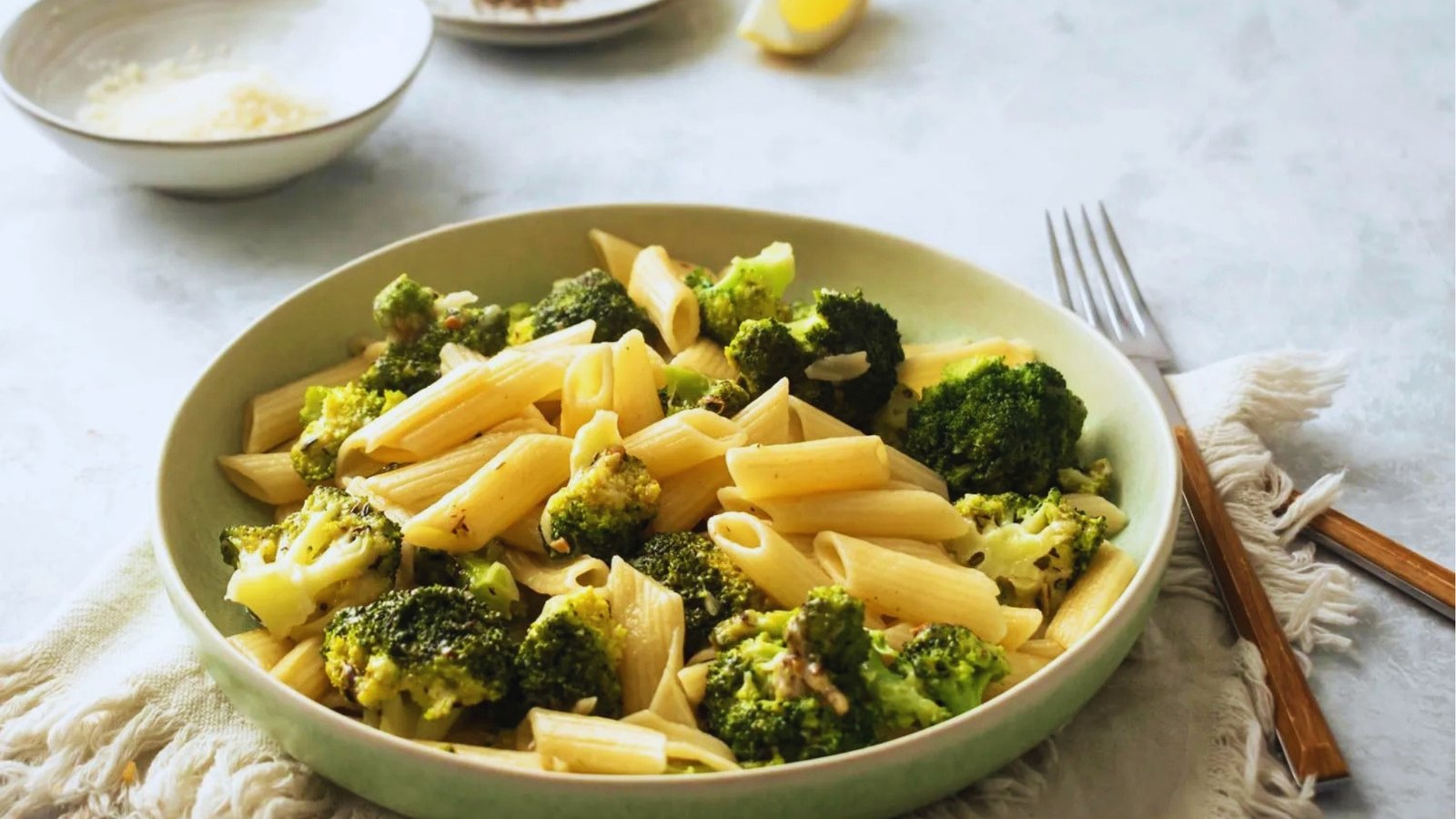
Squeeze half a lemon over the finished pasta and add a little lemon zest. The acid cuts through the oil and brightens every flavor.
This version feels lighter and works well in spring and summer.
Serving Suggestions
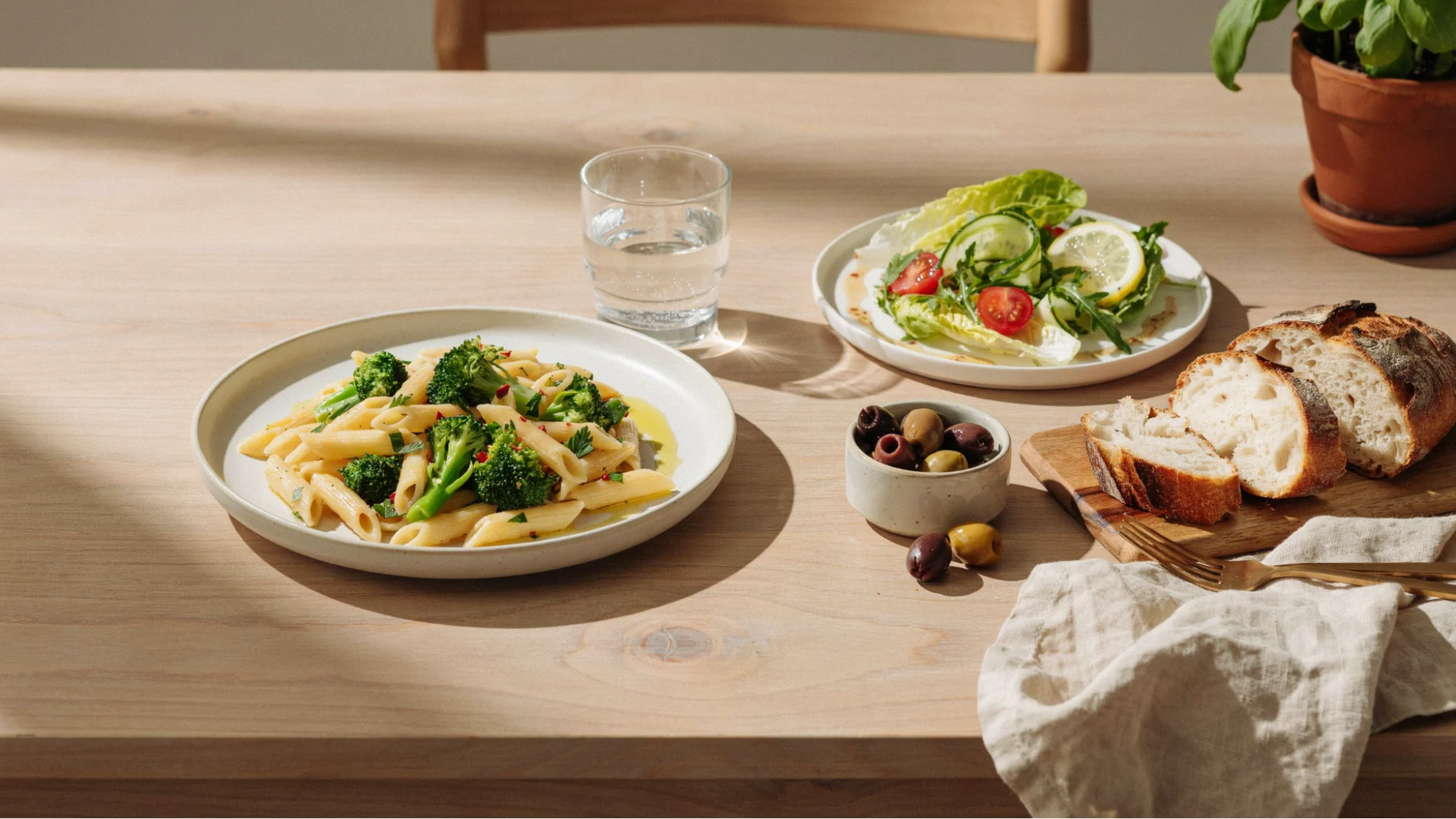
The right pasta shape and a few finishing touches can take this dish from good to great.
Best Pasta Shapes for This Recipe
Spaghetti, linguine, and rigatoni are the top three. They each hold the sauce differently. Long pasta gets coated. Short pasta gets filled. Pick based on what you have or what you enjoy more.
Side Dishes That Pair Well
- A simple green salad with lemon dressing
- Crusty bread to scoop up extra sauce
- Roasted cherry tomatoes on the side
- A bowl of olives and marinated vegetables
Garnishing Ideas for Extra Flavor
Top with fresh parsley, extra Parmesan, a drizzle of good olive oil, and cracked black pepper. If you made the spicy version, add a few extra chili flakes.
These small finishes make the plate look better and taste brighter.
Storage and Reheating Tips
Leftovers keep well and taste just as good the next day if stored and reheated the right way.
- Let the pasta cool fully before putting it in an airtight container in the fridge.
- It stays fresh for up to 3 days. Don’t freeze it as the sauce turns watery.
- To reheat, add the pasta to a pan with a small splash of water or olive oil.
- Heat on low and stir often so it warms evenly without sticking.
- Avoid high heat. It makes the garlic taste sharp and dulls the broccoli color.
Conclusion
I still make this broccoli pasta recipe whenever I need something fast and satisfying. It’s one of those meals that feels like more effort than it actually is.
Try the lemon version if you want something light, or go cheesy if you want comfort food. Both are worth it. If you give this a go, drop a comment and let me know how it turned out.
I’d love to hear which variation you liked best. Share this with someone who needs a good weeknight recipe!
Frequently Asked Questions
Can I use frozen broccoli for this pasta recipe?
Yes, you can. Thaw it first and pat it dry before adding it to the pan. Frozen broccoli is softer, so it breaks down faster into the sauce.
What pasta works best with this broccoli garlic olive oil recipe?
Spaghetti and rigatoni are both great choices. Long pasta gets coated well, while short pasta holds the sauce inside. Use what you have on hand.
How do I stop the garlic from burning while cooking?
Keep the heat at medium-low and stir the garlic often. If it starts turning dark, remove the pan from the heat right away. Slow cooking gives better flavor.
Can I make this broccoli pasta recipe without cheese?
Yes. Skip the Parmesan and add a bit more olive oil and lemon juice instead. It still tastes great and works well as a dairy-free option.
How long does it take to make this recipe from start to finish?
It takes about 25 to 30 minutes total. Blanching broccoli and cooking the pasta happen at the same time, so the steps overlap and save time.