I still remember the first time I tried making a classic pate sablee recipe. The dough crumbled, the shell cracked, and I had no idea why.
It took me several tries to get it right. Now, I want to save you that trouble.
Pate sablee is a traditional French sweet shortcrust pastry. It is rich, crisp, and perfect for tart shells.
In this blog, you will learn the right ingredients and why each one matters. The step-by-step method from mixing to baking.
How to shape and line tart shells cleanly How to fix the most common problems
I have tested this recipe many times and gathered tips from classic French baking techniques. You can trust this guide to get real, working results.
How to Bake the Best Pate Sablee Tart Shells
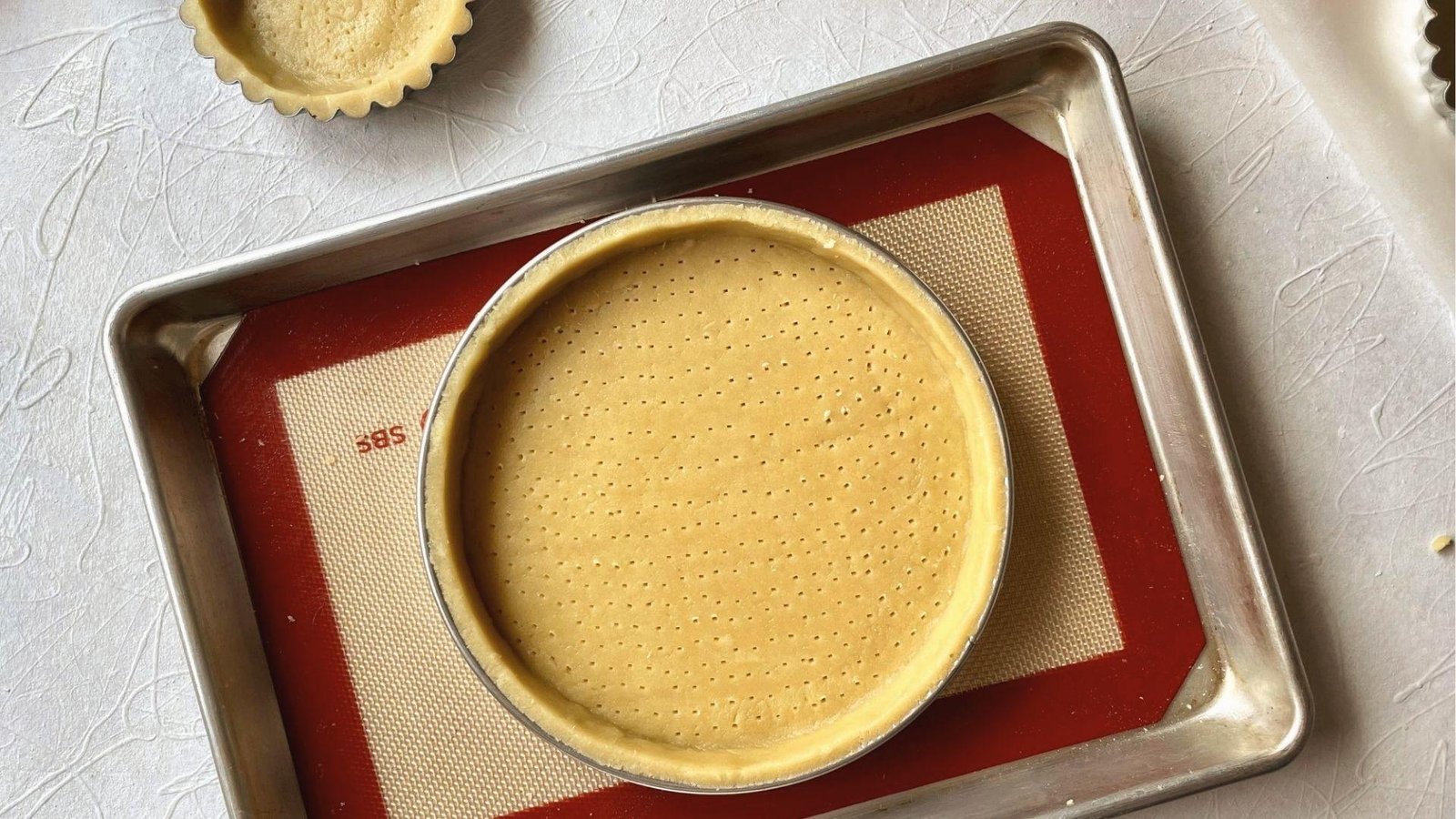
Pate sablee dough comes together by creaming cold butter with powdered sugar, then mixing in egg yolks and flour just until the dough forms.
Chill it for at least one hour before rolling to prevent shrinkage. Roll the dough to about 3mm thickness and press it gently into tart molds without stretching.
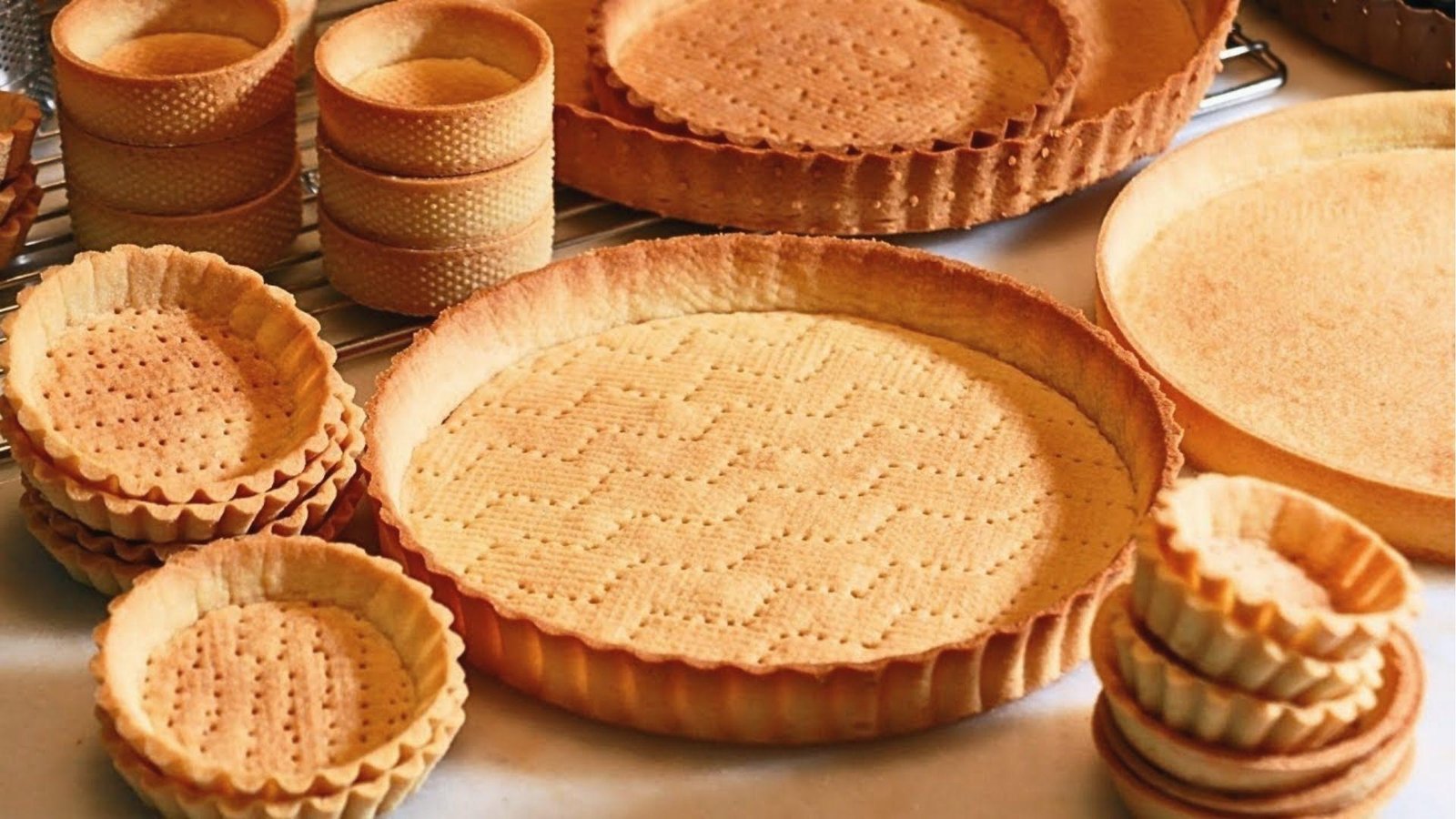
Freeze the lined molds for 20 minutes before blind baking at 325°F with pie weights for 15 minutes, then remove the weights and bake another 10 minutes until pale golden.
Let the shells cool completely in the molds before removing to avoid cracking.
Traditional Pate Sablee Recipe Ingredients You Need
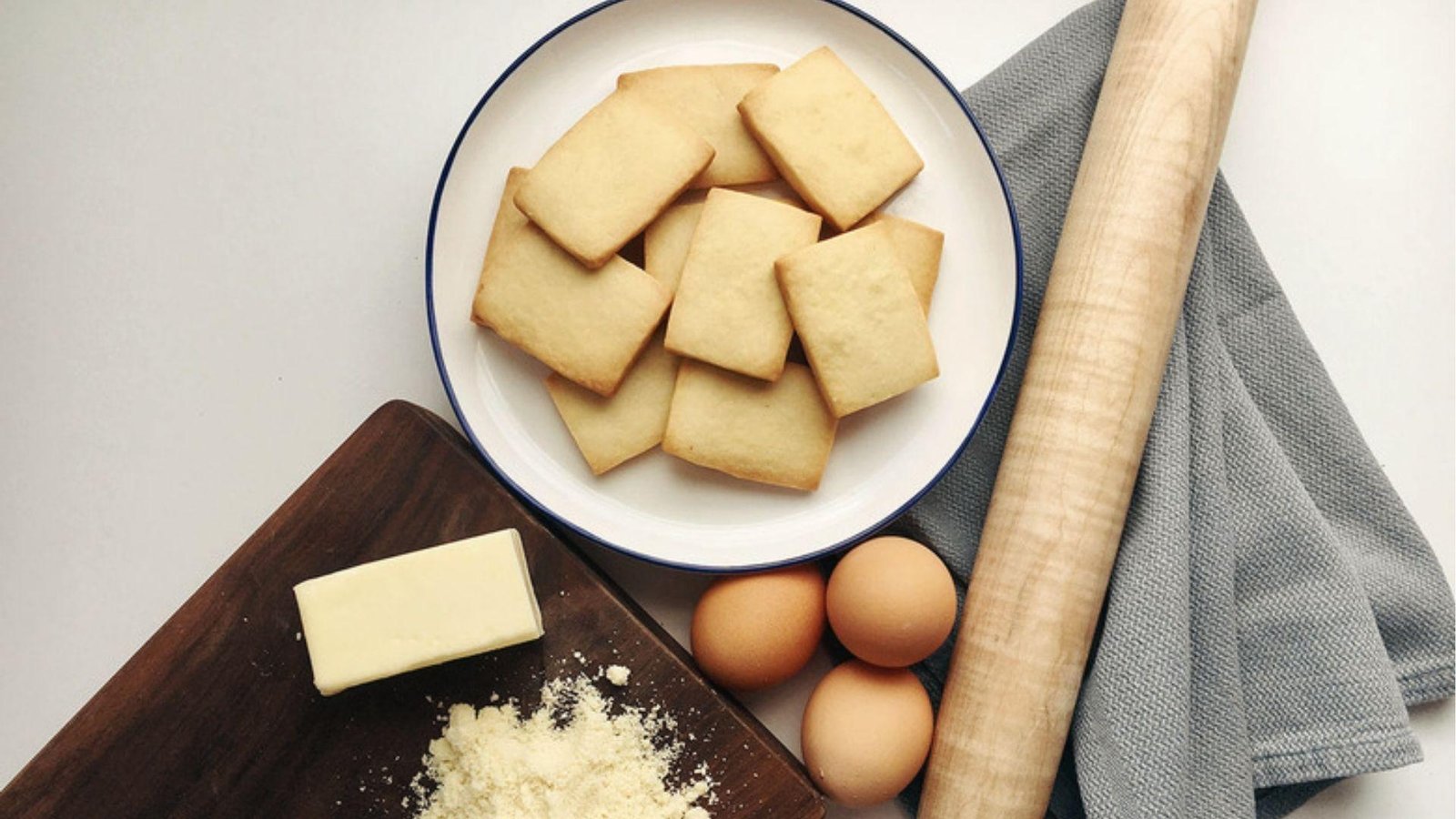
The right ingredients make all the difference between a crumbly mess and a perfect tart shell.
Flour Choice for a Tender Sweet Shortcrust Pastry
Use all-purpose flour with a lower protein content. It keeps the dough soft and tender. Cake flour also works well if you want an even finer crumb. Avoid bread flour because it makes the dough tough.
Why Powdered Sugar Creates a Fine Texture
Powdered sugar dissolves easily into the dough. It gives a smooth, even texture without any graininess.
Granulated sugar does not work the same way. The fine sugar keeps the pastry short and crisp after baking.
Importance of Cold European-Style Butter
Cold butter is key. It creates a flaky, crumbly texture through the sablage method. European-style butter has a higher fat content.
That extra fat adds richness and flavor. Always keep your butter chilled until you are ready to use it.
Egg for Structure, Richness, and Binding
One whole egg or just the yolk helps bind the dough. The egg adds richness and gives the shell its structure after baking.
Using just the yolk makes the pastry even richer and slightly more tender.
Optional Flavor Additions
You can add vanilla extract or vanilla bean paste for a warm flavor. Lemon zest adds brightness.
Almond flour, used to replace a small part of the regular flour, adds a nutty depth. These are optional but worth trying once you master the base recipe.
Salt for Balanced Sweetness
A small pinch of salt is important. It balances the sugar and brings out the butter flavor. Do not skip it, even in a sweet dough.
Step-by-Step Classic Pate Sablee Recipe Method
Follow this method carefully and your dough will come together smoothly every time.
Step: 1 Preparing Ingredients at the Right Temperature
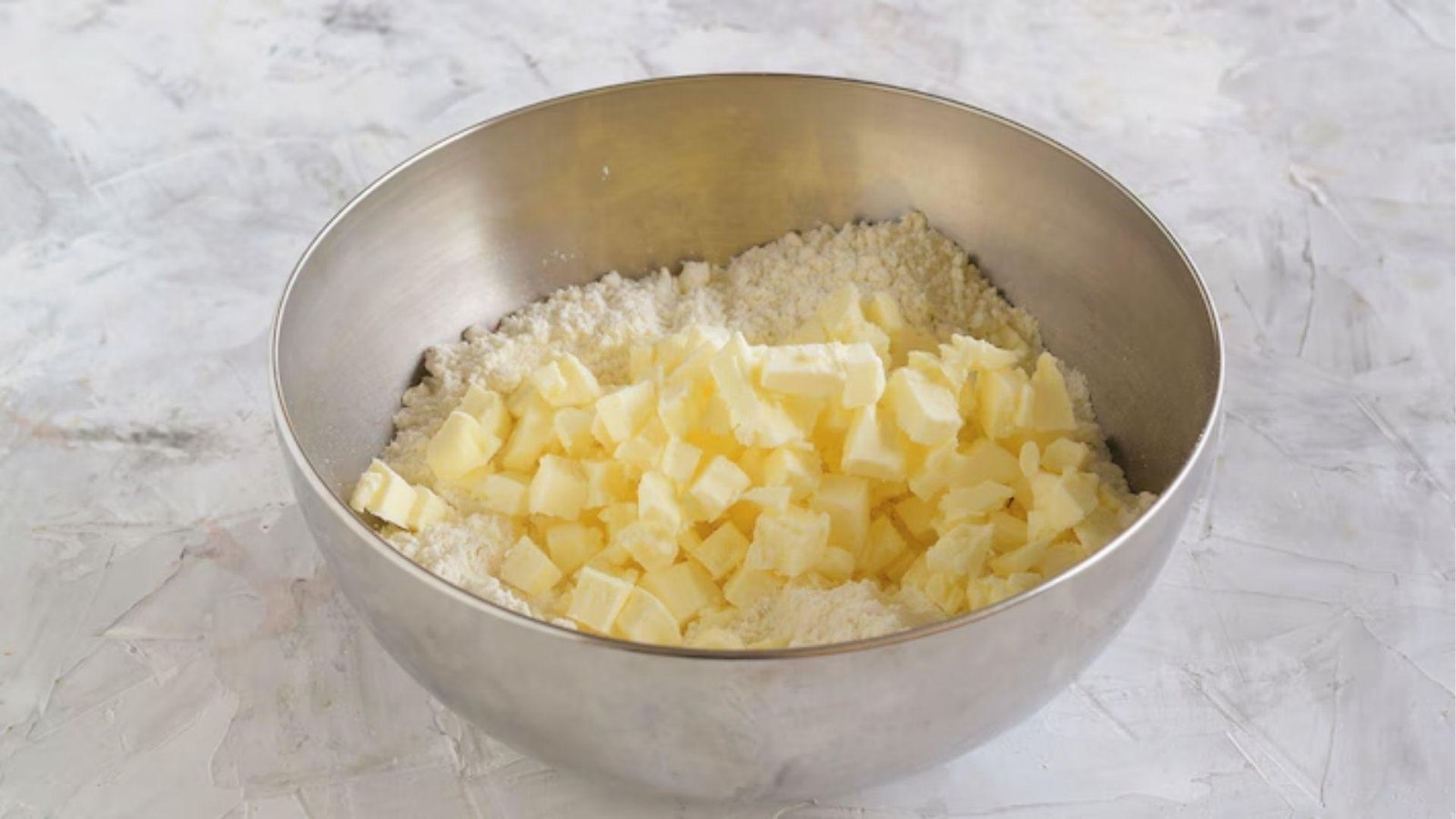
Cold butter is non-negotiable. Keep it in the fridge until the moment you use it. Your egg can be at room temperature.
Set out all your ingredients before you start so the process moves quickly.
Step: 2 Sablage Technique
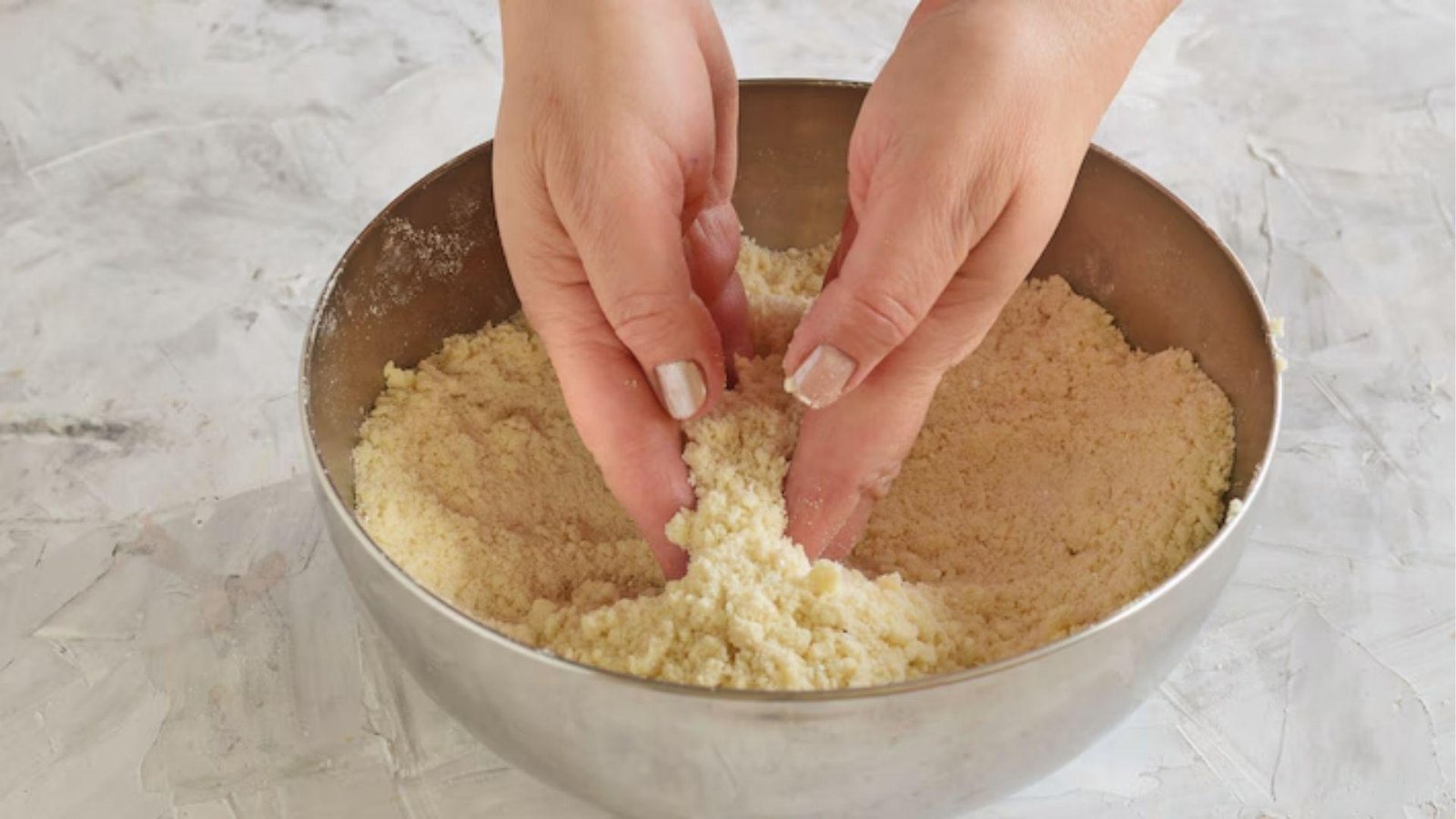
Sablage means "to make sand." You rub cold butter into the flour using your fingertips or a pastry cutter.
The goal is to coat the flour particles in fat. This prevents too much gluten from forming. The result should look like coarse, damp sand. Work fast so the butter stays cold.
Step: 3 Adding Egg and Forming the Dough
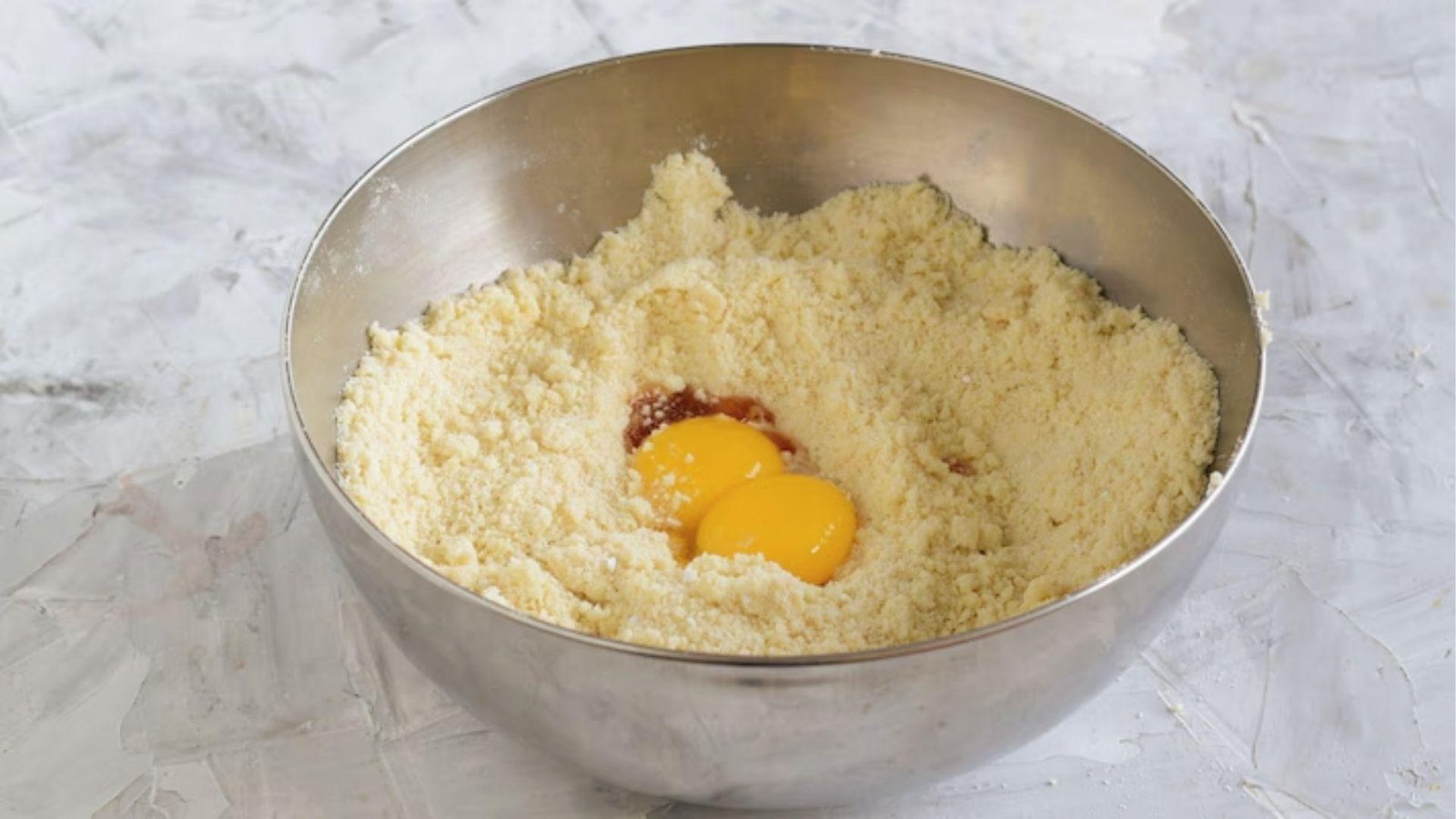
Once the flour and butter look sandy, add your egg or yolk. Mix gently using a fork or your hands. The dough will start to come together.
Do not force it. Let it form slowly and naturally.
Step: 4 Kneading Without Overworking the Pastry
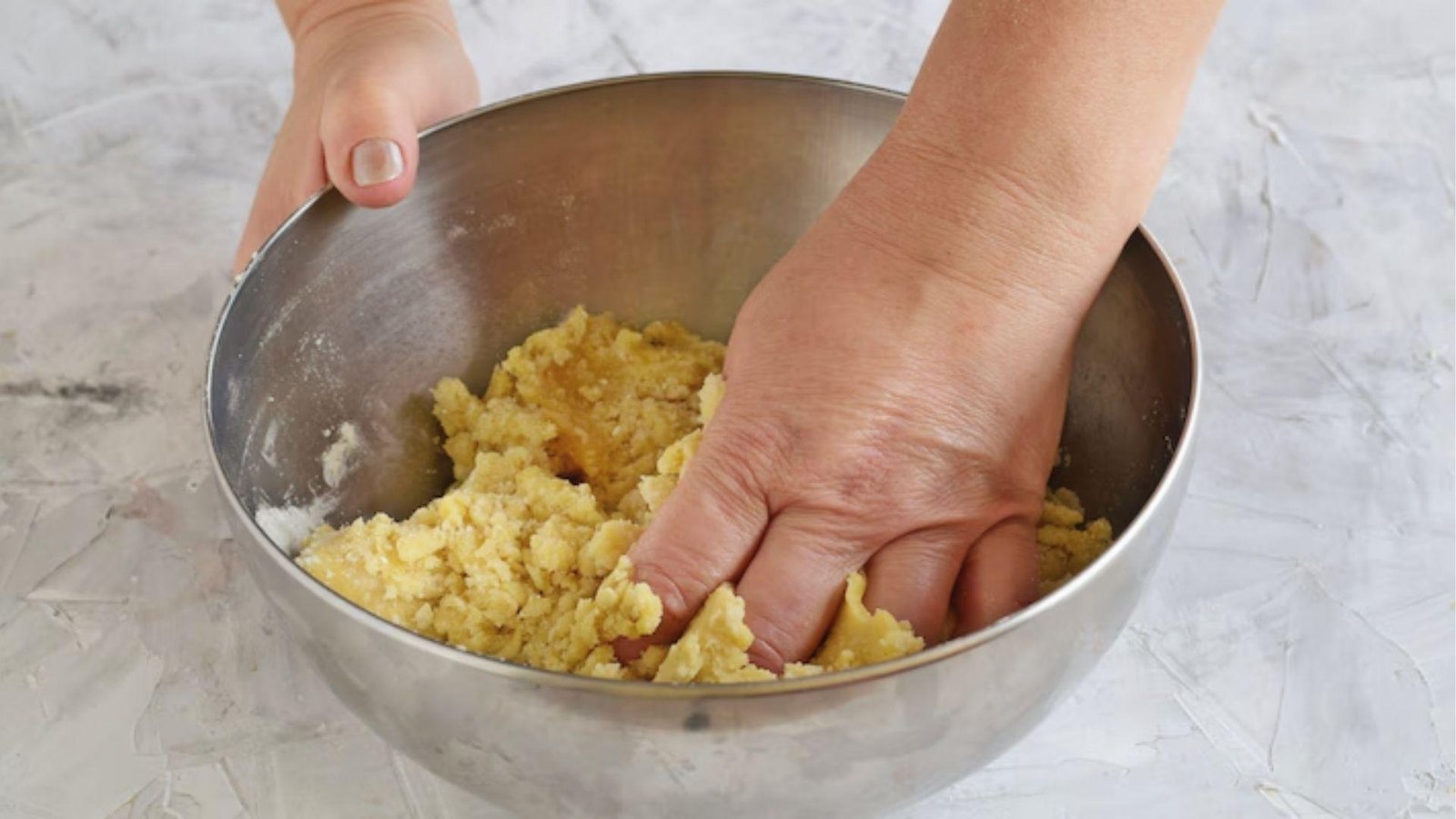
Use the fraisage technique. Push the dough away from you with the palm of your hand in short strokes. Do this two or three times only.
This brings the dough together without developing too much gluten. Overworking makes the pastry tough and chewy.
Step: 5 Resting and Chilling the Dough
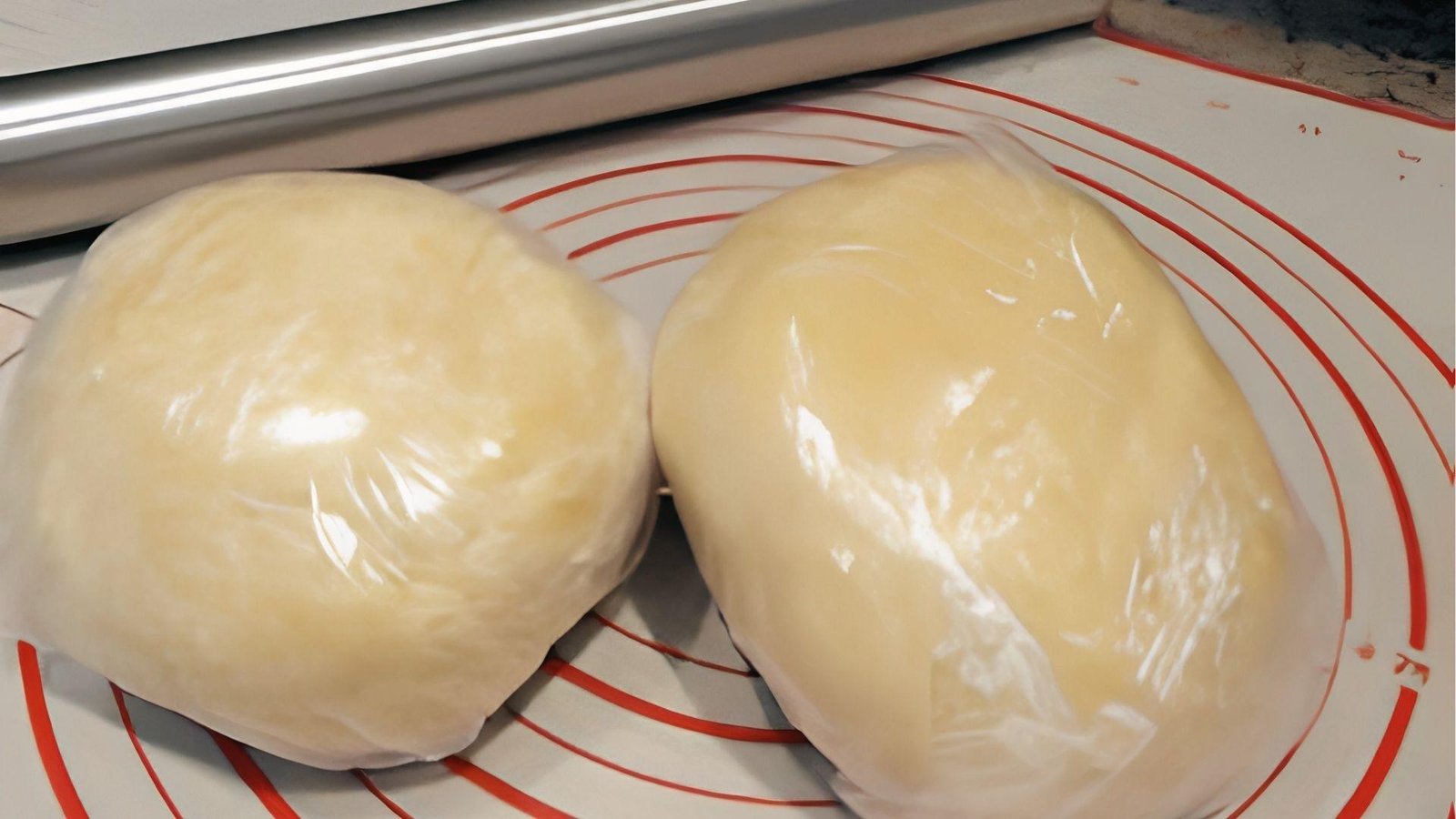
Flatten the dough into a disc and wrap it tightly. Chill it in the fridge for at least one hour.
Overnight is even better. Resting relaxes the gluten and firms up the butter. It also makes rolling much easier.
How to Roll, Shape, and Line Tart Shells
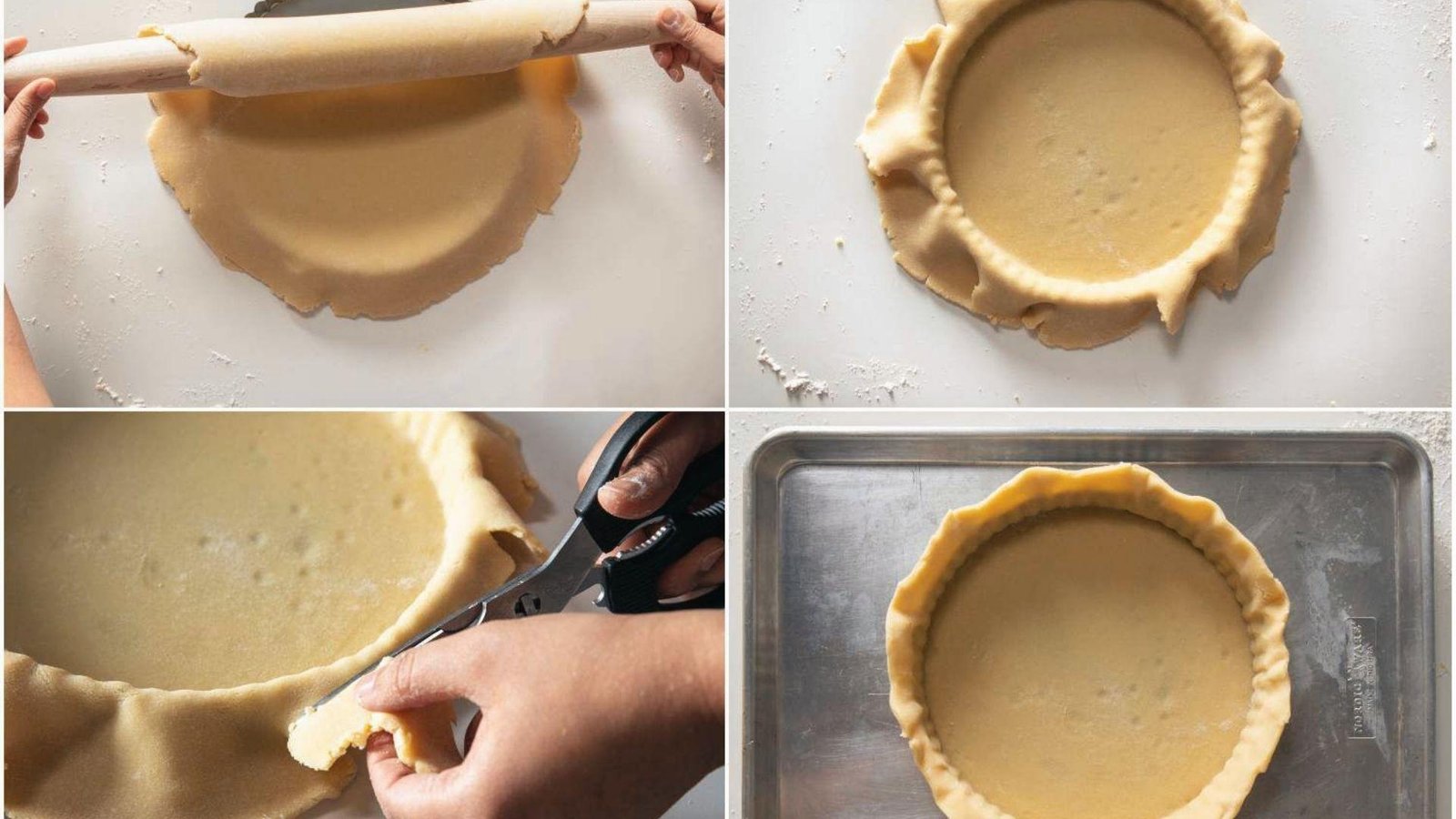
Shaping the dough correctly is just as important as making it well.
Rolling Dough Between Parchment
Place your chilled dough between two sheets of parchment paper. Roll it out to your desired thickness.
This prevents sticking without adding extra flour. Extra flour can make the pastry dry and tough.
Achieving Even Thickness
Aim for about three to four millimeters. Use rolling guides or rubber bands on your rolling pin for even thickness.
Uneven dough bakes unevenly, leaving some parts undercooked and others overdone.
Lining Tart Pans or Tart Rings
Carefully lift the rolled dough and lay it over your tart pan or ring. Gently press it into the sides without stretching.
Stretching causes shrinkage during baking. Trim any excess dough with a sharp knife or by rolling the pin across the top of the ring.
Fixing Cracks or Fragile Dough
If the dough cracks, press it back together with your fingers. Patch small tears with leftover dough scraps.
Cold dough cracks less. If it is cracking too much, let it sit at room temperature for five minutes before continuing.
Preparing Shells for Baking
After lining, put the tart shell back in the fridge for at least thirty minutes. This firms up the butter again. Cold dough holds its shape better in the oven and reduces shrinkage.
Expert Tips for the Best Pate Sablee Recipe
Small habits and smart techniques make a big difference in your final results.
- Always keep your butter and dough cold throughout the process and chill the lined shell before baking
- Rest the dough in the fridge for at least one hour after making it and again after rolling and lining
- Use a kitchen scale to weigh every ingredient as even small differences can change the final texture
- Use perforated tart rings or metal pans with removable bottoms for crispier and easier to unmold shells
- Dock the base with a fork before blind baking and let the shell cool fully before adding any filling
Conclusion
Making a classic pate sablee recipe gets easier every time you do it. I remember feeling frustrated with cracked shells and sticky dough.
But once I understood the why behind each step, everything clicked. Now it feels natural. You will get there too.
Try it once, take notes, and adjust. When your tart shell comes out golden and crisp, you will feel proud.
Share your results in the comments or tag a friend who loves baking. I would love to hear how yours turned out.
Frequently Asked Questions
What is the difference between pate sablee and pate sucree?
Pate sablee has more butter and uses powdered sugar, giving it a crumbly, cookie-like texture. Pate sucree is slightly firmer and more structured, making it better for tarts with heavier fillings.
Can I make pate sablee dough ahead of time?
Yes, you can make the dough up to three days ahead and store it wrapped in the fridge. You can also freeze it for up to one month. Thaw overnight in the fridge before rolling.
Why does my pate sablee shrink during baking?
Shrinkage is caused by stretched dough or skipping the chilling step. Always rest the lined tart shell in the fridge for at least thirty minutes before baking. Never stretch the dough when pressing it into the pan.
Do I always need to blind bake pate sablee?
Not always. For wet fillings or no-bake fillings, blind baking is necessary. For firm fruit fillings or frangipane that bake fully in the oven, you can sometimes skip it. Partial blind baking is a good middle ground.
Can I use salted butter in pate sablee?
Yes, but reduce or skip the added salt in the recipe. Salted butter works fine in a home kitchen. Unsalted butter gives you better control over the flavor and is preferred in professional baking.